


Metabolic Technologies has launched a new website for its MyoeDge product, a combination of vitamin D3 and calcium beta-hydroxy-beta-methylbutyrate (HMB).
Metabolic Technologies has launched a new website for its MyoeDge product, a combination of vitamin D3 and calcium beta-hydroxy-beta-methylbutyrate (HMB).

GNC’s 30-second advertisement was pulled from the Super Bowl because the retailer sells products containing substances banned by the NFL.

That empty space in your chip bag or other product packages? It may serve a purpose, but that might not stop consumers from suing you.

CRN also shares plans for a six-month media outreach campaign to reach its goal of including tens of thousands of finished-product supplement labels in the registry.
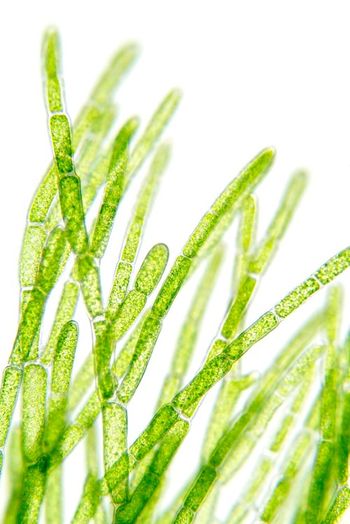
Valensa International has announced an agreement to commercialize Algal Scientific Corporation’s PureAlgal branded ingredients on the U.S. immune-health market.

Innova Market Insights reports that fruit-based snacks are now the number-three subcategory within snacks overall when it comes to new product development.
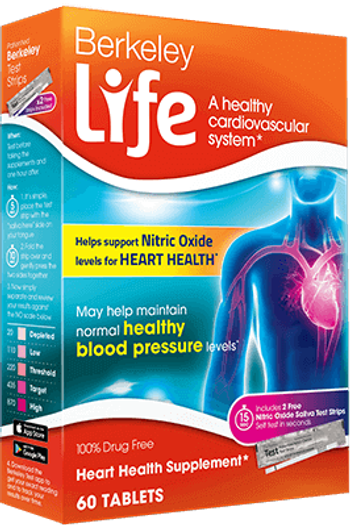
The supplement is packaged with test strips that enable consumers to asses their own nitric oxide levels before and after using the supplement.

The company’s wholly owned subsidiary, Ross Wuxi Equipment, has moved to a 250,000-sq-ft facility in Wuxi, China.

The joint venture will initially focus on producing ingredients from the larvae of the Black Soldier Fly, but plans to diversify into mealworms as well.

Prebiotic insiders insist that the category could take off in the next few years as more consumers begin embracing the health benefits of prebiotics.

As calcium sales continue to slip and magnesium sales continue to rise, at least one expert believes the day will come when magnesium overtakes calcium as the bestselling standalone mineral supplement.

Of all the ingredients at risk of adulteration in 2017, ginkgo is perhaps one of the most vulnerable.

According to OmniActive, Everstone’s funding made it possible for OmniActive to acquire an 85% stake in Bangalore, India–based botanical extracts supplier Indfrag Ltd.

In 2017, probiotic-industry leaders are taking steps to protect their market position by ensuring that bad actors aren’t misleading consumers with mislabeled products.
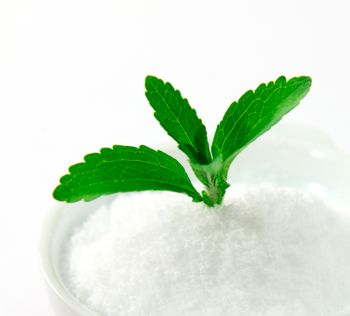
According to Evolva, however, any plans for EverSweet are still contingent upon ongoing negotiations between Evolva and Cargill, which Evolva said it hopes to complete by the spring of this year.

The facility is being used to implement Benexia’s patented MicroTech milling technology, which the company uses to produce ultra-fine, ultra-dispersible chia powders.

Sirio specializes in delivery forms such as softgels, capsules, tablets, powders, gummies, and liquids.

SSCI’s founding members are GNC, Walmart, Vitamin Shoppe, and Whole Foods.

“Energy” has now moved ahead as the number-two reason why Americans who use dietary supplements say they take supplements in the first place, so it’s not surprising to see sales of vitamin B12 growing in all retail channels.

Also yesterday, more 130 U.S. food and agriculture industry representatives sent a letter to President Trump specifically asking the President to protect the opportunities of NAFTA.

Adaptogenic herbs like ashwagandha are making waves in supplement products for stress relief with support from recent research.

The brand has debuted an improved grade of its K-Real krill oil that it says is free of both trimethylamine (TMA) and trimethylamine-oxide (TMAO).

Strong sales growth and promising research make boswellia and turmeric two of the most promising Ayurvedic herbs to watch this year.

Tensions between dairy proteins and plant proteins are heating up, but which category stands to gain the most in 2017?

Solix Algredients recently announced that its astaxanthin extract has been awarded an “Approved Quality” seal cetification from ConsumerLab.com.

As Donald Trump is sworn in as President of the United States next week, Nutritional Outlook asks industry experts how his presidency could change the face of dietary-supplement contract manufacturing.
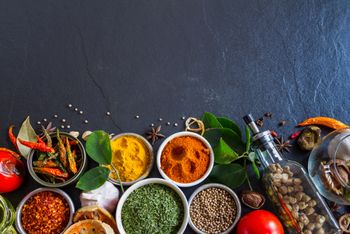
Experts predict 2017’s hottest flavors.

From the stellar growth of boswellia and branched-chain amino acids, to declining sales of whey protein and valerian, here are the supplement ingredients that surprised market experts from SPINS this year.

Ingredion will become the exclusive global distributor of SeeGen’s stevia-based sweeteners starting in February.

Kancor’s OxiKan CLS, a rosemary extract designed to extend shelf life in beverages, recently won a World Beverage Innovation Award at BrauBeviale 2016.