

GNC was in the hot seat with justice officials after it sold products by USPLabs, a supplement manufacturer indicted in a federal sweep last year for illegally selling misbranded products as dietary supplements.
GNC was in the hot seat with justice officials after it sold products by USPLabs, a supplement manufacturer indicted in a federal sweep last year for illegally selling misbranded products as dietary supplements.

The move is meant to improve transparency, but it may also increase the potential for public misinterpretation of adverse event data.

The trade association is stepping up with a new tool to reset the conversation on industry transparency.
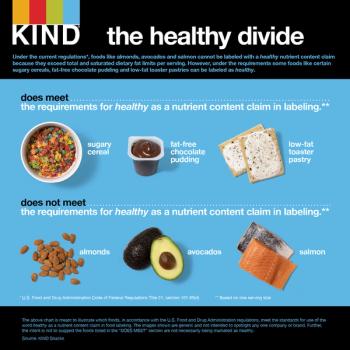
The snacks brand led the way on several key regulatory fronts this year, including successfully petitioning FDA to reevaluate its definition of the term "healthy."

With more than 60 freshmen members of Congress on the way to Capitol Hill following the 2016 elections, CRN plots its legislative priorities for the 115th Congress.

Industry leaders offer mixed responses to the DEA’s proposal to reschedule kratom into schedule 1 of the Controlled Substances Act.

Non-digestible carbohydrates like Nexira’s Fibregum acacia gum have been granted a new health claim from EFSA that says they induce a lower blood-glucose rise than sugars.

The New Dietary Ingredient notification for Algae Health Sciences’ AstaZine natural astaxanthin is the first in the industry to exceed a dosage of 12 mg per day, the firm says.

FDA has indicated it may reject vinpocetine’s status as a dietary ingredient, but leading industry trade associations argue the agency is reversing past positions in an “unprecedented” move.

LGC Science has tested and cleared PerfectAmino for the wide range of substances banned by the World Anti-Doping Agency.

Beta testing of the dietary supplement finished product registry has now entered its second phase, with CRN planning to make the site live in 2017.

At SupplySide West, natural-botanical suppliers underlined the fact that FDA’s NDI draft guidance does not consider synthetic botanical ingredients to be dietary ingredients.

OmniActive says its curcumin ingredient has received a self-affirmed Generally Recognized As Safe notification from an expert panel.

At SupplySide West, natural-astaxanthin supplier AstaReal spoke about how FDA’s NDI guidance could help level the playing field between competitors in the astaxanthin space.
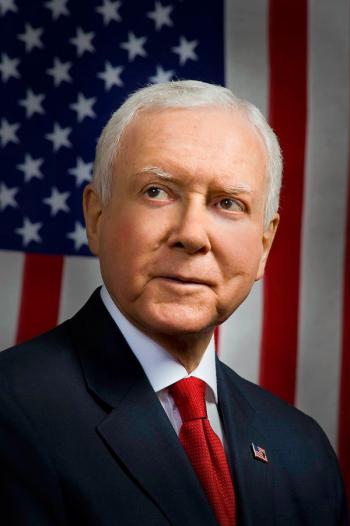
Utah Senator Orrin Hatch, one of the principle authors of the Dietary Supplement Health and Education Act (DSHEA), may run for an unexpected eighth term in 2018, Politico reports.
Uncertainty over FDA’s NDI guidance has effectively “stalled the innovation” for one botanical supplier, while other firms mull over its implications on solvent extraction techniques.

Following the New York Attorney General investigation and subsequent negative media attention, the dietary supplement industry is taking the right road.

One CBD supplier says its supplements business is booming in the wake of the regulatory controversy surrounding hemp CBD, but are tougher days ahead?

The scientists at probiotic supplier Dupont Nutrition & Health (Wilmington, DE) say they have developed testing methodology that makes it easier to identify the bacterial strains in a multi-strain blend.

Consumer demand for curcumin is skyrocketing, but that demand comes at an unfortunate price-adulteration.

Attorney General Schneiderman’s action “still raised important questions about supply-chain transparency and, in many cases, the authenticity of supplements sold in the market.”

It’s important to talk about a problem we see happening today: Certificate of Analysis adulteration.

Health Canada has approved new health claims for Sabinsa’s Curcumin C3 Complex and Curcumin C3 Reduct.

Interested parties will now have until December 12, 2016 to submit comments on FDA’s revised new dietary ingredient (NDI) draft guidance-a 60-day extension over the previous deadline.

The seminar will cover a variety of recent regulatory changes for the dietary supplement industry in China, including the implementation of China’s new food safety law.

Rivkin Radler counsel will speak on issues ranging from FDA’s New NDI Draft Guidance to regulations for cannabis products.

Ayurvedic products must still comply with FDA and FTC regulations.

The announcement comes after snacks brand KIND submitted a citizen petition requesting FDA amend its definition of “healthy,” which was last updated more than 20 years ago.
If FDA can revoke the NDI status of vinpocetine as it considered doing this September, can it do the same to other ingredients, too?

DolCas Biotech says its BCM-95 turmeric extract is now self-affirmed GRAS in medical foods for doses up to 1000 mg per person per day.