Smaller firms have until January 1, 2021, to comply with labeling changes, while larger firms have until January 1, 2020.

Smaller firms have until January 1, 2021, to comply with labeling changes, while larger firms have until January 1, 2020.

Research has identified a newly emerging adulterant in sports supplements. NSF's John Travis writes about how he and fellow researchers discovered 2-aminoisoheptane in supplements.

NPA says that FDA’s stated goal to crack down on high-risk drugs labeled as homeopathic products is unnecessary given existing regulatory requirements and that the agency should go through formal rulemaking, not draft guidance, if it wishes to enact stricter regulations for homeopathics.

FDA called for public comments on the international drug scheduling of cannabis and cannabis-related substances in preparation for a meeting of the World Health Organization. In response, herbal experts and industry leaders urged the agency not to classify cannabis substances as Schedule I drugs.

Nutritional Outlook interviewed Duffy MacKay, ND, senior vice president, scientific and regulatory affairs, Council for Responsible Nutrition, about some of the biggest regulatory hurdles and ingredients to watch in the sports nutrition category.

Nutritional Outlook interviewed hemp cannabidiol (CBD) firm CV Sciences about the growing market for CBD supplements.

The new Laboratory Guidance Document from the nonprofit ABC-AHP-NCNPR Botanical Adulterants Prevention Program (BAPP) examines several common pomegranate adulteration methods, including diluting those juices and extracts with lower-cost fruit juices or adding ellagic acid from non-pomegranate sources, as well as methods for detecting adulteration in pomegranate juices and extracts.

The SARMs Control Act of 2018 introduced yesterday by Senators Orrin Hatch (R-UT) and Sheldon Whitehouse (D-RI) would add SARMs to the DEA’s list of Schedule III drugs and ensure that SARMs are regulated similarly to anabolic steroids.

Even as regulators seek a more streamlined process for supplements in China, investors, retailers, and customers continue to focus on cross-border e-commerce.

Sabinsa announced that in April, the United States District Court in New Jersey awarded the company $850,000 in damages, ruling that Olive Lifesciences infringed on Sabinsa’s patent covering novel methods and formulations for producing tetrahydrocurcuminoids.

BioCell’s flagship ingredient, BioCell Collagen, has received halal certifications from the Islamic Society of the Washington Area (ISWA) and Halal Quality Control in Germany.

Pure or highly concentrated caffeine powders and liquids are dangerous to consumers when sold in bulk packaging, the agency says.

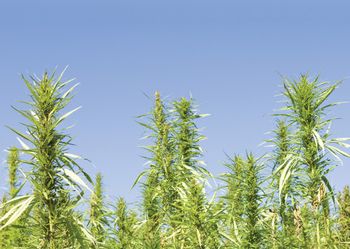
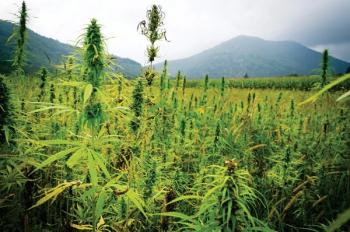
If the bipartisan Hemp Farming Act of 2018 passes, industrial hemp, as well as hemp CBD, will be regulated like a regular agricultural crop and will no longer be listed on Schedule I of the Controlled Substances Act.

Ingredients supplier Sabinsa has named analytic testing firm Eurofins as its global testing partner for both raw materials and ingredients. Eurofins will also adapt some of Sabinsa’s own proprietary testing methods.

A look at the science behind folic acid, and why it’s relevant.

NSF says that its new DNA Authenticated mark will enable suppliers “to verify the identity and purity of raw ingredients.”

Contract manufacturers predict how politics and consumer trends may affect the industry in the year ahead.

NSF International said that the newly designed app and website support its Certified for Sport testing program and help athletes and consumers avoid potentially harmful ingredients and banned substances in dietary supplements.

Omega-3s are poised for a comeback, thanks to innovation in the category and new research initiatives.

GOED issued a statement to its members affirming several points, including that the meta-analysis, which showed that omega-3 fatty acid supplementation had no significant associations with CHD death, nonfatal myocardial infarction, any coronary heart disease events, or major vascular events, adds little to the current body of evidence surrounding omega-3s and cardiovascular risk factors.

His retirement marks the end of a 40-year-long tenure, during which he notably supported the dietary supplements industry through his regulatory and legislative efforts.

This brings the total value of CRNF grants to NAD to above $2.8 million since the self-regulatory initiative launched in 2006.

In the study, researchers used chemical analyses to demonstrate that of 44 products claiming to contain SARMs and sold online, only slightly more than half contained the ingredient and many more were inaccurately labeled.

The draft guidance is open for public comment until May 15, 2018.

At issue is FDA’s observation of an increase in reported adverse events related to biotin’s propensity to interfere with some lab tests and thereby cause clinically significant incorrect test results.

The company notes that all grades of its Pomella Extract (which include Pomella FG [food grade] and Pomella Organic, among others) have now obtained self-GRAS status.

The company says that its MenaQ7 Vitamin K2 is the best-documented vitamin K2 available as MK-7.

The document outlines maximum quantities of foreign matter acceptable in selected herbal raw materials.

I recently spoke with Jane Wilson, AHPA’s director of program development, about how its standardized best practices tools can be used up and down the botanical supply chain, and about how they hopefully will help bolster quality control and transparency throughout the botanical industry.

The company said that it has completed certification of all 3,300 of its milk suppliers per the requirements of the Sustainable Dairy Assurance Scheme, a quality and sustainability program that independently audits farm-level performance every 18 months.