
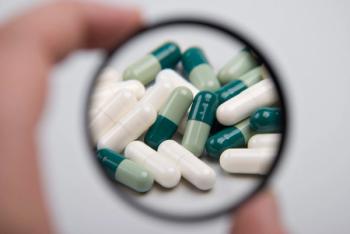
Acting FDA Commissioner Stephen Ostroff, MD, shares FDA’s accomplishments from the last year in protecting supplement consumers, as well as challenges that remain.
Acting FDA Commissioner Stephen Ostroff, MD, shares FDA’s accomplishments from the last year in protecting supplement consumers, as well as challenges that remain.

Does a California Supreme Court ruling give the green light to state lawsuits over organic claims?

The Vermont attorney general has authorized NSF International to verify GMO product claims under its new food-labeling law.

“This marks the start of a new era for our industry,” says CRN President and CEO Steve Mister.

The Organic Consumers Association calls the announcement “a significant win on the GMO labeling front for consumers.”
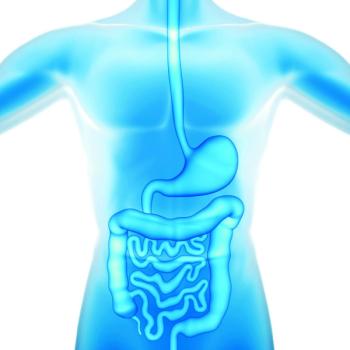
EU products containing Beneo’s chicory root fiber inulin can now carry a proprietary digestive health claim, as well as general health-related well-being claims.

One new recommendation is turning heads: a specific limit on added-sugar consumption.

According to NSF, AuthenTechnologies’ “cutting-edge, next-generation” DNA sequencing techniques are more sensitive than traditional DNA barcoding methods.

In response to public requests, FDA announced it has extended the comment period by an additional 90 days.

FDA’s Division of Dietary Supplement Programs is now its own Office within the agency’s Center for Food Safety and Applied Nutrition (CFSAN).

Aloe products currently on the U.S. market may not have to carry a warning label under Proposition 65, but consumers could still be confused, says IASC.

“The GMO labeling guidance that the FDA recently finalized is outdated, inaccurate, and confusing,” says the Non-GMO Project's executive director.
Elevating the division’s position would raise the profile of dietary supplements within FDA and could result in enhanced government resources and capabilities to regulate the industry.

What does a world with a "natural" definition look like?
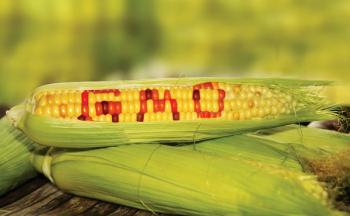
In addition, the agency has approved as safe for food the first genetically modified (GM) animal intended for food.

The announcement came yesterday as part of a joint-agency, year-long crackdown on the supplements market.
In the wake of the Oregon Attorney General's lawsuit against GNC, Senator McCaskill asked 10 retailers to remove dietary supplements containing picamilon from their shelves.

The announcement may be a sign that FDA is inching closer to establishing a formal definition of what "natural" means on food labeling.

The new certification is entirely separate from the USP Verification Program, although USP says it may be a useful “stepping stone.”
CRN’s Rend Al-Mondhiry also asked state attorneys general to prosecute companies spiking products with illegal drugs.

The company announced a prestigious botanical reference-materials partnership with the American Herbal Pharmacopoeia.

Industry trade associations CRN and NPA slammed FDA for abdicating its authority and failing to publicize its stance on an ingredient.

“What’s going to come next? Well, what I think is going to come next is more specific orders,” said attorney John Villafranco of Kelley Drye & Warren LLP.

Bayer’s FTC legal battle triumph underscores the rightful difference between dietary supplements and drugs.

Responses from supplement industry leaders aimed to put the findings in context.
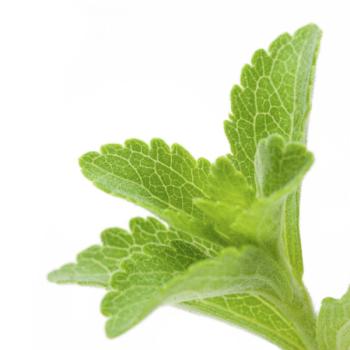
The company developed its Reb M in partnership with The Coca-Cola Co., who will co-own the patent.

The association is now in the process of drafting quality standards for algae biomass that will eventually feed into a verification program and seal the association plans to roll out in Q1 2016.

The monograph is now part of The U.S. Pharmacopeia’s (USP) Dietary Supplements Compendium.
The agency is now reviewing the petition and a final decision could come in early 2016.

Testing techniques such as UHPLC, HRAM-MS, and NMR provide complementary information to uncover adulteration.