Frozen Food Safety
While freezing food is an excellent form of preservation that allows consumers to have nutritious fruits and veggies in their freezer without worrying about spoilage, and waste, it is not without its risk when it comes to food safety. For manufacturers, one point of concern is temperature abuse, which is when food products are exposed to temperatures above the intended frozen storage conditions. This may result in partial or complete thawing for intermittent of extended periods.
“Although freezing effectively suppresses microbial activity, it does not eliminate most psychotrophic pathogens, including Listeria monocytogenes.” explains Tushar Verma, senior scientist for Corbion. “When temperature abuse occurs, L. monocytogenes can resume its growth during thawing or extended refrigerated storage, potentially compromising the food safety, especially in ready-to-eat foods.”
Corbion uses tools like its Corbion Listeria Control Model (CLCM) to assess the behavior of the bacteria across a range of formulation parameters and temperature profiles in static and dynamic conditions to estimate the potential growth of L. monocytogenes during thawing. This helps assess the robustness of existing control measures.
Protecting against temperature abuse requires a comprehensive approach that includes cold-chain management, continuous temperature monitoring, and strict temperature control during transportation, storage, and retail display. Antimicrobial preservatives are another important control measure on the manufacturing side to limit pathogen growth in the event that cold chain conditions are compromised.
“These antimicrobials provide a secondary hurdle for inhibiting the growth of microorganisms, making them valuable when temperature abuse occurs, “ states Verma. “Commonly used chemical antimicrobials include sodium or potassium lactate, sodium diacetate, sorbates and benzoates, and nitrites. These antimicrobials can significantly delay L. monocytogenes growth during temperature-abuse scenarios. However, while these antimicrobials are effective from a food safety perspective, many of these solutions are not considered clean label due to their chemical-sounding names, regulatory classification as preservatives, or consumer perception.”
Therefore, manufacturers may want to look for effective clean label solutions if they’d like to attract more conscientious consumers.
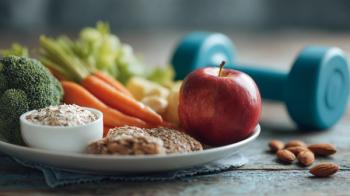
Frozen foods are a convenient option for many consumers with busy lives and large households. And while fresh is often seen as a preferable option, frozen foods need not be a compromise in terms of nutrition and quality. In many ways, frozen foods can be an ideal avenue through which consumers can get all the nutritious food a healthy diet requires.
“Consumers increasingly use frozen foods as everyday building blocks for healthy meals, not just backup options,” says Kate Landis, senior director of marketing for the National Frozen & Refrigerated Foods Association (NFRA; Harrisburg, PA). “NFRA consumer research shows adults strongly prefer naturally protein-rich foods, such as meat, seafood, eggs, and dairy, when prioritizing nutrition, making frozen proteins and produce a practical fit for daily eating patterns. Frozen fruits and vegetables are also widely used to support meal planning and consistency, helping consumers follow through on goals like eating more produce without the pressure of spoilage.”
Avoiding waste is a big factor when it comes to purchasing frozen foods. This is particularly important with rising grocery costs. Wasted food is wasted money. According to a NFRA 2025 insights report,1 64% of U.S. shoppers state that frozen foods help them combat rising prices, and nearly 50% say they’ve increased frozen purchases due their affordability and prolonged shelf life. Additionally, compared to other shelf-stable options, “Frozen produce offers minimal processing, no need for added sodium or sugars, and the ability to use only what’s needed; benefits that align with both nutrition priorities and waste reduction,” explains Landis.
While not all food in the frozen aisle is synonymous with health, there is an effort to appeal to the demands of increasingly more health-conscious consumers. “NFRA research shows consumers are more attentive to ingredient transparency and how foods fit into their overall eating interests,” says Landis. “As a result, innovation across the frozen aisle reflects a broad range of consumer needs; from balanced, protein-forward meals to gluten-free options, to indulgent favorites; reinforcing frozen foods as a flexible, convenient solution for modern lifestyles.”
Consumer perceptions around frozen food are largely positive, with 40-50% saying frozen is as good or better than fresh, according to NFRA’s report.1 Changing consumer habits are also impacting the way ready-to-eat foods are packaged and marketed. Landis notes that consumers want ready-to-eat options that are flexible, protein forward, and customizable. This makes fixed meal options less appealing for many consumers. “NFRA consumer research indicates that convenient, healthy foods and easy recipes are among the most helpful tools for meeting nutrition goals, especially for parents and health-conscious shoppers,” she explains. “This has driven growth in meals and components that can be mixed, matched, or supplemented with fresh or refrigerated items, reflecting real-world eating habits.”
Reference
- Cold Chain Industry: Food Loss and Waste as a Drive of Efficiency, Innovation, and Growth. National Frozen & Refrigerated Foods Association. 2025