





In the retailer’s new “The Vitamin Shoppe Health & Wellness Trend Report 2022,” the company discussed which product types saw growing sales in 2021 and which saw slowing sales.
In the retailer’s new “The Vitamin Shoppe Health & Wellness Trend Report 2022,” the company discussed which product types saw growing sales in 2021 and which saw slowing sales.

Why our fascination with fungi and functional mushroom formulas is more than just a trend.
How can supplement brands motivate shoppers to keep taking immune health supplements—and to take them on the regular?

Energy, naturalness, personalized attention, price, and delivery form are key selling points.

As customers rededicate themselves to sports and active nutrition, supplement companies are looking beyond challenges at long-term opportunities.

There are many paths to cognitive support, and creating a product that’s just right for your target customer can be daunting.

A recently published study found that a proprietary lemon verbena extract called relaxplx from Monteloeder may help reduce stress and support sleep quality.

In its first annual report on food, beverage, and health and wellness trends, U.S. food broker Presence highlights relaxation, mushroom, and digestive health demands, and more.

Melatonin dietary supplements have new competition: eyeglasses designed to promote the body’s natural production of melatonin.

The new retail company, NuTraditions, will debut at the Natural Products Expo West trade show in Anaheim, CA, in March, at Booth #3583.

Much more research is needed to determine if CBD—or any cannabinoid—is an effective solution for less-than-stellar sleep.

Ashwagandha is seeing consistent growth driven by demands in mood-support products, but its versatile benefits are still waiting to be tapped into.

Between 1999 and 2018, the usage of melatonin significantly increased.

The pandemic put the brakes on massive CBD growth, but this is only the beginning for the burgeoning category.

There’s so much yet to come in the burgeoning sleep supplements market. In many ways, the category is just beginning.

Ingredient suppliers Nutritional Outlook interviewed revealed they are actively researching the sleep-health benefits of their ingredients—including teasing out the sleep-support potential of ingredients that previously had not been largely promoted for sleep health.

A Japanese ceremonial-grade matcha from Ito En and distributed by Taiyo International may help ease mild stress-related cognitive decline and improves reaction time among young adults, which could position it as an e-gaming ingredient.

Read about the Herbal Pharmacist’s botanical best-bets for battling stress.
Following a single dose of the L-theanine, subjects saw significantly greater increases in frontal region alpha power compared to placebo, which is considered reflective of relaxation.
Results showed that while there were no differences between the two groups when it came to sleep quantity and quality, the PEA group did experience reduced sleep onset latency, time to feel completely awake, and improved cognition on waking.

The market for mood, stress, and sleep supplements was growing long before COVID-19. The pan-demic shot it into the stratosphere.
Unigen will be introducing two new botanical ingredients at this year’s SupplySide West Presentation Theater.

The state of the CBD market more than a year and a half into the COVID era gives us clues as to how strong its momentum may be.
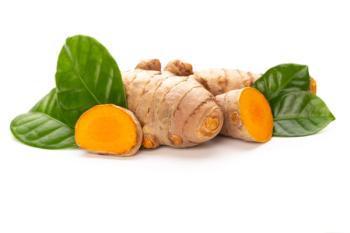
One of curcumin’s lesser-known benefits is its effects on stress/anxiety and sleep.

Supplementation with Bacopa monnieri for 28 days was associated with a 14% improvement in emotional wellbeing, 12% improvement in general health, and 16% reduction in pain.