



This year, ingredients and supplement categories at higher risk of adulteration include: selective androgen receptor modulators (SARMS), phenibut, tianeptine, higenamine, and certain high-profile botanical ingredients.
This year, ingredients and supplement categories at higher risk of adulteration include: selective androgen receptor modulators (SARMS), phenibut, tianeptine, higenamine, and certain high-profile botanical ingredients.

Nootropic spearmint extract containing rosmarinic acid may support reactive agility.
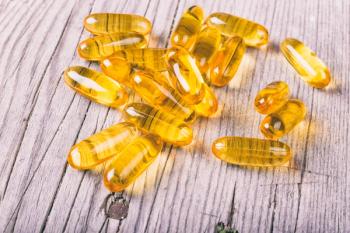
The omega-3 industry will continue its efforts to overcome unfairly negative messaging about omega-3 ingredients and to highlight positive findings.
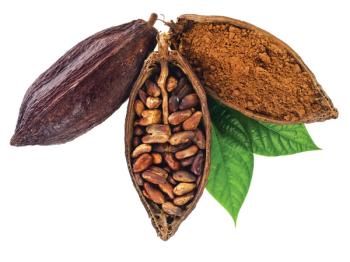
Research on cocoa and chocolate reveal positive impacts on arterial health, exercise-related brain function, and more.

Spearmint extract containing rosmarinic acid may improve performance under stress, according to new study.

NPA filed amicus brief in support of a petition by Schwabe and Nature’s Way for the 9th Circuit Court of Appeals to rehear, en banc, arguments in an appeal filed by Kathleen Sonner. A panel of the 9th Circuit Court reversed the decision of the District Court that granted summary judgment against her in a lawsuit she filed, alleging that the manufacturers were making false health claims about Ginkgo biloba product.

Postpartum rodents supplemented with nicotinamide riboside conferred benefits to offspring through nursing.

Using an in vivo obesity model with mice, researchers from DuPont Nutrition & Health in conjunction with the University of Eastern Finland were able to demonstrate that betaine enhanced metabolism in adipose tissue and reduced inflammation from a high-fat diet.

An Herbalife scientist explains why different DNA technologies are required to trace and qualify botanical materials during manufacturing.

Nuritas and Pharmavite LLC have entered into a discovery and option agreement.

The first patient has been enrolled in a clinical study assessing the safety and tolerability of a nutritional formula that contains exogeneous ketones for use in dietary interventions for those with Angelman syndrome.

The researchers found that a high serum dihomo-γ-linolenic acid (DGLA), an omega-6 polyunsaturated fatty acid, was associated with obesity, body fat accumulation, a high alanine amino transferase level, and insulin resistance in Japanese subjects with type 2 diabetes.
A recently published review of weight-loss strategies and supplements found that chromium picolinate most effectively maintained lean body mass in subjects compared to other weight-loss strategies.

The review found that dietary supplements and foods including omega-3s, polyphenols, and vitamin D, plus fruits and vegetables, may be effective in reducing pro-inflammatory cytokines found in metabolic syndrome, cardiovascular risks, and obesity, and may also improve the body’s lipid profile.

Probiotics may be an effective adjuvant therapy to antibiotics for the treatment of bacterial vaginosis, says new clinical trial.

The study results indicated a possible supplementary role of mangosteen extract in managing weight, improving insulin response, and reducing inflammation, in obese female patients with insulin resistance.

The latest on heart health ingredients and their recent science

New research shows that S-adenosyl-L-methionine (SAMe) combined with a vitamin B complex may improve mild and moderate depressive symptoms.

Consumption of Howaru Shape had a positive impact on gut microbiota, and these effects were even more pronounced when Howaru Shape was combined with DuPont's Litesse Ultra polydextrose prebiotic.

The subjects in the study, recreationally active men, saw improvements in both upper and lower body strength when supplementing with Sensoril.
Researchers have discovered two novel anti-inflammatory compounds that are converted from eicosatetraenoic acid (ETA), a long-chain omega-3 fatty acid elevated by the consumption of Ahiflower oil.
New study finds that probiotics reduced inflammation in athletes.

New research finds that krill oil may significantly reduce fasting blood glucose.
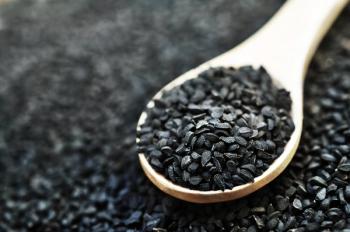
Sabinsa's branded black cumin seed extract showed significant anti-inflammatory ability on asthma-related mediators of inflammation.

Two unpublished clinical studies have tested the bioequivalence of vitamin C and vitamin D gummies from Vitafusion compared to traditional tablets.