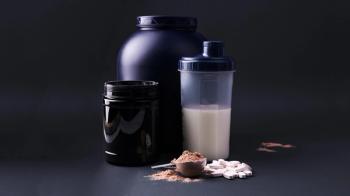
A panel at The Outlook on Active Nutrition discussed quality in sports nutrition focused on testing, liability, and what buyers now expect from suppliers.
Tensions between dairy proteins and plant proteins are heating up, but which category stands to gain the most in 2017?
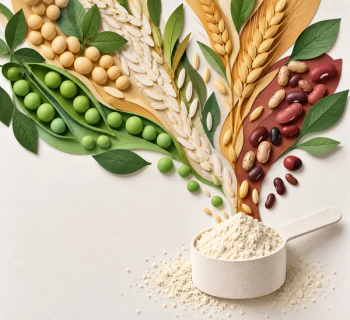
In one form or another, protein frequently finds its way onto our annual list of ingredients to watch. But after years of warily eyeing each other from across the room, dairy proteins and plant proteins may be headed toward new levels of tension in 2017.
To start with, the latest sales figures for plant protein and whey protein (a dominant player in the dairy-protein space) tell strikingly different stories. After years of slowing growth, whey protein actually experienced shrinking year-over-year sales this past year. SPINS reports that whey protein, when used as the only protein source in a product, saw sales decrease by 8.6% in the last year to reach $317.8 million.1 Plant-protein sales, on the other hand, continued to grow at a steady clip, both when used alone and in combination with animal proteins.
Sales number like those are likely one reason why the dairy industry is fighting back against plant-based milks, at least. In December, 32 members of Congress-many of whom hail from milk-producing states-
But even without the dairy-protein industry taking defensive steps, the plant-protein world still has its fair share of challenges to overcome. In a recent
There’s also the question of which audience a protein product is trying to reach. While plant proteins may be attractive to vegans, vegetarians, and environmentally conscious consumers, many hardcore athletes still see plant proteins as inferior to dairy proteins like whey, and are therefore unlikely to abandon dairy anytime soon, Eleanor Dwyer, research analyst for Euromonitor, explained in the same webcast.
Yet, even with the slumping standalone sales for whey protein, not all the signs are negative for whey. For instance, sales of whey protein when used alone in products bearing a “grassfed” claim grew by 15.3% last year to reach more than $5.2 million. Scott Dicker, natural products researcher for SPINS, says this may just suggest that consumers have “evolving standards” in their approach to whey protein.
Will plant protein continue to climb the sales charts and steal ground from dairy protein, or will dairy protein be able to use its entrenched position on the market to keep plant-based alternatives at bay? Or, could blends of animal and plant proteins finally come into their own and put their adversarial past to rest? We’ll just have to stick it out through 2017 to find out.
Read more:
2017 Ingredient Trends to Watch for Food, Drinks, and Dietary Supplements:
Michael Crane
Associate Editor
Nutritional Outlook Magazine
1. Sales numbers are courtesy of SPINS and cover the 52 weeks ending November 27, 2016. Statistics are derived from a cross-channel aggregate data pull of multi-outlet, natural, and specialty-gourmet retailers of the total U.S. market.
over 9 years ago
Pet Food Trends in 2017: Clean Label, Healthy, and Premiumover 9 years ago
Sodium Reduction Strategies in 2017over 9 years ago
2017 Dietary Supplement Equipment Manufacturing Updateover 9 years ago
FTC Clamps Down on Homeopathic Products