A new gummy portfolio from ingredient and delivery-format supplier SIRIO Europe illustrates how quickly creatine is being repositioned for general wellness consumers.
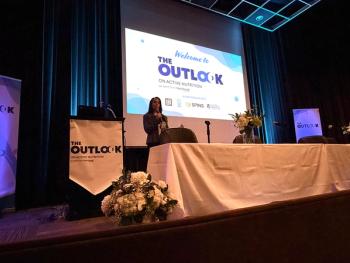
A panel at The Outlook on Active Nutrition discussed quality in sports nutrition focused on testing, liability, and what buyers now expect from suppliers.
"Clean" is a term commonly used in active nutrition, but panelists at The Outlook on Active Nutrition argued for different standards. Marc Lobliner, president of Ketone Labs and goBHB, and Karen Hecht, PhD, vice president of sciences at AstaReal Inc., said the term is vague and that what matters more is whether a product's label can be verified through banned substance testing, clinical substantiation that matches the commercial product, and supply chain accountability, and that brands and ingredient suppliers who invest in these are being rewarded by consumers willing to pay for peace of mind.
Lobliner was blunt. "Clean doesn't really mean anything," he said, noting that the term shifts with each consumer's views on dyes, sweeteners, and flavors, for example. His working definition: "When I look at clean, I want to know that what's on the label is in that product."
Hecht agreed that "clean is a marketing term. It's not a legal term." She said it commonly signals the absence of synthetic additives, fillers, and contaminants such as heavy metals, BPAs, and PFAs. For athletes, it means compliance with the World Anti-Doping Agency's banned substance list. Athletes face greater risk, she added, because they often take several supplements at once, so small contaminants can add up.
Hecht identified pharmaceutical adulteration as her chief concern. She cited estimates from 10 to 20 years ago that 14% to 58% of supplements pulled from the market tested positive for steroid or androgen substances. Her remedy is banned substance testing at every handoff in the supply chain.
On who bears responsibility, the panelists differed. Lobliner likened the integrity of a brand to a losing team's coach: "It absolutely 100% falls on the brand." He also noted that pre-existing testing would likely cost less than cleanup after a contamination event. Hecht said liability runs "all the way up the chain." Ingredient makers manage supplier risk continuously, she said, and brands tell her their choice of supplier depends on how much trust it builds.
Both panelists said the market is rewarding quality. Hecht cited CRN consumer surveys showing shoppers will pay more for peace of mind. She said B2B buyers now want turnkey support, such as ready-to-drink stability data and studies on each ingredient form. "We're no longer selling just the ingredient, we're selling the team, the science, the service," she said.
She also stressed that substantiation depends on matching the commercial product to what was studied. Material, dose, bioavailability, extraction method, and study population all affect whether a claim holds.
Lobliner said this is why he built his brand on branded ingredients. "You're paying for that peace of mind, and the consumer will pay more for that peace of mind."
Hecht said testing programs must fit ingredient suppliers' business models. AstaReal sells to pet supplement and cosmetic customers as well as active nutrition, so testing every lot was impractical. She said flexibility to test only lots destined for active nutrition customers, along with fast certificate-of-analysis turnaround, drove its choice of certifier. She also said it is important to understand which substances are tested and at what detection limits, noting that audience members had raised the same concern about certifiers.
Citing Innova data, she reported a notable increase in annual growth over five years in global product launches tied to banned substance certification.
Asked whether testing has matured, Hecht said: "We're never going to be there because the more we implement, the more we understand the context of the situation and the way that new ingredients are constantly entering sports, and we need to evolve not just the panel but also the methodologies.” Underground chemists introducing new synthetic contaminants work to evade detection methods, she noted, explaining that this is where real-world data should be introduced. Lobliner stated that too few brands pursue banned substance testing, and that certifiers must keep pace as AI makes it easier to synthesize new compounds.
Overall, for supplement manufacturers, the panel's message was that "clean" claims matter less than documented proof, because buyers increasingly expect that transparency and accountability, and will pay a premium for it.