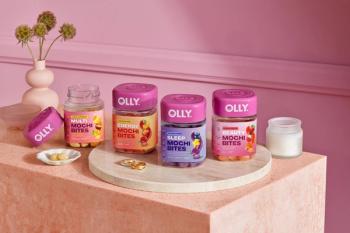
The four-formula line is Olly’s second retailer-exclusive launch this year, following the launch of a probiotic range in April.
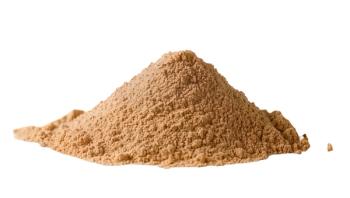
SRI-81 Shatavari, produced by Ixoreal Biomed, and distributed in Canada by CK Nutraceuticals has earned a Natural Product Number from Health Canada, allowing brands that use the ingredient to utilize 5 approved health claims that include peri- and menopause support as well as sexual health claims.
CK Nutraceuticals, the exclusive Canadian distribution partner for Ixoreal Biomed, has confirmed that SRI-81 Shatavari, Ixoreal's clinically researched extract of Asparagus racemosus, has been issued a Natural Product Number (NPN 80149608) by Health Canada. For manufacturers formulating for the Canadian women's health category, the license opens a compliant pathway to five approved health claims, each supported by randomized, placebo-controlled clinical data — a dossier that has grown substantially over the past year as new peer-reviewed trials on the ingredient have been published.
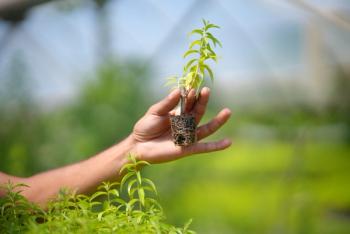
SRI-81 is produced from cultivated Asparagus racemosus roots grown in sandy, dry soil (pH 7.0–8.0) to optimize concentration of the plant's principal bioactives, the steroidal saponins known as shatavarins. The extract is manufactured at a 13:1 herb-to-extract ratio using green-chemistry processing free of harsh solvents, and is standardized to a minimum of 10% total shatavarins as determined by HPLC. Across the clinical studies, the extract has been dosed at 300 mg once daily, either as monotherapy or in combination with KSM-66 Ashwagandha, with excellent tolerability and no clinically meaningful changes in liver, renal, or thyroid safety parameters.
The menopausal and vasomotor symptom claims draw on two recent randomized, double-blind, placebo-controlled trials. In an 8-week, two-arm study of 80 perimenopausal women, 300 mg/day of Shatavari root extract produced significantly greater reductions in Menopause Rating Scale (MRS) scores, hot flash frequency, and psychological and urogenital symptom domains than placebo.1 A separate 8-week, three-arm, multicentric trial of 135 women (aged 45–65) compared Shatavari alone, Shatavari combined with Ashwagandha, and placebo; both active arms improved MRS total scores, esteem-related mood, and perceived stress relative to placebo, with the combination arm showing the largest effect, supporting Shatavari's role either as monotherapy or within combination formulations.2
The claim addressing healthy sexual arousal and satisfaction is supported by an 8-week, three-arm, placebo-controlled trial in 135 women that used the Female Sexual Function Index (FSFI) as its primary endpoint. Shatavari monotherapy produced significant improvements in sexual function, sexual distress, and sleep quality versus placebo, with an additive benefit observed when combined with Ashwagandha root extract — evidence formulators can reference when positioning combination SKUs.3
Beyond the claims covered by this NPN, Ixoreal's broader research pipeline gives formulators visibility into where the ingredient's evidence base is headed. A randomized, double-blind trial in 120 postpartum mothers found that Shatavari supplementation over 72 hours reduced time to perceived breast fullness and increased maternal satisfaction with milk output relative to placebo, reinforcing the ingredient's traditional galactagogue use with modern trial data.4 Separately, a 12-week randomized, double-blind, placebo-controlled pilot trial in women with polycystic ovarian syndrome (PCOS), now called polyendocrine metabolic ovarian syndrome (PMOS), reported that Shatavari significantly reduced follicle count, increased endometrial thickness, and lowered perceived stress scores compared with placebo, with no clinically significant changes in hormonal or metabolic laboratory parameters — an early but encouraging signal for future reproductive-health formulations.5
“The Health Canada approval represents an important milestone for SRI-81 Shatavari and provides Canadian supplement brands with a compliant pathway to formulate innovative women’s health products backed by both clinical research and regulatory approval,” said Colleen Madden, vice president of innovation at CK Nutraceuticals.
1. Mahajan S, Avad P, Langade J. Efficacy and safety of Shatavari (Asparagus racemosus) root extract for perimenopause: randomized, double-blind, placebo-controlled study. Int J Womens Health. 2025;17:4057-4073. doi:10.2147/IJWH.S544267
2. Ademola J, Ajgaonkar A, Debnath T, Debnath K, Langade J. Efficacy and safety of Shatavari root extract (Asparagus racemosus) for menopausal symptoms: a randomized, double-blind, three-arm, placebo-controlled study. Front Reprod Health. 2025;7:1654503. doi:10.3389/frph.2025.1654503
3. Ademola J, Mahajan S, Srivathsan M, Langade D. Effects of Shatavari (Asparagus racemosus) root extract on sexual wellness in women: findings from a prospective, randomized, double-blind, three-arm, parallel-group, placebo-controlled study. Int J Womens Health. 2026;18:561213. doi:10.2147/IJWH.S561213
4. Ajgaonkar A, Debnath T, Bhatnagar S, Debnath K, Langade J. Shatavari (Asparagus racemosus Willd) root extract for postpartum lactation: a randomised, double-blind, placebo-controlled study. J Obstet Gynaecol. 2025;45(1):2564168. doi:10.1080/01443615.2025.2564168
5. Mhatre Y, Jadhav P, Malik A, Srivathsan M, Langade D. Efficacy and safety of Shatavari root extract in women with polycystic ovarian syndrome: a randomized, double-blind, placebo-controlled trial. Front Endocrinol. 2026;17:1769773. doi:10.3389/fendo.2026.1769773
This article was created with assistance from AI. The content has been reviewed and edited by Sebastian Krawiec, Managing Editor. For more information on the extent and nature of AI usage, please contact us.