






The study suggests that by working through the gut-immune axis, the company’s ThymoQuin black seed oil can positively impact upper-respiratory tract complaints (URTCs) and psychological mood state in endurance athletes.

Heart Smarts: Nutrition researchers unveil new benefits of natural ingredients
The study suggests that by working through the gut-immune axis, the company’s ThymoQuin black seed oil can positively impact upper-respiratory tract complaints (URTCs) and psychological mood state in endurance athletes.

Subjects taking Magtein PS for 30 days saw significant improvements in cognitive health parameters.

Research from IFF and the Universidad Católica San Antonio de Murcia shows that AB-Fortis encapsulated iron supplement is well tolerated compared to conventional iron salts.

Subjects who supplemented with a mix of Gelita’s BodyBalance and TendoForte bioactive collagen peptides showed up to a 61% increase in muscle growth following resistance training.

According to Now, most of the brands tested failed to include the chelated magnesium form stated on the label.

Subjects supplementing orally with Pomella saw improvements in wrinkles and “shifts in the skin microbiome,” researchers said.

Like so much in the world, patient-reported outcomes (PROs) in clinical trials are now recorded digitally, offering numerous benefits.

The researchers concluded that Oxyjun “could improve cardiac pumping capacity by significantly increasing LVEF and reducing fatigue in a diverse, healthy population.”
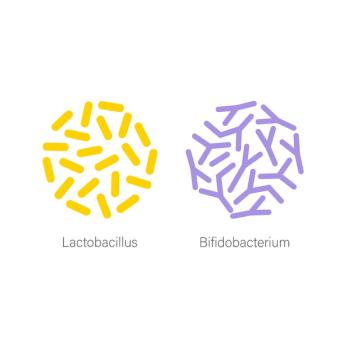
An overview of the latest Lactobacilli and Bifidobacteria research.

A recent study found that krill oil may have neuroprotective qualities that slow down hallmarks of aging.

Brightseed’s innovative AI platform, Forager, is unlocking the potential of plant bioactives while also accelerating research and development of novel ingredients.

The Ahiflower pioneer is showing the world how plant-based omegas can provide needed nutrition, sustainably.

TriNutra is devoted to a higher-quality and innovative black seed oil market.

Watch our interview with Radicle Science, on location from SupplySide West 2022, as co-founder and executive chair, Pelin Thorogood, and co-founder and CEO, Jeff Chen, MD, MBA, explain the Radicle Proof Engine.

The data showed that infants who received the probiotic strain saw a significant 73% reduction in gastrointestinal infections, compared to the control group.

Newer bone health ingredients are building on strong research.

A recent animal study found that a proprietary carob seed and pod extract from Pharmactive, called CSAT+, may support cardiometabolic health when paired with aerobic exercise and a balanced diet.

Supplementing with OmeGo is said to mimic consuming whole fish because OmeGo contains all of the polyunsaturated fatty acids found in whole fish, not just omega-3.
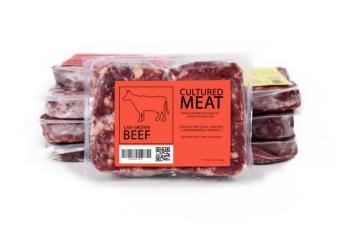
The U.S. Food and Drug Administration has completed its first pre-market consultation for human food made from animal cell cultures with UPSIDE Foods.

The company’s goal is to introduce supplements that can help bind lead and other harmful pollutants, helping the body to remove them.

The six-week study on 60 subjects found that AstaZine supplementation improved visual acuity of the dominant eye of subjects 40 years and older using visual display terminals.

At this year’s SupplySide West, Artemis International showcased new research highlighting the potential gut health benefits of its branded ElderCraft elderberry extract, as well as a new blend for phytonutrient fortification in food and beverage applications.

Modern mood boosters are built on better studies, higher efficacy, and more effective formulations than past products.

Rich in long-chain monounsaturated fatty acids (LC-MUFA), the ingredient contains cetoleic acid, an omega-11 marine lipid, and gondoic acid (omega-9). Cetoleic acid’s potential health benefits include skin and metabolic health.

The clinical trial showed significant benefits from a combination of vitamin K2 and vitamin D supplementation on coronary artery calcification (CAC).