

Modern research is gaining on the health benefits of chocolate and cocoa.

Modern research is gaining on the health benefits of chocolate and cocoa.

New ingredients and technologies to quench the thirst for beverage innovation.

Results of a meta-analysis reveal significant reductions in blood pressure and heart rate.
The ESPRIT trial will examine the efficacy and safety of adding Epanova to statin therapy for patients with very high triglycerides.

A coalition of over 100 U.S. health departments and associations is uniting on a campaign to reduce consumption of sugary beverages, including sodas, fruit juices with little to no juice, and sweetened iced teas.
Two muffin and three snack bar concepts were designed with or without 30 g of milled brown flaxseed (providing 6 g of ALA) and assigned to taste judges.

Chocolate intake is linked to reduced risk of heart disease and stroke in a meta-analysis of over 114,000 adults.
Canadian researchers believe that a diet program involving FDA-recognized heart-healthy foods may be more effective at lowering LDL cholesterol than a low-saturated fat diet.
A meta-analysis of 10 studies on over 268,000 subjects has determined that potassium intake is inversely related to risk of ischemic stroke.
This is the second time the companies have collaborated.
Tocotrienols for cardiovascular health.

Chemically known as D-ribose, ribose is a 5-carbon sugar (pentose) that is found in every cell in the body. Due to its chemical structure, it is not used by the body as a typical sugar, such as glucose (6-carbons)-meaning it is not metabolized via glycolysis, the biochemical pathway in which sugar is converted into energy. Ribose serves as the carbohydrate backbone of ribonucleic acid/RNA (as ribose) and of deoxyribonucleic acid/DNA (as deoxyribose), both of which are involved in cell growth and function.
GreenPower Health Products will launch heart-health dietary supplements based on VESIsorb bioavailability technology.
The study has been published in Circulation, the journal of the American Heart Association.
Dietary supplements brand Nathans Natural announced that its Levodyn supplement will begin a Phase II clinical trial.
Of note, numerous health claims submitted for soy isoflavones were rejected.
Ingredient broker New Products Plus will represent ingredients by Stratum Nutrition and ESM Technologies in the Utah health and nutrition market.
A new preclinical mouse liver study published in Frontiers in Nutrigenomics showed that krill oil better regulated the genes involved in glucose, lipid, and cholesterol metabolism than did fish oil.
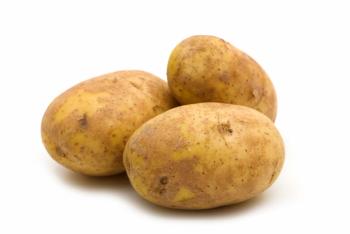
Researchers claim a combination of high sodium and low potassium is worse for heart health than either factor alone.
Stepan Company (Northfield, IL) has extended its line of lipid-based ingredients with acquisitions of Marinol, Clarinol, and PinnoThin from Lipid Nutrition BV (Wormerveer, The Netherlands).
In Cyvex Nutrition’s newest Vine newsletter, the company highlights a lesser-known omega-3 fatty acid, docosapentaenoic acid (DPA), and its newest weight management ingredient, SolaThin.
A combination of Pycnogenol and coenzyme Q10 (CoQ10) appears to improve blood pressure and heart and respiratory rates, according to research published in the journal Panminerva Medica.
Following the Israeli Health Ministry’s recommendation of omega-3 fatty acids and phytosterols for cardiovascular health, dietary supplement marketer Ta’am Teva Altman has launched No-Sterol, a supplement formulated by Soft Gel Technologies.
A meta-analysis published in the British Journal of Nutrition suggests that omega-3’s could influence heart health by reducing stiffness of the arteries.
The agency’s has weighed in on 536 new claims.