

Enzymotec (Migdal HaEmeq, Israel) and Mercola.com have co-launched Krill-IQ, a product containing krill-derived phosphatidylserine (PS) and an omega-3/astaxanthin complex of krill and alpha-glycerylphosphorylcholine (Alpha-GPC).
Enzymotec (Migdal HaEmeq, Israel) and Mercola.com have co-launched Krill-IQ, a product containing krill-derived phosphatidylserine (PS) and an omega-3/astaxanthin complex of krill and alpha-glycerylphosphorylcholine (Alpha-GPC).
IOM recommends the Department of Defense prioritize research on these interventions.
Winners and losers in the newest batch of EFSA health claims.
The presentation will be done by Deborah Yurgelun-Todd, PhD, director of the Cognitive Neuroimaging Laboratory at The Brain Institute at The University of Utah.
An FDA panel narrowly voted against warning labels for products with artificial colors, but did urge for more science.
Cognitex Basics contains phosphatidylserine and alpha-glycerylphosphoryl choline, supplied by Enzymotec (Morristown, NJ).
The ingredient complex is intended for cardiovascular, neurological, and other health benefits.
New tests show that Kyowa Hakko’s (New York City) Cognizin citicoline ingredient may improve focus, concentration, and memory, according to new scientific data presented at the SupplySide Science Tour held January 24 in Irvine, CA.
The product uses CereBoost ginseng extract and is intended for cognitive health at all ages.
In fewer than five years, the alertness and relaxation drinks market-a subset of the energy drinks category-has risen to $521 million, according to a new report from Zenith International.
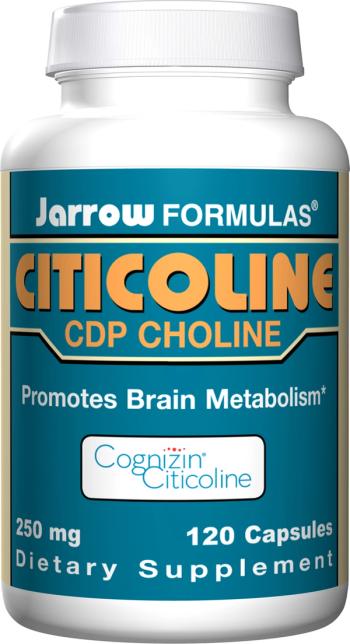
The ingredient has been gaining consumer interest in the brain health category.
The FTC announced on Monday that it has reached a settlement with major children’s vitamins brands to cease healthy-brain and eye-development claims.

The National Institutes of Health’s Biomarkers Consortium has announced the results of a proteomics study to identify plasma-based biomarkers for Alzheimer’s disease.
Results of a study comparing creatine and cognitive function in vegetarians and meat-eaters.
Targeted Weight Loss
Omega-3s May Reduce Incidence of GingivitisSource: A Naqvi et al., “n-3 fatty acids and periodontitis in U.S. adults,” Journal of the American Dietetic Association, vol. 110, no. 11 (November 2010): 1669–1675.Dietary intake of even modest amounts of omega-3s may significantly improve gum care, according to a study published in the November issue of the Journal of the American Dietetic Association.
It has demonstrated potential cognitive improvements.
FDA has confirmed Blue California’s (Rancho Santa Margarita, CA) L-TeaActive l-theanine ingredient as Generally Recognized as Safe (GRAS) for use in food and beverages.
Aker Biomarine is making a push towards more research on krill and central nervous system disorders.
Industry lauds results of study on DHA and cognitive decline.
The Council for Responsible Nutrition (CRN; Washington, DC) today voiced its concern over a new Journal of the American Medical Association study, stating that the study did not consider the preventive role of omega-3 docosahexaenoic acid (DHA) in cognitive decline, but rather used DHA to try to treat those already suffering from Alzheimer’s disease.
The European Food Safety Authority (EFSA; Parma, Italy) has issued positive opinions for the omega-3 fatty acids docosahexaenoic acid (DHA) and eicosapentaenoic acid (EPA) for eye, brain, and heart health.

Verdure Sciences (Noblesville, IN) has launched Longvida, an “optimized curcumin” ingredient that the company says is absorbed by the body up to 65 times better than “non-optimized” curcumin.

Recently, several researchers have discovered the profound influence of vitamin D on brain development.
Chemi Nutra’s (White Bear Lake, MN) SerinAid brand of phosphatidylserine (PS) has been halal certified by the Islamic Food and Nutrition Council of America (IFANCA), allowing SerinAid products to bear IFANCA’s Crescent M Halal logo.