


According to SPINS, female-positioned supplements grew at a rate of 6%, netting a total of $628 million in U.S. sales in the 52 weeks ending July 15, 2018.
According to SPINS, female-positioned supplements grew at a rate of 6%, netting a total of $628 million in U.S. sales in the 52 weeks ending July 15, 2018.
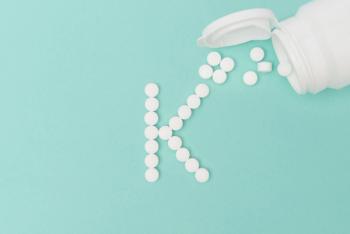
Although the public has yet fully to appreciate vitamin K2, advocates are working overtime to change that. Here’s how an official recommended daily intake (RDI) value could help.

New research and market stats demonstrate that mood supplements are both in demand and effective.

FSMA is reaching its final stages of compliance, and contract manufacturers are finding a few challenges in its wake.

Even so, children are still a niche audience within the food and drink market.

Despite their rising profile, probiotics have yet to reach their full potential with Americans, whether as supplements or functional-food ingredients.

Companies must still do their due diligence in evaluating reference standard suppliers, as they would elsewhere on the supply chain.

It is well known that EPA and DHA support cardiovascular and metabolic health through several mechanisms.

The convergence of contemporary science and a passion for all things “natural” has shot herbal and botanical dietary supplements onto center stage.

Prebiotic benefits extend to metabolic health, heart health, and more.

Probiotics have had a tough media run in recent months. Why now?

Functional water is changing the way people consume water.

Bill Harris, PhD, omega-3 researcher and founder of OmegaQuant, says a recent Cochrane report is biased because it ignores a large body of evidence showing favorable effects of EPA and DHA on cardiovascular risk.