


Of note, numerous health claims submitted for soy isoflavones were rejected.
Of note, numerous health claims submitted for soy isoflavones were rejected.
NSF International’s NSF Certified for Sport program has certified two joint-health supplements featuring ESM Technologies’ (Carthage, MO) eggshell-derived ingredients.
Through a partnership with Core Health Products (Mesa, AZ), ESM Technologies (Carthage, MO) is bringing its eggshell and eggshell membrane ingredients into the sports supplement market.
The agency’s has weighed in on 536 new claims.
Science in Sport Ltd. (SIS) is a marketer of such popular sports-nutrition products as PSP 22 carbohydrate powders, Rego recovery powders, and the Go range of sports-nutrition gels.
The company says EnerG is the first and only drink mix to provide ionic electrolytes from a full complex of ocean minerals, 74 to be exact, and in the same ratio as those found in the human body.
Together with an increased intake of carbohydrates, Lonza’s (Basel, Switzerland) Carnipure tartrate ingredient was shown to increase L-carnitine content in the muscles in recreational athletes.
New flavors include grapefruit, calamansi, green apple, daladan, clementine, mango, guava, passion fruit, plum, blueberry, and lavender.
The event is scheduled for Wednesday, June 15, from noon to 1:30 p.m., in Room B-340 of the Rayburn House Office in Washington, D.C.
Now, recognizing sales opportunities, energy shot marketers are even distributing energy shot samples at AARP conventions.

The hot pepper extract can be consumed without oral or gastric irritation.
Instead, the authors recommend water for moderately active youth.

Why is FDA reluctant to define "natural"?

Enzymes for milk digestion, sports performance, and other functions.
Nutraceuticals International LLC (Elmwood Park, NJ) has launched a new website for its Cha’ De Bugre ingredient supply at www.chadebugre.com.
Colostrum supplementation before short-term exercise was no better than skim milk powder.
The researchers say the study shows that whole coffee fruit extracts may provide higher levels of CGA content compared to powder forms in part because processing.
Winners and losers in the newest batch of EFSA health claims.
Rhino Energy GmbH, Germany’s second-largest energy drink brand, has unveiled Natural Energy & Fruit, which features Beneo’s functional carbohydrate isomaltulose Palatinose,

No Small Thing: the benefits of nanotechnology are great-but so are the risks.
Trained female athletes were placed on a low carb-and-protein supplement or a moderate carb supplement.

Emerging research suggests spacing protein consumption throughout the day increases its benefits.
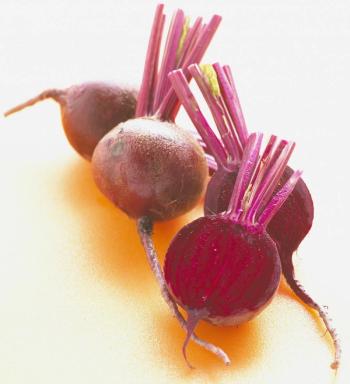
Recent science suggests that betaine, a compound derived from beetroot and other vegetables, may increase muscle endurance in strength and resistance exercise; but new research suggests that betaine’s sports benefit is not definitely linked to nitric oxide.
New features have been added to the NSF International Certified for Sport web site, including a list of certified products and a Spanish language option.
Cargill Inc. (Minneapolis) will showcase several new health products at the upcoming Natural Products Expo West and Supply Expos in Anaheim, California.