


The company received a patent for its HeezOn product, a blend of botanical ingredients that the company says boosts male sexual desire, performance, and satisfaction.
The company received a patent for its HeezOn product, a blend of botanical ingredients that the company says boosts male sexual desire, performance, and satisfaction.

Per the bulletin, reports of ginkgo extract adulteration date back to 2003.

The acquisition is part of Frutarom’s merger plan to “enable the rapid, efficient, and comprehensive integration of the global activities of both companies.”

Mt. Angel says that its Brain Boost daily dietary supplement, formulated with Cognizin citicoline, supplies brain cells and other neurons the compounds they need to protect against stress and free-radical damage.

The report found that sales of non-dairy milk-which Mintel defines as both refrigerated and shelf-stable ready-to-drink almond milk, coconut milk, soy milk, and other refrigerated milk substitutes-have steadily grown since 2012.
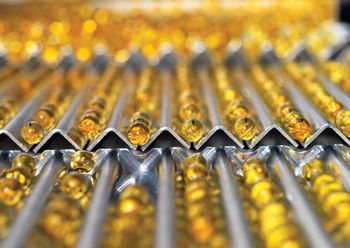
Some of the key features of the new facility include its efficient “smart” design, clean rooms throughout the facility, and cross-contamination prevention controls.

An update on branded immune-support ingredients.

Top flavor houses and experts predict which flavor trends will be big in 2018.

Among the condition-specific benefits the extract can potentially deliver include support of healthy blood sugar ranges, protection of vision and ocular health, and circulatory support, especially in cardiovascular vessels.

The astaxanthin capsules contain AlgaeHealth’s AstaZine natural astaxanthin derived from organic Haematococcus pluvialis microalgae.

In her former role as chief sales and marketing officer, she led the following Country Life brands: Country Life Vitamins, Desert Essence, Biochem, and Iron Tek.

His retirement marks the end of a 40-year-long tenure, during which he notably supported the dietary supplements industry through his regulatory and legislative efforts.

The most unexpected supplements sales trends from last year, according to SPINS.
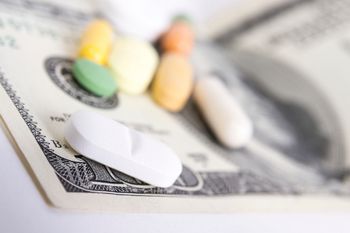
This brings the total value of CRNF grants to NAD to above $2.8 million since the self-regulatory initiative launched in 2006.

The study focused on protein powder, ready-to-drink protein drinks, and protein bars.

In the survey, Lycored also asked 329 consumers which five fruits and vegetables on a list of 14 they most associate with health.
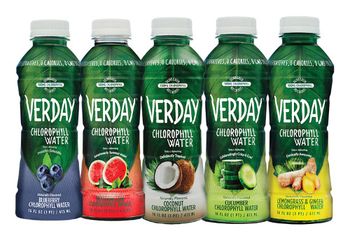
Healthy soft drink choices see less sugar and more coconut and kombucha.
UL, the global independent safety science company that developed and administers the Supplement OWL, and the Hamacher Resource Group, a category management, business strategy, analytics and brand marketing service provider focusing on retail consumer healthcare, have both announced their willingness-for a nominal per-label fee-to speed the upload process and relieve some of the burden on companies.
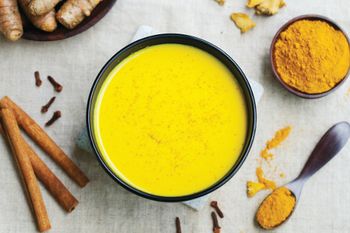
Both formulas deliver 400 mg of turmeric extract standardized to 95% curcuminoids per serving, concentrating the dose of curcumin that consumers receive.

“Ugly” ingredients look better every day.

Satialgine DVA is a new line of alginate ingredients for use in premium dairy and nondairy dessert applications.
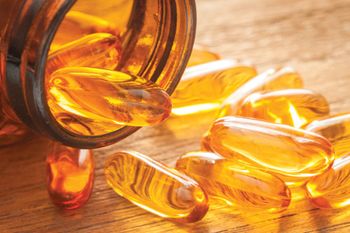
The novel omega-3 technology is designed to accelerate the nutrient’s absorption and ensure its delivery to the sites where the body most needs it.

Adventurous tea-drinkers are seeking innovative, sophisticated flavors like rose, turmeric, and matcha.

The sweetener can now be used as a “general-purpose, non-nutritive sweetener for foods and beverages.”

The draft guidance is open for public comment until May 15, 2018.
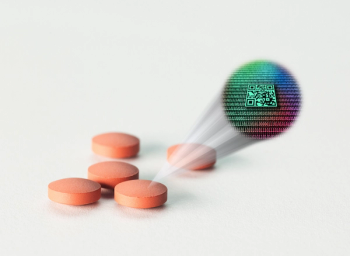
The launch marks the first time that TruTag’s silica microtags are available in a finished product.
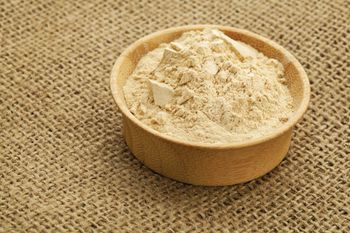
Embracing an alternative-protein future.
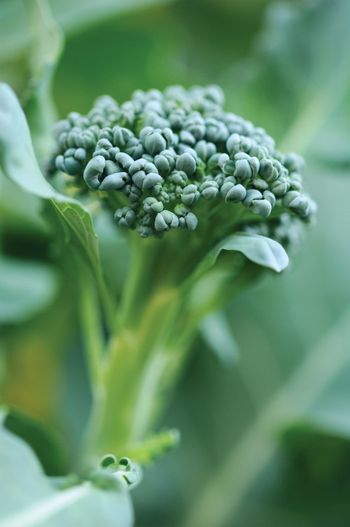
Putting commercial glucoraphanin on the map.

Educating consumers that beauty comes from within.

AHPA’s tools and efforts give industry companies new ways to ensure quality.