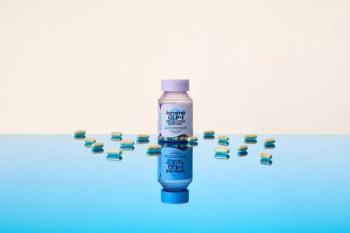
The four-formula line is Olly’s second retailer-exclusive launch this year, following the launch of a probiotic range in April.
DNA testing of ingredients has been the subject of debate recently, but one manufacturer claims it can be an invaluable tool if used properly.
In the wake of the controversial action taken by the New York State attorney general to
Yet, there are instances when DNA testing may provide invaluable information about an ingredient’s identity-a fact that will hopefully not be lost amidst criticisms over the attorney general’s use of the technology.
Gaia Herbs (Brevard, NC) is one supplement manufacturer that has been using DNA testing as a tool to ensure that the ingredients are what they’re supposed to be.
Since 2010, Gaia has been using DNA testing to create its own DNA-validated reference standards library, according to Jeremy Stewart, PhD, vice president, scientific affairs, Gaia Herbs. Before a new ingredient is added to the company’s materia medica, DNA analysis is used to confirm correct genus and species, says Stewart.
Gaia then compares incoming raw material to these DNA-validated reference standards with a three-pronged battery of tests, including high performance liquid chromatography (HPLC), says Stewart.
Stewart maintains that DNA testing is an important tool in a supplement manufacturer’s ingredient-identity toolkit. He adds that the costs of DNA testing are reasonable and that the method has already allowed Gaia to discover false ingredients.
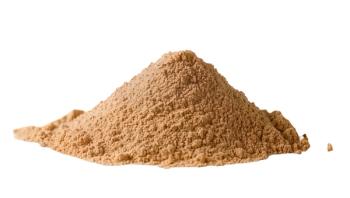
When Gaia received a suspicious sample of maca, initial tests showed that the ingredient more or less fit the ingredient’s chemical fingerprint profile; however, Gaia scientists were wary because the profile fit wasn’t as strong as they would have liked, says Stewart. Gaia sent the sample out for DNA analysis by a third party.
“The sample showed that it did not contain any maca DNA,” says Stewart. “DNA [testing] was the only way we were able to discern that.”
Gaia uses DNA analysis primarily for reference standard purposes, says Stewart. And, he adds, the firm absolutely does not use DNA testing on extracts, agreeing with others like CRN that the method is not appropriate for use on finished products.
“It can’t be a ‘be-all, end-all'-which I think was the way the attorney general of New York classified it-and for a comprehensive analysis it should be used in conjunction with other tests to create a complete picture,” says Stewart. He suggests that DNA testing of finished products could lead the attorney general “down a false path” because extracts “might not have DNA from the plant remaining in there, just simply due to the processing.”
Stewart adds that he has heard of some scientists working to advance DNA testing capabilities to the point of identifying specific ingredients in a mixture, as well as the amounts of each ingredient, but that the science may still have a ways to go.
“It’s getting there, it’s just not quite there yet,” says Stewart.
Michael Crane
Associate Editor
Nutritional Outlook magazine
michael.crane@ubm.com
Photo © iStockphoto.com/ScantyNebula
over 11 years ago
New Frontiers for Cranberryover 11 years ago
The Future of GRAS Regulations