The randomized, double-blind placebo-controlled study found laboratory safety markers remained within normal ranges across treatment and placebo groups.
In a recently published clinical trial, Xeya Modern Shatavari from NXT USA demonstrated multiple benefits for women with polycystic ovary syndrome (PCOS).
The standardized extract Xeya Modern Shatavari from NXT USA demonstrates multiple health benefits for women with the endocrine disorder polycystic ovary syndrome (PCOS), a new clinical study shows.1 PCOS is a major cause of female infertility, the study notes, and affects approximately 5–15% of women worldwide. The disorder is also associated with other conditions including insulin resistance, cardiovascular risks, and depression.
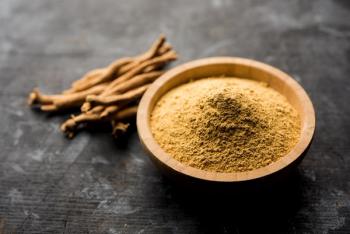
The botanical extract is derived from Asparagus racemosus (shatavari) roots and is used in traditional Ayurvedic medicine for reproductive health benefits. This extract has also been tested in 2025 in a
The study, “
This 84-day randomized, double-blind, placebo-controlled clinical trial involved 60 women aged 20 to 35 years with PCOS. The participants received either once capsule of 100 mg daily of the extract (standardized to 15% shatavarins) or a placebo, and were not given instructions to change their daily diet or lifestyle. They also participated in four scheduled visits in the study, including follow-ups.
The primary outcome of this study was the change in ovarian volume from baseline measurements, with secondary measurements being exploratory and including hormonal, metabolic, and anthropometric measures. Safety of the supplement was also evaluated.
At the end of the study, participants in the supplement group demonstrated significant improvements compared to placebo.
Highlighted results in the supplement group include:
The reductions in TT contributed to reductions in hirsutism (excessive hair growth) and acne. Menstrual patterns and anthropometric changes (body weight, waist and hip circumferences) saw moderate changes.
Ultimately, the proof-of-concept study determined the supplement to be an effective management strategy for PCOS, targeting both endocrine and metabolic factors. “CL22209 was well-tolerated and demonstrated broad-spectrum efficacy in women diagnosed with PCOS, improving ovarian morphology, metabolic health, and androgen-mediated symptoms,” they concluded. “Future studies with larger sample sizes and longer follow-up durations would help to further validate these findings and clarify CL22209’s role in the management of PCOS.”
Most available pharmacotherapies target specific symptoms rather than the condition itself, the study notes, also stating that the supplement offered a promising plant-based therapy for holistic management of the condition.
“Many women don’t realize how deeply hormonal imbalance can influence reproductive health, metabolism, and skin,” stated Eric Anderson, managing director of NXT USA, in a January 13, 2026, press release.3 “Xeya Modern Shatavari supports natural hormone balance, helping promote healthy ovarian function, consistent cycles, and hormonal markers tied to clear skin and metabolic resilience.”
The press release also noted that the extract is wildcrafted from regulated management of forests, dried by local women’s cooperative, and processed using purified water and organic ethanol.
References