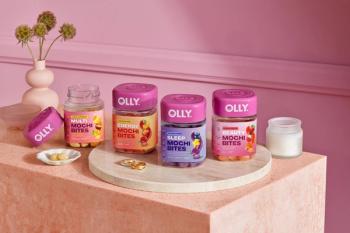
A new gummy portfolio from ingredient and delivery-format supplier SIRIO Europe illustrates how quickly creatine is being repositioned for general wellness consumers.
A curated list of top articles from 2025 covering the trends and innovations in longevity and healthy aging.
December 1, 2025 news article by Sebastian Krawiec.
At the most recent SupplySide Global event, Nutritional Outlook explored how the industry is changing its approach the category of longevity, which has grown to encompass not only beauty-from-within, joint health, and cognitive health, but also measures that target key markers to lower biological age, all with the ultimate goal of aging with dignity.
The featured products and innovations at SupplySide Global revealed new strategies in mobility, beauty-from-within, and brain health, plus how consumers can manage chronic inflammation, mitochondrial function, gut health, and cellular senescence. The mechanisms of DNA methylation and nutrition is also a key consideration in epigenetic health and aging.
This article includes insights from Bioiberica, Gelita, Kyowa Hakko, dsm-firmenich, and Balchem.
From the September 2025 issue of Nutritional Outlook. Article by Sebastian Krawiec.
Muscle health is essential for healthy aging, weight management, and overall wellness and quality of life. Maintaining muscle is crucial for an active lifestyle, and while protein intake has conventionally been the focus and still remains high, there is room for innovation too.
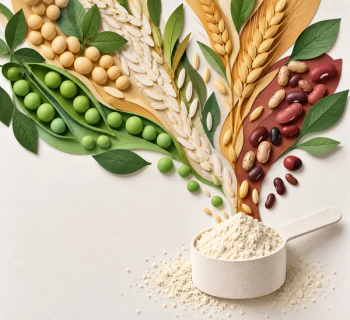
Plant-based protein options, such as soy and pea protein, are growing in popularity. Additionally, more evidence is supporting the use of pre- and probiotics to support the effects of protein, called the “gut-muscle-axis.” HMB (β-Hydroxy β-methylbutyrate) and omega-3s also shows complementary benefits as well. Other ingredients, such as the herbal ingredient Pycnogenol from Horphag Research can also contribute to muscle health in various ways.
This article features insights into marketing trends and ingredients from ADM, branded ingredients from TSI, research on formulations from Epax, and ingredient sources from Aker BioMarine.
From the April 2025 issue of Nutritional Outlook. Article by Melissa Kvidahl Reilly
The longevity and healthy aging category had primarily targeted older adults, but now it is expanding to include younger consumers who are interested in herbal joint health supplements. The trend is driven by an awareness of joint health as a crucial factor in active lifestyles and longevity and proactive measures for strength rather than reactive measurers for discomfort. Additionally, collagen is a significant ingredient to support joint health and structure, and it is being combined with herbal ingredients anchored in traditional medicine to reduce inflammation. These supplements include Boswellia (Indian frankincense), turmeric (curcumin), with potential for Nigella sativa (black seed) and ginger to offer support for a healthy inflammatory response. Interest in ashwagandha is growing as well because of its ability to affect perception of pain.
This article features insights from Mohini Joshi, vice president of holistic health brand experience and strategy at Nestle Health Science U.S., and from Irfan Qureshi, ND, global head of product development for Metagenics.
From the April 2025 issue of Nutritional Outlook. Article by Melissa Kvidahl Reilly
Osteoporosis—the weakening of bone tissue, structure, and strength—affects millions of Americans over the age of 50, with women primarily making up approximately 80% of this population. The declining of estrogen, which supports bone density and health, during menopause is a main factor in bone fragility.
Bone loss begins after age 30, and accelerates during menopause. Mitigating bone loss can be supported through intakes of calcium and vitamin D. Calcium is critical for functions, and bones also serve as a calcium reserve for the body. Vitamin D enhances calcium absorption and supports bone formulation, with the help of magnesium. Phosphorus and vitamin K support bone maintenance and increase strength, respectively.
This article features insights from Mohini Joshi, vice president of holistic health brand experience and strategy for Nestle Health Science U.S. and Jacqueline Jacques, ND, FTOS, a wellness industry expert and Obesity Society fellow.