Do fermented foods offer benefits for reducing allergic reactions to foods? A recently published systematic review addressed the knowledge gap between fermentation and its relation to food allergies, finding potential for its use, but also a lack of consistent and sufficient research.
Fermented foods are some of the oldest foods produced, the study notes, and are products of metabolic activity of microorganisms that preserve food while also enhancing nutrient bioavailability. Fermentation of foods also has potential to address allergic reactions to foods by breaking down allergenic proteins prior to digestion.
The study, “The role of fermented foods in managing food allergies in children and adults: a systematic review,” was published in Frontiers in Nutrition in January 2026.
Study design
The aim of the research was to investigate and contextualize the potential mechanisms of fermented foods in managing and preventing food allergies in children and adults and those at risk of developing them. The search was conducted in Scopus, MEDLINE, and Cochrane Library for articles published from January 1, 1970, to December 31, 2024, using Preferred Reporting Items for Systematic Reviews and Meta-Analyses and the relevant European Food Safety Authority guidelines. Studies were screened using the Cadima tool and risk bias was assessed using multiple tools.
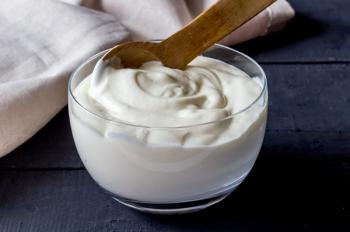
Out of 558 studies that fit the inclusion criteria, 10 were ultimately selected. The fermented foods analyzed included fermented soy products, baked goods, fruit-based beverages, vinegar-treated foods, oat-based drinks, and dairy products like yogurt and cheese.
Study results
Fermentation of foods showed potential to reduce food allergenicity, though the effects were dependent on factors such as microbial strains and the specific food. Additionally, some studies indicated that fermentation may be ineffectual or actually worsen allergic response. “In several studies, a reduced allergenicity was reported that was related to fermentation-mediated hydrolysis of allergenic proteins of gluten or soy,” the researchers noted. “Additional mechanisms were related to anti-allergic immunomodulatory effects or favorable shifts in gut microbiota composition.”
The heterogenous design of the studies means the conclusions must be approached with caution, the researchers note. “While fermented foods hold promise in reducing food allergenicity and promoting tolerance, current evidence is limited to draw solid conclusions,” they conclude. “Rigorous, well-designed human clinical trials, complemented by mechanistic studies in vitro and in vivo, are needed to clarify the role of fermented foods as dietary or even clinical tools to combat food allergies.”
The study highlights the need for more studies on fermented foods and food allergies. The possibility of developing regulatory and clinical guidelines on fermented foods as supplementary or primary defenses against food allergies was suggested as a future possibility in clinical nutrition, with the completion of sufficient trials.
Study Limitations
Methodological limitations were noted. Only one out of the ten studies was found to have a low risk of bias.
Research on fermented foods and gut health benefits
An April 2025 study from UC Davis, “The fermented cabbage metabolome and its protection against cytokine-induced intestinal barrier disruption of Caco-2 monolayers,” explored the gut health benefits of fermented vegetables such as cabbage.2,3
The researchers conducted a cell model study with sauerkraut, raw cabbage, and brine, finding metabolites in the sauerkraut also made in the human gut microbiome. All the fermented cabbage samples demonstrated intestinal epithelial barrier protective bioactivity.
“Along with eating more fiber and fresh fruits and vegetables, even if we have just a regular serving of sauerkraut, maybe putting these things more into our diet, we'll find that can help us in the long run against inflammation, for example, and make our digestive tract more resilient when we have a disturbance,” explained study author Maria Marco, in a news release.4
References
- Hyseni, B.; Papadimitriou, K.; Issa, A.; Tonay, AN.; Ergün, BG.; Gonzalez-Domenech, CM.; et al. The role of fermented foods in managing food allergies in children and adults: a systematic review. Front. Nutr. 2026. 12:1689636. DOI: 10.3389/fnut.2025.1689636
- McEvoy, E. Study analyzes the mechanisms of gut health benefits of sauerkraut. April 16, 2025. https://www.nutritionaloutlook.com/view/study-analyzes-the-mechanisms-of-gut-health-benefits-of-sauerkraut (Accessed 2026-01-08.)
- Wei, L.; Marco, ML. The fermented cabbage metabolome and its protection against cytokine-induced intestinal barrier disruption of Caco-2 monolayers. Applied and Environmental Microbiology. 2025. DOI: 10.1128/aem.02234-24
- Dobbyn. T. The Gut Health Benefits of Sauerkraut. April 14, 2025. https://www.ucdavis.edu/food/news/gut-health-benefits-sauerkraut (Accessed 2026-01-08).