






A systematic review examined studies on the effects of two types of Vitamin E for improving heart health.

A systematic review examined studies on the effects of two types of Vitamin E for improving heart health.

Researchers reviewed 11 studies and found that there was no difference in the incidence of bleeding events between patients receiving omega-3 PUFAs and those not receiving them. High dose EPA consumption was associated with an elevated but modest risk.

According to the paper’s author, Stephanie Venn-Watson, DVM, MPH, deficiency in pentadecanoic acid of ≤0.2% total circulating fatty acids increases the risk of ferroptosis, which a type of cell death cause by the peroxidation of fragile fatty acids in cell membranes that combines with iron thus increasing reactive oxygen species, and disabling mitochondria.

Results showed that the lemon flavonoid extract exerted antioxidant effects, and reduced biosynthesis and degradation products to maintain balanced cholesterol levels.

The article commissioned by The Global Organization for EPA and DHA Omega-3s (GOED) reviewed the state of omega-3 fatty acid testing, highlighting the value of testing and the commercially available options for diagnostic testing.

The blend of long-chain polyunsaturated fatty acids and long-chain monounsaturated fatty acids combines the heart and brain health benefits of omegas-3s with the skin and metabolic health benefits of omegas 9 and 11.

Probiotic supplementation was associated with the reduction of conjugated bile acids, cholesterol levels, and the oxidation of LDL cholesterol.
At-home testing and wearable tech will put supplements to the test as consumers measure and track their cardiovascular, liver, and blood sugar health.
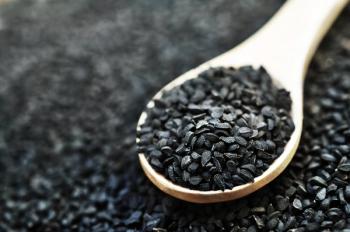
TriNutra has announced structure-function health claims granted by Health Canada for its proprietary black seed oil when taken as an oral supplement.
The company states that the oil delivers 60% DHA.
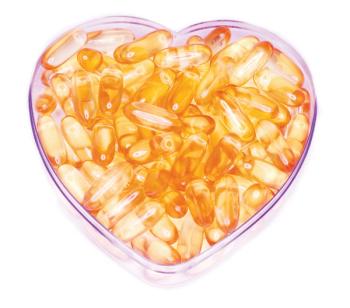
In the study, supplementation alone did not have a significant impact on cardiovascular outcomes in patients who've recovered from mycocardial infarction. However, subjects taking omega-3s that had a 5% increase in omega-3 index did see better health outcomes than those who did not.

Magnesium's trajectory is similar to ashwagandha in that its reach is extending across multiple categories.

According to the company, it is the first global supplier whose entire worldwide edible oil portfolio meets WHO’s best practice standards on iTFAs, even in countries where there is no legislative mandate.
A recent pooled analysis of 29 cohorts made up of 183,291 participants found a link between omega-3 blood levels (Omega-3 Index) and stroke risk.

Beneo has announced that its whole grain barley flour, Orafti β Fit, has received certification from the American Heart Association (AHA) to carry the organization’s Heart-Check mark.

Research is supporting cranberry’s benefits for age-related cognitive decline, benign prostatic hyperplasia, and elevated blood pressure.

A recent study found that CoQ10 phytosomes, marketed by Indena as Ubiqsome, improve cellular uniquinone uptake in skeletal muscle cells.

The company debuted the ingredient at October’s SupplySide West trade show in Las Vegas.

If the gut-brain axis connects our microbiome and mood, mass, and metabolism, can probiotic supplementation support all three?

At this year’s SupplySide West, Nutritional Outlook spoke with Aker BioMarine’s chief scientist Nils Hoem about the connection between liver health and heart health, and how krill oil fits into this relationship.

The ingredient is standardized to 0.5% S-allycysteine (SAC).

The study shows that the benefits of insoluble dietary fiber go beyond fiber, and points to the need to consider the composition of bioactives in dietary fibers and the need to preserve them during processing.

The study found that supplementation with vitamin K2 menaquinone-7 significantly reduced dephosphorylated undercarboxylated MGP in hemodialysis patients. However, the dosage did not translate to a reduction in vascular calcification.

CholBiomeVH addresses vascular health and joins the three other cardiovascular ingredients in ProBiotix’s CholBiome line.

MMR based its latest insights on data from consumers in France, Germany, and the Netherlands.