


The more attention our microbiomes get from the research community, the more benefits consumers may one day reap, and the more inspiration wellness brands can tap for probiotic product development.
Kimberly J. Decker writes for the food and nutrition industries from her base in the San Francisco area where she enjoys eating food as much as she does writing about it.
The more attention our microbiomes get from the research community, the more benefits consumers may one day reap, and the more inspiration wellness brands can tap for probiotic product development.

Functional mushrooms keep the wellness space fertile.
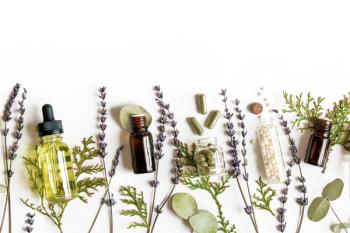
Botanicals may be ancient ingredients, but they may also be the wellness wave of the future.

Probiotics and prebiotics might be trending, but don’t forget about enzyme supplements, experts say.

It’s no wonder that the botanical industry has fixated on fears of adulteration in these challenging times.
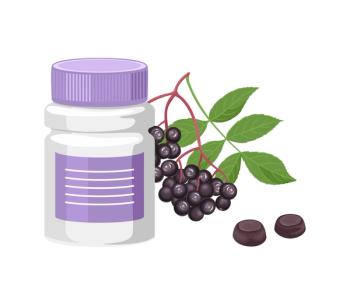
With elderberry’s fortunes rising along with the research, can we expect its good luck to continue?

CBN is gaining popularity in the hemp world. But is it truly promising?
Consumers are eager to invest in skincare products, but will today’s ingredients stand up to scrutiny?

Research indicates that CBDA largely produces biological effects similar to CBD’s. But does it have market potential like CBD?

And how can companies introduce sleep foods and beverages to bedtime routines?

Many other actives are generating both the science to support their effectiveness and the consumer interest to raise them up the ranks.

The nutrition industry is one in which the actions of a “rogue” influencer can detonate any number of legal landmines.

A whole host of emerging actives—some familiar; others less so—are vying for ground in the crowded immune-support category.

In May 2021, the International Scientific Association for Probiotics and Prebiotics (ISAPP) formally defined what, operationally speaking, a postbiotic is. So what does this signal for the postbiotics market?

How much influence do healthcare practitioners have in shaping their patients’ dietary supplement use?

What does the herbal industry do when fate tosses a once-in-a-century pandemic onto a massive logistical crisis—all atop a burgeoning botanical boom? It dials up the patience and keeps its eyes on the long game.

Here’s why nutritional supplements are gaining fans across the esports skill spectrum—and not just among players competing at the highest levels.

Vegan options, innovative delivery systems, and ingredient pairings will keep consumers coming back to vitamin D long after the pandemic has passed.

Surviving, and thriving, in today’s contract manufacturing environment

Consumers’ growing search for brain health, immune health, mood support, and more will continue driving functional foods long after COVID-19.

What are key considerations when deciding between plant-based and gelatin delivery systems?

The entire omega-3 space is bubbling with innovation as investigations grow into unanticipated health effects, “new” omega-3s, and a widening role for plant-based sources.

What will keep consumers coming back to protein products?

Read about the Herbal Pharmacist’s botanical best-bets for battling stress.

The market for mood, stress, and sleep supplements was growing long before COVID-19. The pan-demic shot it into the stratosphere.

Turmeric and curcumin research uncovers new gems.

Botanical brands are already doing everything they can to keep momentum rolling on the demand side, and product at the ready on the supply.

The state of the CBD market more than a year and a half into the COVID era gives us clues as to how strong its momentum may be.

With more consumers discovering what sports nutrition has to offer, they’re raising expectations for the category.

In no small part thanks to COVID-19, minerals have enjoyed a real renewal, attracting attention for everything from their contribution to immune and sleep support to their ability to keep our bodies in solid working order.