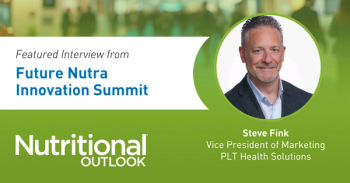
At the Future Nutra Innovation Summit, PLT Health's Steve Fink discusses joint, cognitive, and longevity nutrition explaining why "experiential longevity" is reshaping formulation strategy.
Latest research on magnesium L-threonate highlights cognitive, sleep, and stress benefits as demand for clinically backed brain health ingredients grows.
At Vitafoods Europe, ThreoTech will present new clinical findings on its magnesium L-threonate ingredient,
Magtein has become a focal point in the brain health category due to its ability to effectively deliver magnesium to the brain. This differentiates it from more common forms of magnesium and positions it as a targeted solution for consumers seeking mental performance and relaxation support.
Unlike traditional magnesium salts, magnesium L-threonate is known for its ability to cross the blood-brain barrier, increasing magnesium concentrations in the brain. This mechanism is key to supporting synaptic plasticity, neuronal signaling, and overall cognitive function.
The ingredient’s growing popularity also reflects broader consumer interest in proactive brain health, particularly as aging populations and high-stress lifestyles drive demand for cognitive support solutions.
ThreoTech’s clinical portfolio includes
In fact, notes, Rory Lipsky, Magtein’s executive vice president, “the science behind Magtein has never been stronger.”
One piece of research published earlier this year in Frontiers in Nutrition suggests that supplementation may improve working memory, attention, and reaction time, while also supporting better sleep quality and reduced stress markers.2
Magtein’s mechanism of action centers on regulating calcium channels and supporting synaptic density, which may help optimize brain signaling and reduce neural overstimulation. These effects are particularly relevant for consumers experiencing sleep disturbances or cognitive fatigue.
Magtein has also achieved regulatory milestones that strengthen its global market position. The ingredient
This approval underscores the importance of safety and efficacy data in gaining regulatory acceptance, while also providing a competitive advantage through data protection. Such developments are critical as companies navigate increasingly stringent global regulatory environments and consumer demand for transparency.
Magtein is already used in a wide range of finished products, including capsules, powders, beverages, and functional foods. Its neutral sensory profile and versatility make it suitable for diverse applications, from nootropic supplements to sleep aids and stress support formulations.
With new clinical data expected to further substantiate its benefits, Magtein may open additional opportunities in other areas that are to be determined.
As the brain health category continues to expand, ThreoTech’s latest research presentation signals a broader industry shift toward clinically substantiated ingredients. For formulators and brand owners, the emphasis on science-backed solutions is no longer optional, but rather a key driver of credibility and long-term success in the nutraceutical marketplace.
References
1. Threotech LLC. Threotech to present latest clinical data on Magtein at Vitafood Europe. April 20, 2025. Accessed April 20, 2026.
2. Lopresti AL, Smith SJ. Effects of magnesium L-threonate (Magtein) on cognitive performance and sleep quality in adults: a randomized, double-blind, placebo-controlled trial. Front Nutr. 2025;12:1729164. doi:10.3389/fnut.2025.1729164