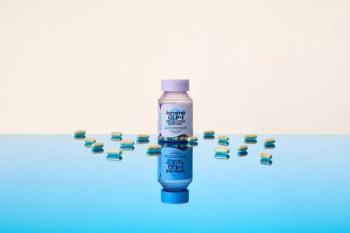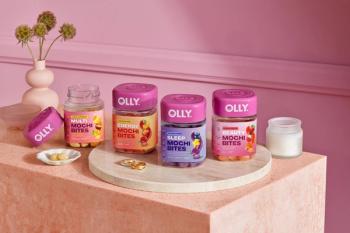
The four-formula line is Olly’s second retailer-exclusive launch this year, following the launch of a probiotic range in April.
From energy and focus to long-term neuroprotection, the brain health category is rich with opportunities for unique and effective formulations.
There are numerous benefits that can be wrapped up in the category of brain health, including energy, stress management, mood support, sleep support, and of course, cognition. This provides the opportunity for a great deal of creativity and innovation in product development. As Kathryn Peters, SPINS’ head of industry relations, pointed out at this year’s Natural Products Expo West during the State of Natural and Organic keynote, “Cognitive health is really evolving. Every age group is focused as we’re all trying to manage the high-speed data stream of today’s life. Brain health is really evolving from not just memory support, but really to everyday improved mental performance, focusing on neuro protection and cognitive longevity as well as the stress and resilience of life day-to-day.”
“We know that stress-related symptoms and fatigue have become increasingly prevalent worldwide, representing a growing health concern, spanning generations of consumers,” adds Hemali Gunt, the director of clinical affairs at Thorne (Summerville, SC). “Chronic stress is frequently accompanied by symptoms such as fatigue, low energy, and reduced motivation, which can impair daily functioning and overall quality of life. In parallel, sleep disturbances have become increasingly common. Data from the Centers for Disease Control and Prevention indicate that up to 40% of adults report symptoms consistent with insomnia or poor sleep quality.”
All these factors are interconnected, but can be addressed in different ways.
Unfortunately, stress is all too common an experience, and while we understand it as that horrible feeling we sometimes get related to work, school, or even our personal lives, it’s also a nuanced physiological process that serves a purpose. According to Bryce Wylde, a natural health care practitioner with Cavu Nutrition, the main issue with stress is one’s ability to regulate stress. “The body is meant to have a response of stress called a cortisol surge, or an adrenaline surge. This we call sympathetic and we’ve heard of this as fight or flight, but then there’s a parasympathetic response that we refer to as rest and digest,” he explains. “That’s what we’re not so good at these days, is getting back to a rest and digest, this parasympathetic state.”
He explains that cortisol, a hormone released during stress, can be detrimental to health when stress is chronic. “When the adrenal glands that sit on top of your kidneys push the adrenaline and the cortisol for too long, it’s no good for the body,” he states. “Inflammation rises, something called reactive oxygen species, free radicals [increase]. You may have had this experience yourself: when you experience stress for too long, you get sick, your immune system can’t handle it anymore.”
Cavu therefore recently released its Cortisol Support product containing the standardized black seed extract, ThymoQuin, from TriNutra (Harrison, NY). The extract is supported by research conducted on endurance runners. In the study, 37 participants consumed 500 mg of the extract, or a placebo, daily for 4 weeks (3 weeks before and 1 week after running a marathon or half-marathon).1 The researchers used the physical stress of running to better replicate and measure the body’s response to stress, and its effect on the immune system. Participants completed surveys on mood and upper respiratory tract conditions (URTCs), and researchers collected samples to measure cortisol and microbiome changes.
After 3 weeks, the study observed a 44% reduction in cortisol levels in the test group compared to placebo. Subjects also reported improvements in perceived stress, sleep quality, and mood indicators. While both groups experienced increases in URTCs after the run, the total number of URTCs including cough, sore throat, sniffles, stuffiness, reported were 62% lower in the test group. No adverse effects were reported in either group.
“Cortisol is trending now in a huge way. People have deemed cortisol bad and vilified cortisol. And part of the message I like to get out there is that cortisol is not necessarily the enemy,” says Wylde. “It’s just bad when it’s too high for too long. So, the way that we’re positioning the Cavu Nutrition Cortisol Support is: how do we ensure balance back into your body? How do we make sure that we’re managing cortisol?”
Another herb that may support stress and mood is saffron. For example, research has shown that saffron extracts can have positive effects on mild to moderate depression, likely to due the facts that its constituents can increase glutamate and dopamine levels in the brain in a dose-dependent manner. Additionally, some research suggests that saffron may be beneficial for cognition in Alzheimer’s patients due to its antioxidant properties.2
There are a number of saffron extracts on the market, such as SaffronX from Maypro (Purchase, NY). “SaffonX is one of the few saffron ingredients supported by clinical data showing benefits for mood, stress, sleep, and emotional well-being,” says Lauren Clardy, Maypro’s senior director, scientific affairs and strategy. “Research suggests SaffonX may help support stress management and low mood, while also enhancing positivity, motivation, and emotional energy.”
Clardy also points to a patented extract of Apocynum venetum L. called Venetron. “Venetron, by contrast, is a unique Asian botanical with a different mechanism of action. It helps prevent serotonin degradation during the day and supports melatonin production at night, while also reducing the stress marker chromogranin A and supporting GABA activity,” she explains. “Together, these effects support mood, stress resilience, sleep, and anxiety management. Venetron has also been studied in women’s health, with clinical research tracking a full menstrual cycle and showing improvements in mood and pain levels.”
As one considers the many angles that could be taken when formulating a brain health product, it is worth exploring how these different ingredients and benefits can complement one another. “As consumers become more sophisticated, they are increasingly seeking stacked, synergistic formulas rather than single ingredients,” notes Clardy. “For complex areas such as the mental load, combining ingredients like magnesium, stress-supporting botanicals, and other targeted actives can provide more comprehensive support. While single-ingredient products remain available, the trend is clearly moving toward well-rounded, science-driven formulations.”
Take magnesium as an example. There are numerous forms of magnesium that manufacturers can use in cognitive health-related formulations. Thorne uses magnesium biglycinate. “Glycine-chelated magnesium (magnesium bisglycinate/glycinate) is generally better tolerated (less likely to cause loose stools) and is considered more bioavailable/absorptive than some inorganic forms (eg, magnesium oxide),” says Gunt. In an independent 28-day consumer study, Thorne’s magnesium product was found to improve sleep by 91%, the ability to stay calm in stressful situation by 94%, as well as stress levels, mood and focus by 84%.3
Another form called magnesium L-threonate, is marketed for cognitive health as Magtein by AIDP. A recently published randomized, double-blind, placebo controlled trial of 100 adults found that supplementation with the magnesium supplement at a dose of 2 g per day improved cognitive performance, working memory, episodic memory, and even reduced cognitive age by 7.5 years.4
As Clardy mentioned, there is a benefit to combining complementary ingredients into a single formula. Thorne, for example, offers consumers a product called Ginseng Plus. While panax ginseng is the “hero” ingredient, it is combined with lion’s mane, Greek mountain tea. “The combination of these ingredients…was intentionally designed to support multiple dimensions of cognitive performance and stress resilience by targeting complementary biological pathways,” says Gunt.
An ingredient like ginseng is associated with energy and performance. “Panax ginseng is a classic adaptogen that has been studied for its effects on the body’s stress response and energy metabolism,” explains Gunt. “Its active compounds, ginsenosides, have been shown to interact with neuroendocrine systems including modulation of the HPA axis as well as mitochondrial and neurotransmitter pathways.”
These benefits are the initial draw for consumers. Herein lies the dynamic that exists in the cognitive health space between acute and long-term benefits. “Consumers often look for perceptible short-term benefits such as changes in perceived energy, focus, or stress response, but many of the most meaningful outcomes in cognitive and stress-related health depend on consistent use over time,” says Gunt. Leveraging these benefits is important, but that alone is not enough.
“We select ingredients based on evidence suggesting they may influence pathways associated with both near-term effects and longer-term resilience,” she explains. “Ultimately, by combining ingredients that act through distinct but related biological pathways, the goal is to support both the immediate user experience and the long-term health outcomes that matter most. Balancing those two dynamics is important for product success.”
Looking at the other ingredients in the aforementioned formula, lion’s mane is centered on neurotrophic support, explains Gunt. “Compounds such as hericenones and erinacines have been shown in preclinical research and in some human studies to influence nerve growth factor signaling and support neurogenesis and neuroprotection,” she says.
Green mountain tea, for its part, is a rich source of polyphenols and flavonoids that offer antioxidant and anti-inflammatory benefits, while also promoting blood flow to the brain. “In the short term, it can help counterbalance acute stress by modulating oxidative stress pathways and over time contributes to cognitive function,” says Gunt.
In a recent 30-day consumer study3 conducted by Thorne on 89 healthy adults with low energy and moderate to severe stress, this formula was purported to improve energy by 85%, reduce perceived stress and improve mental clarity by 72%, and improve mood by 71%. This combination of benefits is highly desirable due to its impact on acute performance and long-term cognitive health.
Consumers want to actually feel the benefits of the products they’re taking, and this is especially true when it comes to energy, focus, and stress relief. Therefore, it’s important to leverage scientifically validated ingredients that complement one another in a way to offers both short-term impacts and long-term support.nce stress for too long, you get sick your immune system can't handle it anymore.”
Cavu therefore recently released its Cortisol Support product containing the standardized black seed extract, ThymoQuin, from TriNutra. The extract is supported by research conducted on endurance runners. In the study, 37 participants consumed 500 mg of the extract, or a placebo, daily for 4 weeks (3 weeks before and 1 week after running a marathon or half-marathon).1 The researchers used the physical stress of running to better replicate and measure the body’s response to stress, and its effect on the immune system. Participants completed surveys on mood and URTCs, and researchers collected samples to measure cortisol and microbiome changes.
After 3 weeks, the study observed a 44% reduction in cortisol levels in the test group compared to placebo. Subjects also reported improvements in perceived stress, sleep quality, and mood indicators. While both groups experienced increases in upper respiratory tract infections (URTCs) after the run, the total number of URTCs including cough, sore throat, sniffles, stuffiness, reported were 62% lower in the test group. No adverse effects were reported in either group.
“Cortisol is trending now in a huge way. People have deemed cortisol bad and vilified cortisol. And part of the message I like to get out there is that cortisol is not necessarily the enemy,” says Wylde. “It's just bad when it's too high for too long. So, the way that we're positioning the Cavu Nutrition cortisol support is: how do we ensue balance back into your body? How do we make sure that we're managing cortisol?”
Another herb that may support stress and mood is saffron. For example, research has shown that saffron extracts can have positive effects on mild to moderate depression, likely to due the facts that its constituents can increase glutamate and dopamine levels in the brain in a dose-dependent manner. Additionally, some research suggests that saffron may be beneficial for cognition in Alzheimer’s patients due to its antioxidant properties.2
There are a number of saffron extracts on the market, such as Maypro’s SaffronX. “SaffonX is one of the few saffron ingredients supported by clinical data showing benefits for mood, stress, sleep, and emotional well-being,” says Lauren Clardy, Maypro’s senior director, scientific affairs and strategy. “Research suggests SaffonX may help support stress management and low mood, while also enhancing positivity, motivation, and emotional energy.”
Clardy also points to a patented extract of Apocynum venetum L. called Venetron. “Venetron, by contrast, is a unique Asian botanical with a different mechanism of action. It helps prevent serotonin degradation during the day and supports melatonin production at night, while also reducing the stress marker chromogranin A and supporting GABA activity,” she explains. “Together, these effects support mood, stress resilience, sleep, and anxiety management. Venetron has also been studied in women’s health, with clinical research tracking a full menstrual cycle and showing improvements in mood and pain levels.”
As one considers the many angles that could be taken when formulating a brain health product, it is worth exploring how these different ingredients and benefits can complement one another. “As consumers become more sophisticated, they are increasingly seeking stacked, synergistic formulas rather than single ingredients,” notes Clardy. “For complex areas such as the mental load, combining ingredients like magnesium, stress-supporting botanicals, and other targeted actives can provide more comprehensive support. While single-ingredient products remain available, the trend is clearly moving toward well-rounded, science-driven formulations.”
Taking magnesium as an example, there are numerous forms that manufacturers can use in cognitive health-related formulations. Thorne uses magnesium biglycinate. “Glycine-chelated magnesium (magnesium bisglycinate/glycinate) is generally better tolerated (less likely to cause loose stools) and is considered more bioavailable/absorptive than some inorganic forms (e.g., magnesium oxide),” says Gunt. In an independent 28-day consumer study, Thorne’s magnesium product was found to improve sleep by 91%, the ability to stay calm in stressful situation by 94%, as well as stress levels, mood and focus by 84%.3
Another form called magnesium L-threonate, is marketed for cognitive health as Magtein by AIDP. A recently published randomized, double-blind, placebo controlled trial of 100 adults with self-reported disaffection with sleep found that supplementation with the magnesium supplement at a dose of 2 g per day improved cognitive performance, working memory, episodic memory, and even reduced cognitive age by 7.5 years.4
As Clardy mentioned, there is a benefit to combining complementary ingredients into a single formula. Thorne, for example, offers consumers a product called Ginseng Plus. While panax ginseng is the “hero” ingredient, it is combined with Lion’s Mane, Greek mountain tea. “The combination of these ingredients…was intentionally designed to support multiple dimensions of cognitive performance and stress resilience by targeting complementary biological pathways,” says Gunt.
An ingredient like ginseng is associated with energy and performance. “Panax ginseng a classic adaptogen that has been studied for its effects on the body’s stress response and energy metabolism,” explains Gunt. “Its active compounds, ginsenosides, have been shown to interact with neuroendocrine systems including modulation of the HPA axis as well as mitochondrial and neurotransmitter pathways.”
These benefits are the initial draw for consumers. Herein lies the dynamic that exists in the cognitive health space between acute and long-term benefits. “Consumers often look for perceptible short-term benefits such as changes in perceived energy, focus, or stress response but many of the most meaningful outcomes in cognitive and stress-related health depend on consistent use over time,” says Gunt. Leveraging these benefits is important, but that alone is not enough.
“We select ingredients based on evidence suggesting they may influence pathways associated with both near-term effects and longer-term resilience,” she explains. “Ultimately, by combining ingredients that act through distinct but related biological pathways, the goal is to support both the immediate user experience and the long-term health outcomes that matter most. Balancing those two dynamics is important for product success.”
Looking at the other ingredients in the aforementioned formula, lion’s mane is centered on neutrophic support, explains Gunt. “Compounds such as hericenones and erinacines have been shown in preclinical research and in some human studies to influence nerve growth factor signaling and support neurogenesis and neuroprotection,” she says.
Green mountain tea, for its part, is a rich source of polyphenols and flavonoids that offer antioxidant and anti-inflammatory benefits, while also promoting blood flow to the brain. “In the short term, it can help counterbalance acute stress by modulating oxidative stress pathways and over time contributes to cognitive function,” says Gunt.
In a recent 30-day consumer study3 conducted by Thorne on 89 healthy adults with low energy and moderate to severe stress, this formula was purported to improve energy by 85%, reduce perceived stress and improve mental clarity by 72%, and improve mood by 71%. This combination of benefits is highly desirable due to its impact on acute performance and long-term cognitive health.
Consumers want to actually feel the benefits of the products they’re taking, and this is especially true when it comes to energy, focus, and stress relief. Therefore, it’s important to leverage scientifically validated ingredients that complement one another in a way to offers both short-term impacts and long-term support.
References
5 months ago
Thinking Like a Contract Manufacturer5 months ago
Bone Health in Men: Important but Neglected6 months ago
The Cardiometabolic Lens6 months ago
The Science Behind Fermented Foods