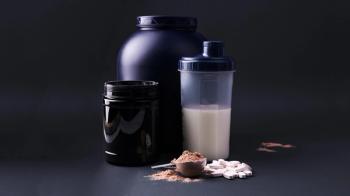
A panel at The Outlook on Active Nutrition discussed quality in sports nutrition focused on testing, liability, and what buyers now expect from suppliers.
With a positive EFSA opinion in hand, Nutriearth highlights a bioactive vitamin D3 oil and functional powder designed for improved absorption, lower dosing, and sustainable fortification strategies at Vitafoods Europe.
Nutriearth1 is spotlighting a new lineup of natural vitamin D3 ingredients at Vitafoods Europe 2026, emphasizing data showing higher absorption compared to conventional sources, as the company prepares for anticipated European market authorization of its flagship bioactive oil.
According to company press release,2 its vitamin D₃-rich oil demonstrated 3.3 times higher absorption than lanolin-based sources and 2 times higher absorption than lichen-derived alternatives, positioning it as a potential solution for both dietary supplements and functional foods.
The ingredient, which has already received a positive opinion from the European Food Safety Authority, is expected to enter the European market pending final authorization.
At the event, held May 5–7 in Barcelona, Nutriearth is presenting a portfolio of vitamin D3 ingredients designed for nutraceutical and food fortification applications. The centerpiece is its bioactive vitamin D3 oil, already commercialized in North America, alongside N-utra, a powder format currently available in Europe.
The company will also demonstrate real-world application through a fortified food prototype, a madeleine delivering 25% of the recommended daily intake of vitamin D3, highlighting the ingredient’s versatility across food matrices.
The company attributes its ingredient performance to a patented biomimetic production process designed to replicate how the human body naturally synthesizes vitamin D. Unlike conventional sources such as lanolin (sheep wool-derived) or lichen, Nutriearth’s vitamin D3 is produced using an edible insect (Tenebrio molitor), enabling what it describes as a “step-change” in bioavailability.
Beyond absorption, the company reports that its vitamin D3 supports more stable serum vitamin D levels at lower doses, a claim that could be significant for formulators seeking to optimize efficacy while managing label claims and dosage constraints.
This focus on bioavailability aligns with growing industry emphasis on nutrient efficiency and clinical performance, particularly in categories like bone health, immunity, and active nutrition. In fact,
In addition to performance claims, Nutriearth is positioning its ingredient around sustainability and clean-label production. The company states that its process is chemical- and solvent-free and delivers up to 8 times lower environmental impact compared to traditional vitamin D3 sources.
For manufacturers, these attributes may support product positioning in categories where environmental impact and sourcing transparency are becoming more influential in purchasing decisions.
From a formulation perspective, the availability of both oil and powder formats offers flexibility across supplement delivery systems and functional foods, potentially enabling lower-dose formulations with maintained efficacy.
Vitamin D remains one of the most widely used ingredients in dietary supplements and fortified foods, but differentiation has historically been limited to dosage and format. Nutriearth’s approach reflects a broader shift toward performance-driven innovation, where absorption, bioavailability, and sustainability are emerging as key competitive factors.
As regulatory pathways evolve and new ingredient technologies gain traction, companies are increasingly looking for ways to enhance efficacy without increasing dose levels, particularly in markets with strict upper intake limits.
References
1. Nutriearth homepage. Nutriearth. Accessed May 6, 2026.
2. Nutriearth to showcase its new-generation of natural vitamin D3, offering superior absorption at Vitafoods Europe 2026. Nutriearth. April 23, 2026. Accessed May 6, 2026. Press release provided via email.