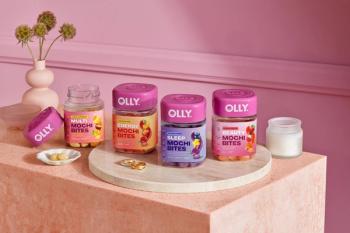
The four-formula line is Olly’s second retailer-exclusive launch this year, following the launch of a probiotic range in April.
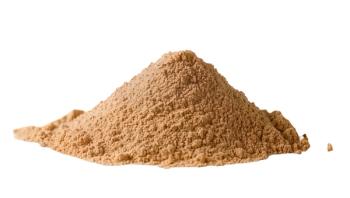
Out of 35 oregano oil supplements on Amazon, NOW testing finds nearly two-thirds fail carvacrol potency claims, highlighting ongoing quality and testing challenges in the nutraceutical industry.
NOW has released new internal and third-party testing data pointing to significant quality and labeling inconsistencies in oregano oil dietary supplements sold on Amazon. The results highlight broader concerns about transparency and supply chain accountability within the nutraceutical industry, an April press release from the company explains.1
The company evaluated 35 oregano oil products—two bottles of each product purchased in February 2026—including NOW’s branded product, using both in-house analytical methods and independent verification from ISO 17025-accredited laboratory Eurofins. According to the findings, nearly two-thirds of tested products failed to meet their labeled potency for carvacrol, the primary bioactive compound associated with oregano oil’s functional benefits. Notably, six products contained no detectable levels of carvacrol.
Testing was conducted using high-performance liquid chromatography (HPLC), a method selected for its specificity in isolating and quantifying carvacrol particularly in the presence of structurally similar compounds such as thymol. Of the 35 products tested, only 14 met their labeled claims for carvacrol, and fifteen products delivered less than 8% of their stated carvacrol content.
Oregano oil, derived from Origanum vulgare, is commonly positioned for its role in supporting intestinal flora balance, NOW explains. Its efficacy is closely tied to carvacrol content, which typically ranges between 55% and 90% in properly standardized oils.
NOW’s own oregano oil products, in both softgels and liquid formats, were among those that met or exceeded labeled carvacrol claims in the analysis.
The product testing highlighted methodological concerns that may contribute to inflated potency claims in the marketplace, NOW notes. Non-specific analytical approaches, such as spectrophotometric assays, can misidentify or overestimate carvacrol levels due to interference from other constituents, the company explains. In contrast, chromatographic methods like HPLC provide more reliable differentiation.
In addition to analytical variability, NOW suggested that manufacturing practices may be a contributing factor. A preliminary review of product labeling and presentation indicated that many of the tested supplements may originate from a limited number of contract or private-label manufacturers. This raises questions about product testing across brands and the supply chain. While contract manufacturers play a central role in production, brand owners, distributors, and retailers are equally accountable for ensuring product quality and compliance, NOW stated.
According to company leadership, the results reflect ongoing challenges in maintaining quality consistency in a rapidly expanding e-commerce environment. “This round of testing was disappointing, with nearly two-thirds of the brands failing carvacrol testing,” stated Katie Banaszewski, NOW Senior Director of Quality. “NOW’s in-house analytical testing paired with Eurofins’ independent verification underscores the importance of scientifically valid methods. NOW will continue to purchase and test products sold on major online platforms and publicly share the results to encourage higher quality standards across the supplement industry.”
As consumer demand for botanical supplements continues to grow, the study underscores the need for robust analytical validation, transparent labeling, and stronger oversight throughout the value chain to ensure product integrity.
In the past few years, NOW has conducted multiple product test similar to this one.
This article was created with assistance from AI. The content has been reviewed and edited by Erin McEvoy, Associate Editor. For more information on the extent and nature of AI usage, please contact us.
References