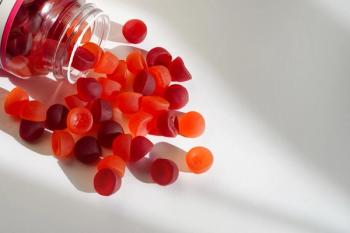
The company says the innovation, built on its CoreNhanced BioJourney platform, is designed for beverage and gummy formats.
HTBA launches the citrus-derived ingredient citrose, an upcycled high-intensity sweetener to address sugar reduction and GLP-1 sensory preferences.
HealthTech Bio Actives (HTBA), a manufacturer of citrus flavonoids and vitamin B12 active forms, has announced the launch of citrose, a patented, high-intensity sweetener complex.1 The ingredient is scheduled to debut at the IFT FIRST trade show in Chicago this July, targeting product developers, R&D teams, and procurement specialists.
The launch occurs amid notable shifts in consumer preferences. Market data cited by HTBA indicates that 76% of global consumers seek to limit their sugar intake, while 85% of Americans prioritize taste and texture.2 Additionally, the increasing popularity of GLP-1 medications has influenced consumer sensitivity, leading to a heightened awareness of artificial tastes. Traditional sugar reduction strategies often introduce formulation hurdles, including bitterness, lingering aftertastes, poor mouthfeel, and complex chemical labeling on packaging.
In a recent press release, HTBA described citrose as possesses an estimated sweetness potency several hundred times that of sucrose. The sweetener is derived from immature Citrus aurantium fruits that have naturally fallen to the ground, and following collection and sun-drying, the raw material undergoes processing via HTBA’s proprietary methods.
Because of its sourcing and manufacturing method, the ingredient has achieved Upcycled Certified status. In the United States, the product can be declared on ingredient labels under the common name "citrose".
According to HTBA, the citrus-derived complex provides a rapid sweetness onset with reduced off-notes and diminished lingering aftertaste compared to traditional high-intensity options. The ingredient is designed for zero- and reduced-sugar applications across multiple categories, including:
In a consumer sensory and perception study conducted by the company, the ingredient name "citrose" was viewed more favorably by participants than established sweeteners such as stevia, sucralose, aspartame, and acesulfame-K.3 Consumers evaluated citrose as comparable to stevia regarding naturalness and scored it higher for taste authenticity. The survey included 500 participants and results depend on formulation, dosage and application, the company notes.
Furthermore, sensory testing indicated that citrose-sucralose blends achieved high ratings across key taste attributes, while citrose-stevia blends were perceived as virtually identical to a standard stevia-sugar combination. HTBRA highlights that for food and beverage formulators, these blending dynamics suggest utility in modifying high-intensity blended sweetener systems, rounding out the flavor profile of stevia, restoring mouthfeel fullness, or masking the sensory load of functional ingredients.
Emily Wagener, Global Product Manager for Taste Modulation at HTBA, noted that food and beverage manufacturers remain under persistent pressure to reduce sugar content without sacrificing the sensory. “Citrose can help producers to improve sweetness quality without the tradeoffs, which is why we’re incredibly excited to introduce this new offering to product developers, R&D teams, and procurement professionals attending IFT FIRST,” she explains. “The timing is right, with the industry’s focus on sugar reduction and the growing influence of GLP-1 users who are more sensitive to artificial tastes.”
HTBA representatives will showcase the citrose complex at IFT FIRST to address inquiries from product developers and procurement teams. The ingredient joins HTBA’s existing portfolio of taste modulation solutions manufactured at its facility in Murcia, Spain.
Headquartered in Barcelona, Spain, the company has operated for more than 45 years. It utilizes dedicated ideation centers in both Spain and its North American operations center in Ohio to respond to changing global consumer demands.
References