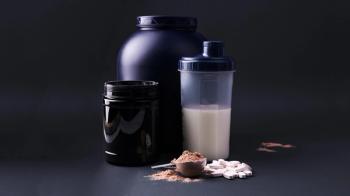
A panel at The Outlook on Active Nutrition discussed quality in sports nutrition focused on testing, liability, and what buyers now expect from suppliers.
California Natural Color's showcase at this year's IFT event reflects a broader industry shift toward reformulating red-hued products, as synthetic dye alternatives face increasing regulatory pressure.
Manufacturers formulating red-hued food and beverage products are facing a narrowing set of synthetic options, a shift that ingredient suppliers are responding to at this year's Institute of Food Technologists (IFT) Annual Event and Expo, known as IFT FIRST, taking place July 13-15 in Chicago.
California Natural Color, a supplier of natural colors and grape-derived ingredients, will be showcasing its portfolio of plant-based color solutions at the event, timed to a period of accelerating reformulation activity across the industry.1
"While consumer demand for clean label, all-natural products is driving an increase in usage across all natural colors, red has been a particular area of focus following FDA policies regarding FD&C Red No. 3 and Red No. 40," commented Dana Osborn, marketing manager at California Natural Color. "Our portfolio of natural color solutions offers red hues derived from a variety of plant sources, including carrot, radish, beet and grape. These options offer manufacturers a range of capabilities, from softer red shades to vibrant reds that pop on the shelf."
The regulatory landscape for certified color additives has shifted meaningfully in recent years, with the FDA revoking authorization for FD&C Red No. 3 in food and ingested drugs and facing continued scrutiny over Red No. 40's use in products marketed to children.
That regulatory pressure, combined with retailer and consumer preference for recognizable ingredient labels, has pushed manufacturers to evaluate plant-derived alternatives earlier in the product development process rather than treating reformulation as a reactive, last-resort step.
Natural colorants derived from anthocyanins, betalains, and carotenoids—pigments naturally occurring in produce such as beets, carrots, and grapes—are among the most commonly used replacements, though each carries different stability, pH sensitivity, and heat tolerance considerations compared with synthetic dyes.
Beyond color, California Natural Color is highlighting MegaNatural-BP, a proprietary grape seed extract, in a functional beverage concept developed with PLT Health Solutions. According to the company, the ingredient delivers a comparatively low effective dose of 150 to 300 mg per serving and is supported by peer-reviewed clinical research on cardiovascular health and blood pressure.
The ingredient's blood pressure-related claim has been formally evaluated by the European Food Safety Authority, whose scientific panel reviewed submitted human intervention studies as part of a formal health claim assessment process, concluding that 1 of the 2 studies reviewed showed an effect on blood pressure in adults with normal and elevated baseline readings.2
The strength of clinical evidence behind a branded ingredient does not automatically transfer to every finished product it's incorporated into, particularly when dosing, matrix, or serving size differs from what was studied.
The European regulatory review process illustrates this distinction directly: only 1 of the 2 submitted human studies was found by evaluators to support a blood pressure-related effect, underscoring that not all trials conducted on an ingredient necessarily produce consistent outcomes.¹
Manufacturers considering similar functional beverage applications should verify that their specific formulation and dosing align with the conditions under which supporting research was conducted, rather than relying on the ingredient's general reputation.
Alongside its booth presence, California Natural Color is participating in a session titled "Natural Colors in Focus" on the show's Science Live Stage, presented by Bill McMorran, president of NATCOL and vice president and general manager of California Natural Color, covering research on consumer attitudes toward natural colors.
References
1. California Natural Color. California Natural Color to showcase natural color solutions at IFT FIRST 2026. July 13, 2026. Accessed July 13, 2026. Press release provided via email.
2. EFSA Panel on Nutrition, Novel Foods and Food Allergens. Scientific opinion on MegaNatural-BP grape seed extract and maintenance of normal blood pressure: evaluation of a health claim pursuant to Article 13(5) of Regulation (EC) No 1924/2006. EFSA J. 2021;19(8):e6776. doi:10.2903/j.efsa.2021.6776