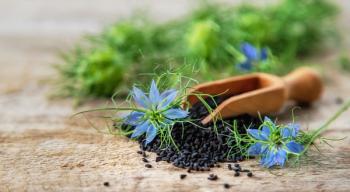
CHAKHAN Co. has launched a black seed oil supplement in South Korea built on TriNutra's ThymoQuin ingredient, extending the branded ingredient's international footprint into a market where it has not previously been sold under a local retail brand.
As bovine colostrum gains traction across gut health, immunity, sports nutrition, and beauty-from-within categories, research and industry coverage continue to examine the ingredient’s efficacy, quality considerations, and evolving applications in dietary supplements.
Colostrum, typically sourced from bovine milk, has become a growing ingredient of interest in dietary supplements due to its naturally occurring immunoglobulins, growth factors, and bioactive peptides.
The ingredient has seen
Below are frequently asked questions surrounding this up-and-coming ingredient.
Bovine colostrum is the first secretion produced by cows after calving and serves as a survival-critical nutrient source for newborn calves. It differs substantially from mature milk in both composition and function.1
Compared to regular milk, colostrum contains:
These compounds are intended to provide passive immunity and
Colostrum is increasingly recognized as a multi-functional bioactive ingredient with potential applications across several areas of health. Its composition, rich in immune proteins, growth factors, and other bioactives, has driven interest in its role in supporting immune function, gut integrity, recovery, and skin health.
Overall, systematic reviews suggest potential but not definitive efficacy across these endpoints.
Colostrum is one of the most actively researched dairy-derived ingredients in gastrointestinal science.
Mechanistically, it may support gut health through:
Research suggests potential benefits in conditions involving compromised gut barrier function (e.g., NSAID-induced gut stress or exercise-induced permeability changes).2.3 However, effects vary significantly by population and study design, highlighting both promising mechanistic rationale and the need for larger controlled human trials.
Colostrum contains immunoglobulins (primarily IgG), lactoferrin, and other antimicrobial proteins that may influence mucosal immunity.
Rather than directly “boosting” systemic immunity, its effects are thought to occur primarily in the gastrointestinal tract, where:
Colostrum is also commonly positioned in sports nutrition due to its protein content and growth factor profile.
Proposed mechanisms include:
In a review of clinical trials involving athletes, bovine colostrum supplementation has been associated with potential immune-support benefits, including enhanced immune function, protection against illness, and mitigation of post-exercise immune suppression following periods of intense physical stress.4
Similarly, in a randomized, double-blind, placebo-controlled crossover study, 28 endurance-trained male athletes consumed 25 g of bovine colostrum daily over 12 weeks.5 The findings suggested that colostrum may act as a “potential stimulator of local immune defense after exercise-induced homeostasis disturbances” and could help reduce the incidence of upper respiratory tract infections.
However, the authors noted that further research is needed to better clarify the underlying immunological mechanisms driving these effects.
While additional research is still needed, emerging evidence6 suggests that colostrum may offer benefits for skin health and healthy aging due to its unique composition of bioactive compounds. It naturally contains hyaluronic acid, which helps retain moisture and support skin hydration, as well as lactoferrin, known for its antimicrobial properties that may contribute to skin defense.
As noted above, colostrum also provides immunoglobulins that support immune function, alongside growth factors that may play a role in collagen production and skin structure. Additionally, the presence of telomerase-related activity has been explored for its potential role in maintaining cellular integrity and supporting longevity-related processes, though these effects require further clinical validation.
Colostrum is generally considered safe for most healthy adults when consumed in typical supplement doses.
Clinical studies report a low incidence of adverse effects, with the most common being:
Because colostrum is biologically active and not tightly regulated as a drug, product quality is a significant factor in safety and consistency.
Quality is one of the most important differentiators in the colostrum category due to variability in sourcing and processing.
Key quality markers include:
Research consistently shows that bioactive composition can vary widely based on production methods, making quality control a central issue in supplement efficacy.
References
1. Yalçıntaş YM, Duman H, López JMM, Portocarrero ACM, Lombardo M, Khallouki F, Koch W, Bordiga M, El-Seedi H, Raposo A, Alves JLB, Karav S. Revealing the potency of growth factors in bovine colostrum. Nutrients. 2024;16(14):2359. doi:10.3390/nu16142359.
2. Hajihashemi P, Haghighatdoost F, Kassaian N, et al. Bovine colostrum in increased intestinal permeability in healthy athletes and patients: a meta-analysis of randomized clinical trials. Dig Dis Sci. 2024;69:1345-1360. doi:10.1007/s10620-023-08219-2.
3. Karakülah YS, Yalçıntaş YM, Bechelany M, Karav S. Clinical applications of bovine colostrum in gastrointestinal disorders: mechanisms, evidence, and therapeutic potential. Int J Mol Sci. 2025;26(21):10673. doi:10.3390/ijms262110673.
4. Yalçıntaş YM, Baydemir B, Duman H, et al. Exploring the impact of colostrum supplementation on athletes: a comprehensive analysis of clinical trials and diverse properties. Front Immunol. 2024;15:1395437. doi:10.3389/fimmu.2024.1395437.
5. Durkalec-Michalski K, Główka N, Podgórski T, Woźniewicz M, Nowaczyk PM. The effect of 12-week high-dose colostrum bovinum supplementation on immunological, hematological, and biochemical markers in endurance athletes: a randomized crossover placebo-controlled study. Front Immunol. 2024;15:1425785. doi:10.3389/fimmu.2024.1425785.
6. Bolat E, Karagöz Z, Alves JLB, et al. The potential applications of natural colostrum in skin health. Cosmetics. 2024;11(6):197. doi:10.3390/cosmetics11060197.