
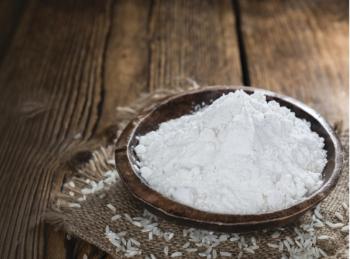
Traditionally, chemically modified starches have been the go-to solution for texture and stability, as native, clean-label starches were not reliable for maintaining textural stability in response to harsh conditions such as freezing and high heat.
Traditionally, chemically modified starches have been the go-to solution for texture and stability, as native, clean-label starches were not reliable for maintaining textural stability in response to harsh conditions such as freezing and high heat.

New research and new delivery formats are shaking up the men’s supplements space as more men turn to healthy-aging products.

Today’s sweetener suppliers and manufacturers have developed a number of creative solutions for clean-label sugar reduction. Much of this work involves finding the right combination of high-intensity sweeteners, and bulking agents, to replicate the flavors and textures we get with sucrose.

Consumers want science-backed ingredients. Companies are answering the call.

What’s in a name? When that name applies to an oat “milk,” soy “cheese,” or macadamia nut “ice cream,” the answer may be: the seeds of controversy.
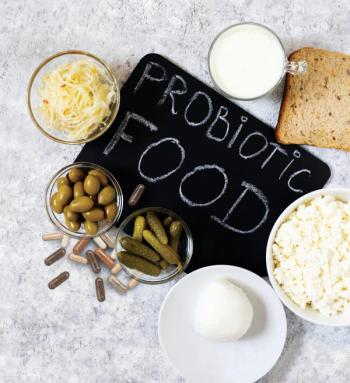
Does probiotics’ future lie in foods, beverages, supplements-or all three?

Food and drink formulators are leveraging the health benefits of probiotics, prebiotics-and, increasingly, both together as synbiotics.

The definition of a dietary substance in FDA's New Dietary Ingredient draft guidance differs greatly from the definition of a dietary ingredient under DSHEA, the actual law governing supplements.

What can this rare sugar do that other alternative sweeteners can’t?