

Compared to processed fish oil, live marine algae are more bioavailable and sustainable, the company says.

Jennifer Grebow is the former editor-in-chief of Nutritional Outlook, an award-winning media-content provider in the dietary supplement and natural products market. Nutritional Outlook, an MJH Life Sciences brand, provides insights and industry updates critical to manufacturers of dietary supplements, healthy foods, and nutritious beverages. Nutritional Outlook keeps industry abreast of current market trends, research updates, news, and regulatory developments. Nutritional Outlook goes beyond the 24-hour news cycle and provides in-depth analysis to help industry players navigate the challenges and changes in the near- and long-term. Nutritional Outlook is a brand of MJH Life Sciences, the largest privately held, independent, full-service medical media company in North America, dedicated to delivering trusted health care news across multiple channels.
Compared to processed fish oil, live marine algae are more bioavailable and sustainable, the company says.
This meta-analysis now throws the biggest support to date for the demand spike for organic foods.

Will the current push for sex-specific analysis in pharma research inspire changes for dietary supplements, too?
In late June, ingredients giant DSM announced it is preparing to add fermentation-derived stevia to its platform.
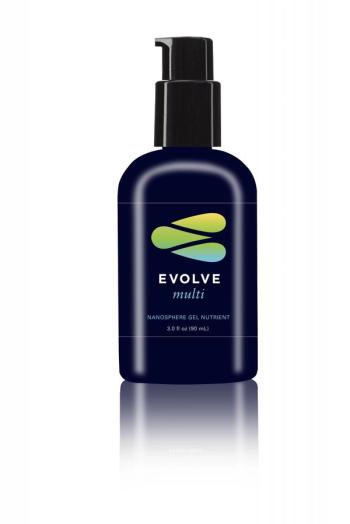
Evolve Nutrients says lipid nanoparticles are more bioavailable-potentially up to six times more bioavailable than traditional pill or capsule supplements.

USCHPA reported that on July 1, China’s National People’s Congress passed draft reform of China’s Food Safety Law.

Evidence for-or against-vitamin D testing is still “insufficient,” the U.S. Preventive Services Task Force said last week.
Beef fortified with DHA and EPA omega-3 fatty acids is getting closer to market.

A French government report raised questions about meso-zeaxanthin safety and sparked renewed debate over zeaxanthin isomers.
Companies can apparently sue over labels that are FDA compliant. But it could be worse.

The host of HBO’s “Last Week Tonight” called supplements industry “shockingly unregulated.”
According to study researchers, the nanoparticles in dietary supplement drinks may decrease the number of villi in the small intestine.
It's not FTC action alone.
Dr. Oz said he is "second-guessing" the way he presents weight-loss supplements on his television show.
“It's time to recognize [probiotics’] potential role as a simple and natural tool in cholesterol management."
Does this ruling open opportunities for companies to sue over food labels already compliant with FDA’s Food, Drug and Cosmetic Act?

IFT Annual Meeting and Food Expo exhibitors talk about this complex market.

One Commissioner calls FTC’s requirements “unduly high."
The good news? China is considering making major changes to its regulatory process.

Pharma and supplement are both fishing from the same supply pool now.

There is great potential for nutrigenomics in dietary supplements; less so for nutrigenetics.

“Jimmy Kimmel Live” hit the L.A. streets to find out which gluten-avoiders know what gluten actually is.
“It does not in any manner look to me like consumers will be better informed or that lawsuits will reduce."

Antiaging, functional foods, and EU regulatory developments take center stage.

Federal versus state laws. Mandatory versus voluntary laws. Which is the clear path for GMO labeling?
“The Green Mountain State” could soon be the third state to approve mandatory GMO labeling.
The ingredient marketing machine.

DianaPlantSciences says it can build a better ingredient using plant cell culture technology.
And is there enough consumer demand to meet the new supply?
Comparing bioavailability data isn't as simple as it seems.