
News|Videos|September 24, 2026
What Supplement Companies Can Do Now on the Dietary Supplement Innovation Act
Author(s)Todd Harrison, Erin McEvoy
Part 2 of our interview with Todd Harrison, co-chair of the FDA practice group at Venable LLP covers preclusion's structural gaps: no defined end point, no tracking registry, and a push for mandatory drug-sponsor engagement.
Advertisement
In this second installment of our conversation with Todd Harrison, co-chair of the FDA practice group at Venable LLP, we turn to the practical consequences of gaps in the
Harrison argues that supplement manufacturers deserve transparency from FDA about active IND filings before they invest in a new dietary ingredient notification—pointing out the disconnect between the country's broader transparency values and the secrecy surrounding the drug approval pipeline. He also proposes a concrete fix: requiring drug sponsors to demonstrate "active engagement" in moving their trials forward, rather than allowing preclusion to sit indefinitely and passively block ingredient innovation.
On the path forward, Harrison offers direct advice to industry: encourage trade organizations to formally reject the Phase 2 language, and manufacturers need to engage their own congressional representatives directly to voice which parts of the bill work and which don't.
Transcript is below.
Erin McEvoy: You've also mentioned that the bill sets no defined end point for post-approval preclusion and doesn't create a dedicated drug preclusion registry. So, what are the consequences of those gaps for supplement manufacturers, and what kind of actions from Congress would you consider most workable in closing them?
Todd Harrison: I think the best way to do that is, I think that I think there should be, for me, there should be a way that that supplement companies, if it's a new dietary ingredient, should be able to go to FDA and say, I have a new dietary ingredient, I'm going to file a notification. And FDA should be able to tell them whether there's a there's active clinical trials going on, IND. It should be that simple. I never really, I don't understand, quite frankly, if we are as a country believe in transparency, why INDs are held secret anyway. Why are they? I'm kind of confused about that to begin with.
We, to me, the whole drug approval process should be open. I mean, up until the it should be closed up until the point I start doing clinical investigations in which I'm enrolling patients. You know, most of those moieties have patent protection, so it's, I don't know what we're protecting at that point. I mean, I guess there there's maybe concerns from a, maybe the concern is that it could influence stock prices? I don't know. I don't understand that, but there has to be some mechanism in which FDA has to be able to tell people that if I'm filing a new dietary ingredient notification, that there's an issue. Because if they don't know, and you find out 10, 7 years down the road, and the ingredient's been out there for 7 years, that that's not helpful for anybody.
McEvoy: Definitely. No, that's a fair point, for sure. So looking ahead towards, you know, the future, the bill has, it sounds like, a lot of, support from industry organizations. So what might manufacturers expect as the bill moves through committee consideration and how should companies stay informed and engaged along the way?
Harrison: So, I think what companies should do, first of all is let their organizations know that they're not happy with the Phase 2. I think they should make it very clear that needs to come out, and they should. And to the extent that the organizations didn't realize what Phase 2 meant, then they need to go back and they need to remove that. Phase 2, the Phase 2 language needs to come out. I think that they need to engage with their trades, but I also think they need to engage with their own congressmen. I think they need to let their own congressmen know that there are elements of this bill that they don't like, because we want a good bill. And in the end, right now, how structured, there's parts of this bill that I really like, and there's parts of these bills that, but the core part, the thing that matters the most, things that get precluded, that Phase 2is just it is the worst part of this bill. Phase 2 is the worst part of this bill. If I could correct anything, that's what I would correct out of this bill. And then the other things, I would correct the 7 years.
I actually developed some preclusion language basically where the that the sponsor of the trials have to show active involvement. I mean, in other words, show that you're continually moving the study forward, where here, here's a solution that you have to show that you're actively engaging and trying to get the drug through. It’s language that is very good language because what it does is that it tells it tells the companies seeking the drug approval that, You can't just sit there. If you're serious about getting drug approval, then you need to make sure you're doing what you need to do. The longest you could sit and let it stay idle under my concept is like two years, and so I think that that's one way of doing. So have, make it, rather than being a passive system, make it an active system. Have the pharmaceutical company or the drug company make them continue to do their work. It's not that, and it's not even under the system I envision, it's not hard for them to do it, they just have to show active engagement.
Advertisement
Related to this article
Todd Harrison, co-chair of the FDA practice group at Venable LLP, details the Dietary Supplement Innovation Act's language, its unintended consequences, and what industry stakeholders should watch for.
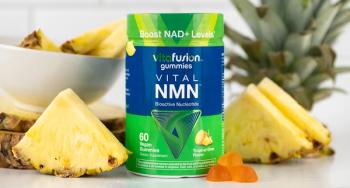
Piping Rock Health Products has launched a 300-mg NMN gummy under its Vitafusion brand, arriving less than a year after the FDA reversed its position on whether the ingredient could legally be sold as a dietary supplement.

The Dietary Supplement Innovation Act, introduced by Rep. Harshbarger, would cap indefinite preclusion, require science-based review standards, and open FDA warnings to court challenge.
At the Future Nutra Innovation Summit, Sibyl Swift, PhD, founder and principal of Swift Strategy Group, discusses supplement oversight and unpacks why mandatory product listing divides the industry.
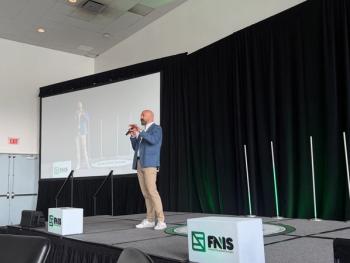
The inaugural Future Nutra Innovation Summit opened with organizers pitching a networking-first alternative to the traditional trade show, followed by an NSF presentation on certification failure rates and consumer trust that set a tone for the rest of the event.

This overview outlines the clinical background, consumer landscape, and technical developments shaping the gluten-free category.

The company's newest chewable concepts pair postbiotics with biotin and vitamin D3 to support skin, hair, and immune health.

The company's "IVC Advantage" pairs market research with formulation and manufacturing scale for brands launching products.
Advertisement
Advertisement
Trending on Nutritional Outlook - Supplement, Food & Beverage Manufacturing Trends
1
Redefining Drug Preclusion: Legal Perspectives on the Dietary Supplement Innovation Act
2
Concordix Targets Beauty and Immune Health With New Chewable Concepts at SupplySide Global 2026
3
International Vitamin Corporation to Highlight Manufacturing and Innovation Capabilities at SupplySide Global 2026
4
New Trial Compares a Black Cumin Seed Oil Ingredient Directly Against Melatonin for Sleep
5