Live from the Future Nutra Innovation Summit, Kerry Hughes, founder and president of Ethnopharm, explains why botanicals' complex compound networks represent nutrition's next innovation frontier.
While adaptogens do not have an official scientific classification, they offer a compelling solution to chronic stress, informed by traditional Eastern practices, but approached through a more modern Western lens.
You have likely heard of adaptogens, which are herbs that help our bodies adapt to stressors. A 2020 article published in Integrative Medicine Research1 describes adaptogenic herbs as “plant medicines which have traditional associations with herbal ‘tonics’ and promote homeostasis and non-specifically increase resistance to stress.” That same article, however, notes that there is not sufficient clinical data for standardizing the concept by regulatory bodies, nor is there much clarity on how these ingredients are used or understood by herbalist clinicians.
According to Holly Johnson, chief scientific officer of the American Herbal Products Association (AHPA; Silver Spring, MD), the history behind the concept of adaptogens as we understand them today dates back to World War II. “In the 1940s, during WWII, the concept that a pill could improve mental and physical performance in healthy people was investigated, and various stimulants were tested on pilots and submarine crews that were clearly operating in stressful environments,” she explains. “In the 1950s and 60s, the idea of using medicinal plants to increase stamina and survival in potentially harmful environments was further developed by researchers in the USSR, and the concept of ‘adaptogens’ was introduced by Russian toxicologist Nikolay Lazarev to describe compounds which can increase ‘the state of non-specific resistance.’”
Johnson too notes that there is no well-established scientific classification for adaptogens, and while many plants and fungi that have been described as adaptogens by various authors and influencers, there are only a few herbs that have been scientifically demonstrated to increase non-specific resistance to stressors. “Andrographis paniculata, Eleutherococcus senticosus, Panax spp., Rhodiola rosea, Schisandra chinensis, and Withania somnifera are the main adaptogens I think of with solid evidence,” says Johnson.
Most of these herbs have their origin in Traditional Chinese Medicine and Ayurveda, and based on the article in Integrative Medicine Research, most practitioners agree that adaptogens are a Western concept rooted in Eastern medicinal practices. Therefore, the adaptogenic benefits of many herbs that have clinical substantiation also have a long history of traditional usage for similar purposes.
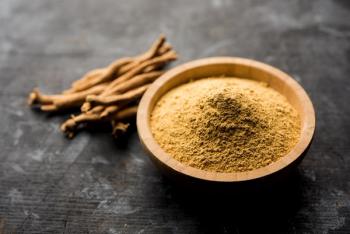
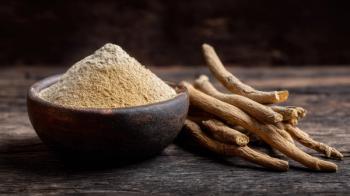
The scientific research around adaptogenic herbs continues to grow, and frankly, the benefits of adaptogens are characterized by a range of benefits that include antistress, nootropic, immune heath, and antioxidant properties.2 For example, Andrographis paniculata’s primary bioactive compound andrographolide has been shown to offer antioxidant defenses by directly neutralizing free radicals, and by protecting mitochondrial integrity.2 When it comes to the ingredients impact on stress, one animal study found that an extract of the herb and the pure andrographolide significantly reduced or prevented pathological changes due to stress, such as body weight, ulcers and depressive state, as well as the expression of inflammatory biomarkers induced by chronic stress.3 Withania somnifera, more commonly known as ashwagandha, was used as a reference anti-stress agent, and offered similar benefits. Standardized for the bioactive withanolide, ashwagandha is among the most popular adaptogenic herbs on the market.
A recent review on the effects of adaptogenic plants on stress meta-analyzed the results for ashwagandha, and found that the herb significantly reduced cortisol levels and scores on the Perceived Stress Scale (PSS), when compared to placebo.4 Similarly, research has shown that Eleutherococcus senticosus, known as Siberian ginseng, has the ability to significantly reduce cortisol awakening response, and may additionally support cognitive function, as well as physical and mental endurance. Rhodiola rosea was also found to reduce PSS scores according to the review, while additional research points to the ingredient’s potential as an adaptogen for sports performance, with animal research indicating that it may modulate energy substrate stores, reduce fatigue and muscle damage, as well as alter antioxidant activity.5 Rhodiola extract are typically standardized to rosavins and salidrosides.
Panax ginseng, for its part, is another well-known and recognized herb that is associated with a number of benefits that include healthy inflammation, antioxidant, anti-fatigue, cardiovascular health, and cognitive health.6 It was actually defined as an adaptogen by Lazarev in the 1950’s.7 Another adaptogen researcher and protégé of Lazarev, Israel Brekhman also studied Panax ginseng as an adaptogen (in addition to Eleutherococcus senticosus). Despite a host of benefits and long history of adaptogenic classification, the underlying mechanisms behind the benefits of Panax ginseng remain unclear. Recent research has identified four key biomarkers responsible for these adaptogenic benefits, but more research is necessary to understand these mechanisms.6
Johnson points to Schisandra chinensis as an adaptogenic herb that deserves further exploration, “particularly for its multi-target effects on the immune system and respiratory health.” The ingredient has a history of use in TCM for treating the GI tract, respiratory health, cardiovascular health, fatigue and weakness, as well as insomnia. Modern research points to similar benefits, highlighting its influence on the “central nervous, sympathetic, cardiovascular, endocrine, and respiratory systems, as well as its adaptogenic, hepatoprotective, immunostimulant, antioxidant, ergogenic, and anti-stress activities.”8
“Adaptogenic fungi that have exploded in popularity recently, like cordyceps, reishi and lion’s mane, deserve more rigorous scientific attention to bridge the gap between their traditional use and modern clinical validation,” adds Johnson.
Adaptogens are a compelling solution to an age-old problem: stress. Stressors can be psychological, physiological, as well as environmental, impacting short term and long-term health in numerous ways, including cognitive, immune, and cardiovascular health. Traditional use can inform modern research and new product development to develop standardized and effective adaptogenic solutions, though this area could benefit from more clinical research to support the validity of these ingredients and better understand the mechanisms and bioactive compounds exerting these effects.
References
6 months ago
Meeting Snackers Where They Are