
News|Articles|May 14, 2026
There Was No Playbook for Perimenopause—So I’m Helping Write One
Listen
0:00 / 0:00
Key Takeaways
- Clinical training may not mitigate perimenopause burden, as abrupt bleeding and multisystem symptoms often meet impersonal, iterative-poor care pathways that feel outdated and overly interventional.
- Psychological sequelae—including anxiety, depression, cognitive complaints, and sexual changes—are frequently minimized despite high prevalence, leading to missed opportunities for earlier, targeted intervention.
Perimenopause blindsides even clinicians. Amanda Frick, ND, senior vice president of Medical, Clinical, & Scientific Affairs at Thorne shares her personal experience going through perimenopause and emphasizes the importance of proactive, woman-led research for transforming the way women's health solutions are developed.
Advertisement
As a healthcare practitioner, I’ve come to recognize a familiar truth: many of us are among the most informed—and often the most challenging—patients. That pattern held true throughout my own life where my clinical training, combined with personal experience, gave me a sense of confidence and perspective. Having lived on both sides of the exam table, I felt confident and prepared to face the inevitable transitions of health, aging, and the ever-changing hormone status of being a woman.
But when perimenopause hit, that confidence disappeared: it was brutal. Despite more than two decades studying the human body, I found myself unprepared and frankly, upended (what felt like overnight) by what I experienced. The symptoms were abrupt, intense, and disorienting, and the guidance available felt limited and impersonal. The advice I had dispensed for years suddenly felt insufficient, and I wasn’t feeling the reciprocated empathy from my practitioners that I have strived for so long to give.
Dr. Frick will be the keynote speaker at our upcoming live conference, The Outlook on Women’s Wellness. Her keynote, “When Science Sees Her: Rethinking Innovation in Women’s Health,” will touch on similar themes, calling on manufacturers to embrace a science-with-empathy approach, building formulas that are not only clinically validated but also deeply resonant with a woman’s lived experience.
While I’m fully aware of the natural approaches available to me, I still I found myself searching for answers to more acute issues like uncontrollable bleeding, only to encounter solutions that felt extreme, outdated, and brief. Very little conversation, iteration, or wholistic approach was offered from my peers. I remember thinking: this can’t be the best we have to offer.
That’s when I realized the depth of the women’s health gap:
Traditional perimenopause care barely scratches the surface. Beyond managing immediate symptoms, it often fails to address the root of the problem. Even worse, it fails to address the experiences of women from a place of understanding and empathy. Women navigating this transition often face physical and mental changes which are disruptive, embarrassing, and deeply personal, with their experiences dismissed or mishandled.
Symptoms like hot flashes, disrupted sleep, and fatigue are visible or measurable. The invisible ones, like anxiety, depression, changes in sexuality, and brain fog, are often minimized despite research showing
The standard approach to perimenopause has largely been reactive—focused on managing symptoms after they appear, rather than supporting women through the full experience. That leaves a real gap, not just in care, but in understanding.
My own experience brought that into sharp focus. As a clinician—and now as someone leading Medical, Clinical, and Scientific Affairs at Thorne, a global health and wellness company—I found myself asking a different question: What would it look like to approach women’s health differently?
What I’ve come to believe is this: I have witnessed how powerful it is when women with firsthand experience are in the rooms where decisions are made—whether in research, product development, or clinical strategy. We move faster and build better. Women who have lived through these transitions bring a perspective that data alone cannot capture. They identify gaps others might miss, challenge assumptions, and push for solutions that actually work in the context of how women actually live and feel—not just what can be measured. Just as importantly, we bring empathy and nuance into the process; opening the door to better conversations, which forge better solutions.
Lived experience doesn’t just inform care—it humanizes it. Too often, women’s health has been approached through the lens of reproductive utility, rather than overall quality of life. When women enter perimenopause and are no longer trying to conceive, the solutions presented can feel like they’re focused on “shutting things down” or simply managing symptoms—sometimes in ways that feel extreme or disconnected from how women want to feel in their bodies.
But women don’t stop needing care once fertility is no longer the central focus. What’s needed are solutions that prioritize a woman’s experience—supporting healthy aging in body and mind, hormonal shifts, and overall psychological well-being in a way that aligns with how women live, work, and age. It’s about shifting the goal from managing decline to sustaining health, vitality, and joy over time.
Putting women at the center of R&D in health and wellness is transformative. It allows us to ask the right questions, develop multi-ingredient solutions, and treat the whole experience rather than just trying to force a hormonal balance, or masking symptoms. Instead of asking, “How can we make this symptom quieter?” we start asking, “How is this affecting her sleep, mood, relationships, and energy?” In practice, this means creating solutions for how we can help women feel more comfortable, confident, and at peace with their bodies through change.
The future of women’s health must be proactive and functional, not reactive. By 2030,
This is what product development “for women, by women” truly means. We use this phrase at Thorne not as a tagline, but as a true shift in how we build our products and processes. When scientific expertise is paired with lived experience, we move faster and with more empathy. We create products and services that are not only evidence-based, but deeply human. We design for quality of life, not just clinical outcomes.
We cannot afford to wait decades for traditional research pathways to catch up. By amplifying the voices of women now—bringing them into research, product development, and leadership—we can accelerate the next generation of women’s health innovation today.
Because when women are part of the process, the solutions don’t just improve—they transform.
About the Author
With over two decades of experience across the medical and health & wellness industries, Dr. Frick brings a unique combination of clinical expertise and scientific understanding to her work, enabling her to create solutions that are clinically meaningful, safe, and trusted. She is deeply committed to advancing human health through evidence-based innovation, with a focus on optimizing women’s health, longevity, and overall wellness. She is passionate about elevating standards in the natural products industry through scientific rigor, quality, and transparency.
Dr. Frick has a doctorate in Naturopathic Medicine from Southwest College of Naturopathic Medicine & Health Sciences, a Master of Science in Traditional Oriental Medicine from Emperor's College of Traditional Oriental Medicine, and a B.S in Psychology from Central Michigan University.
Advertisement
Related to this article

The ingredient manufacturer's ingredients now appear in a vaginal microbiome capsule and an allergy oral strip, signaling broader category use for pro- and postbiotics.

The four-formula line is Olly’s second retailer-exclusive launch this year, following the launch of a probiotic range in April.

A randomized, double-blind, placebo-controlled trial in reproductive-age women found that 8 weeks of standardized shatavari extract supplementation was associated with improvements in sexual function, vaginal moisture, fatigue, and sleep disturbance.
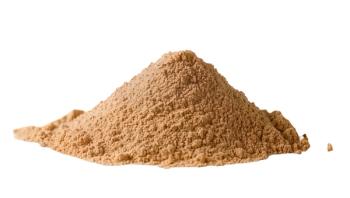
The company’s new division offers bovine, porcine, ovine, poultry glandulars for supplements, pet food, and animal feed, highlighting a full QA document package.

Why responsible innovation means asking whether yesterday's formulations still reflect today's best science—not just launching the next new ingredient.
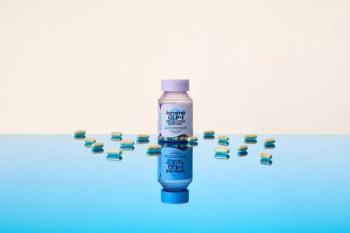
A new Walmart-exclusive supplement from Lemme joins a fast-growing, category of products marketed around the body's natural GLP-1 production.

BENEO's Denisse Colindres discusses how the fibermaxxing trend is evolving beyond "more fiber" to fiber diversity and layering, and what that shift means for formulation, claims, and category opportunity.

Women are the predominant users of these drugs, and the authors say guidance has not kept pace, with nutrient gaps and supplement support also in focus.
Advertisement
Advertisement
Trending on Nutritional Outlook - Supplement, Food & Beverage Manufacturing Trends
1
Lonza Capsugel to Feature Organicaps, UC-II, and Capsule Delivery Technologies at SupplySide Global 2026
2
Balchem Brings New Branded Ingredient Research to SupplySide Global 2026
3
Kemin to Pair FloraGLO Lutein Milestone With Gut Health and Satiety Ingredients at SupplySide Global
4
White Paper: Unlock the Potential of Gut Health in Active Nutrition with Bimuno® GOS
5