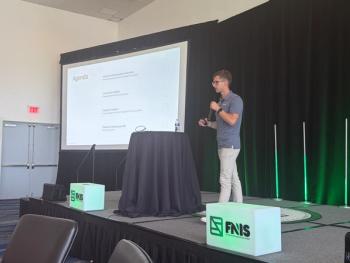
At the Future Nutra Innovation Summit, PLT Health's Steve Fink discusses joint, cognitive, and longevity nutrition explaining why "experiential longevity" is reshaping formulation strategy.
AuraBC is a beta-carotene food color delivering stable, yellow-to-orange shades for gummies and liquids.
To address shifts in consumer preferences as well as changing regulations, GRA Nutra introduced AuraBC, a natural, clean-label beta-carotene colorant derived via non-GMO fermentation technology.1 The ingredient provides warm yellow-to-orange shades designed for a variety of applications, helping brand owners reformulate products to align with clean-label, wellness, and environmental preferences.
As GRA Nutra highlights, as the regulatory landscape is tightening and consumer preferences are shifting toward clean-label ingredients, dietary supplement and functional food manufacturers face the continuous challenge of replacing synthetic dyes without sacrificing product stability or visual appeal. These actions include the
“The food color market is rapidly shifting away from FD&C petroleum-based and other synthetic dyes toward natural, clean‑label pigments,” explains Lynda Doyle, CEO of GRA Nutra Corp. “This is driven by consumer distrust of artificial colors, retailer and regulatory pressure, and aggressive reformulation by major brands.”
For brands developing functional delivery systems like gummies and liquid supplements, finding stable, natural alternatives at a competitive cost remains a hurdle.
For manufacturers of functional foods and supplements, ingredient stability during processing and shelf life is critical. Carotenoids are traditionally sensitive to light and oxidation, which can lead to color degradation and processing losses. AuraBC utilizes beadlet technology designed to protect these sensitive pigments from environmental degradation, ensuring consistent performance and color vibrancy across diverse manufacturing conditions.
According to Lynda Doyle, CEO of GRA Nutra Corp., the company's fermentation-based colors are positioned to break through the cost barriers typically associated with natural alternatives. To accommodate different manufacturing setups and delivery formats, the ingredient is produced in other formats as well as beadlets:
The beadlet formulation is engineered for stability, solubility, and dispersibility, and designed to maintain optimal bioavailability and organoleptic properties while allowing manufacturers to standardize concentrations ranging from 1% to 30%. This flexibility can help developers manage cost-in-use while meeting specific color targets in applications ranging from gummies to finished beverages like flavored waters, sparkling refreshers, energy drinks, juices, and dairy-based products.
Limitations in shade range, processing performance, and manufacturing capacity frequently complicate the scaling of natural pigments, the company notes. GRA Nutra addresses supply chain resilience through a vertically integrated manufacturing model. Founded in 2021 and operating facilities in Portugal, the company combines ingredient production, extraction, purification, and formulation within a single facility. Guido Schaer, co-founder and Chairman of GRA Nutra AG, notes that this proprietary fermentation technology optimizes beta-carotene yields from naturally occurring strains while minimizing energy use, transport requirements, and the overall ecological footprint.
The production process utilizes renewable energy generated via on-site solar panels or through certified renewable power purchase agreements (PPAs). The company's first commercial production plant is scheduled to go online in early 2027, offering a structured timeline for brand owners planning future product pipelines.
Manufacturers interested in evaluating the performance and organoleptic properties of these fermentation-derived colors can review them at the upcoming IFT FIRST event in Chicago, taking place July 13–15. GRA Nutra will showcase AuraBC inside finished beverage and gummy prototypes at booth #1780. Additionally, the company will present prototypes of crackers fortified with its CarobWell Biome, a prebiotic fiber derived from carob, showcasing its broader portfolio of functional ingredients.
References