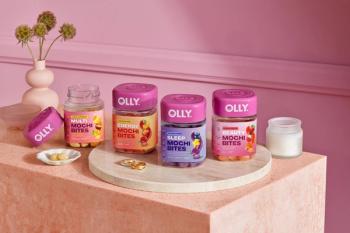
DolCas Biotech is featuring the turmeric-derived ingredient Curcugen in Mānukora’s Mānuka honey and Numin’s cognitive-support drink.
Based on the inventory in gas stations and convenience stores, the hemp-derived cannabinoids space is maturing as more consumers move away from novelty CBD products. This means consumers have a better understanding of what hemp-derived cannabinoid products meet their needs, splitting consumers into two categories: wellness and recreation.
We’ve known for some time that CBD isn’t a recreational compound. But, looking at gas stations and convenience stores over the past few years, it’s easy to see why many people believe it is. CBD bath bombs, energy drinks, and cosmetics are just the tip of the novelty product iceberg. And, thanks to cowboy operators and bad-faith marketers, these products were everywhere after the 2018 Farm Bill.
But new distributor and wholesaler data show the tide is beginning to turn. These convenient over-the-counter spaces are pivoting away from CBD products that overpromise and underdeliver. Consumers realize these novelty products usually fail to resolve their target issues, hurting repeat business and drying up demand. And, when they are stocking hemp-derived cannabinoids, it’s in therapeutic formats like salves and gummies, or intoxicating compounds like delta-8 and THCA.
This is a positive for the hemp-cannabinoid sector. Repeat studies show CBD is a wellness tool, with product format determining therapeutic application. The market and consumers are starting to see it as such. Serious products come from serious producers, not questionable bath bombs and fizzy drinks.
The decline of novelty CBD
CBD marketing itself as a silver bullet for any ailment, hurt long-term consumption. For example, consumers with anxiety quickly realized that CBD energy drinks aren't their preferred ingestion method. And, for people using CBD for things ranging from sleep to pain management, they’re looking for quality production, independent testing, and consumer reviews. This is usually found directly with the brand or specialist providers. What we’ve seen with gas stations and convenience stores is good for visibility and availability, but not much else.
This isn’t to say CBD is on the out. Novelty sales are down, but the number of surveyed stores carrying CBD products grew from 80% to 83% over the same period. The report shared that gummies, vapes, and topicals are now leading the product pack in CBD. This evolution makes sense since, if a consumer wants a therapeutic product, they’re more likely to use it in these forms. Additionally, retail channels aren’t moving away from hemp-derived products entirely since the report shows these spaces are instead preferring intoxicating cannabinoids like delta-8 and THCA.
The growth of intoxicating cannabinoids
Over the same period, hemp-derived compounds like delta-8 grew by 58% and delta-10 by 57%. This is remarkable growth, but a pivot that makes sense – these are different product categories serving different consumer needs. While wellness consumers seek out CBD through dedicated channels, recreational users are finding convenience (pun intended) in these retail spaces. This is a much better product-customer fit, and we should expect this trend to continue.
The future of science-backed applications
Research and science confirm that CBD isn’t for recreation. It’s for wellness – pure and simple, with recent studies validating what many users have long reported. For example,
The science around
Splitting the cultural difference between cannabis and CBD hasn’t been easy. For many in the general population, CBD’s plant origin makes it inextricably tied to cannabis and THC. So, products and marketers took advantage of this in these nascent years of hemp legality.
Seeing consumers wake up and sales move to other product categories with impact is heartening. The key takeaway isn’t that consumers don’t want CBD – they just don’t want CBD that’s misrepresenting the compound and its potential. The hemp-derived cannabinoid market is maturing, and we should look forward to a new chapter of better producers, more science, and fewer novelty bath bombs.
Scott Mazza is the cofounder of