


Compared to placebo, soy isoflavone consumption was linked to significant reduction in hot flash frequency (20.6%) and severity (26.2%).
Compared to placebo, soy isoflavone consumption was linked to significant reduction in hot flash frequency (20.6%) and severity (26.2%).
Utirose has been shown to reduce incidences of urinary tract infections (UTIs), especially among women who experience reoccurring UTIs.

Less may be more when it comes to melatonin as a sleep supplement.
Researchers assessed breast cancer cases and lignan consumption in nearly 1300 women.
A look at several dietary supplements that should be on the radars of health care practitioners.
Research published in the journal Menopause suggests that lignan-rich flaxseed is not effective in reducing menopausal hot flashes.
Horphag Research Nutrition will focus on function food and beverage development with Pycnogenol.
A closer look at natural ingredients for sex health.

Ingredients, dietary supplements, and functional foods and beverages from Israel.
A yearlong study on 221 premenopausal women suffering from recurrent urinary tract infections has concluded that UTI recurrences were better avoided with an antibiotic than a Cran-Max cranberry dietary supplement. But the antibiotic promoted antibiotic resistance.
Two years of taking soy tablets does not prevent bone mineral density loss, according to results of a study published at the Archives of Internal Medicine.
Of note, numerous health claims submitted for soy isoflavones were rejected.
The agency’s has weighed in on 536 new claims.

A large-scale study supports the safety and bioavailability of higher vitamin D doses for pregnant women.
The company's new CranPhyto ingredient is suited for a wide range of applications.
The effect of vitamin A or beta-carotene supplementation on pregnancy-related maternal, fetal, and early infant mortality was studied in women and their infants in rural northern Bangladesh.

In a study on 672 pregnant women, consumption of L-arginine and antioxidant vitamins was related to significantly reduced risk of preeclampsia.
A new Cochrane Review analyzing 55 studies on selenium levels and cancer development says that a link cannot be made for selenium and cancer prevention.
Over one million people were involved in the studies, which included six random, placebo-controlled trials (RCTs).
Flower pollen extracts supplier Graminex LLC (Saginaw, MI) has received organic certification from Quality Assurance International (QAI; San Diego) as a certified organic processing manufacturing facility.
The 90-day, randomized, double-blind, controlled study administered a daily dose of 500 mg of PACran.
The product features three key herbs: white peony, shatavari, and schisandra.
The double-blind, randomized, placebo-controlled trial performed on 60 healthy males without erectile dysfunction.
Research presented at this month’s 102nd annual meeting of the American Association for Cancer Research has linked soy consumption to reduced recurrence of breast cancer in breast cancer survivors.
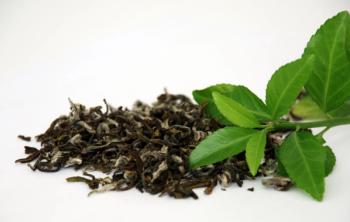
Taiwanese researchers tested a theory of links between green tea, nicotine, and a female hormone linked to breast cancer.