


So far, over 60 warning letters have been distributed for unapproved and misbranded products related to COVID-19. These letters cover a range of products, including dietary supplements.
So far, over 60 warning letters have been distributed for unapproved and misbranded products related to COVID-19. These letters cover a range of products, including dietary supplements.

The Collaborative for CBD Science and Safety is calling on industry, researchers, academia, healthcare practitioners, and regulators to accelerate research and the development of an appropriate federal regulatory framework for cannabidiol (CBD) and CBD-containing products.

Will the COVID-19 pandemic have an impact on food safety?

With FDA busy vetting coronavirus tests, therapeutics, and-one can hope-an eventual vaccine, will the agency have the bandwidth to develop a regulatory framework for permitting CBD’s use in foods and beverages?

During a May 29 Nutritional Outlook webcast titled “COVID-19 and Immune Health Claims: What Not to Say (Do’s and Don’ts),” attorneys discussed the minefield of making immune health claims against the backdrop of the COVID-19 pandemic.
The Natural Products Association formally outlined its request in official comments submitted for a June 2 Senate Finance Committee hearing.

Gencor Pacific has received a U.S. patent (US 10,576,118 B2) for its fenugreek extract, Testofen, which is standardized to a 50% minimum content of Fenuside.

In a joint letter to FDA, the industry trade groups propose a framework for FDA to implement a New Dietary Ingredient (NDI) master file and urge clarification on the agency’s views in a final NDI guidance.
BetaVia Complete, an algae-sourced beta-glucan ingredient from Kemin Industries (Des Moines, IA) has received a positive safety assessment from the European Food Safety Authority for its use as a novel food pursuant to Regulation (EU) 2015/2283.

Certain ingredient suppliers and marketing companies have been doctoring lab reports and using the falsified reports to promote products.
The Council for Responsible Nutrition Foundation and the BBB National Program’s National Advertising Division have announced that the CRN/NAD program will conclude on July 1, 2020.

Among the valuable resources, Lief’s GMP Starter Kit provides examples of key documents, procedures, and regulations necessary for cGMP compliance.
On April 23, Texas’s Health and Human Services Commission proposed new rules regarding hemp, including the retail sale of “consumable hemp and hemp-derived products" such as hemp cannabidiol (CBD).

In light of recent developments in the hemp-CBD space, AHPA revised its Status Report: Marketing of hemp and cannabidiol (CBD) products in the United States, as of April 2020.

“Free from” claims: Dos and Don’ts

Industry law firm Amin Talati Wasserman LLP was recognized for excellence in the 2020 edition of Chambers USA: America’s Leading Lawyers for Business.

Consumers are enthusiastic about brain-health supplements, and marketers should be responsible when making product claims.

Kappa Bioscience has been granted U.S. Patent No. 10,472,314, titled “Process for the Preparation of Vitamin K2.”
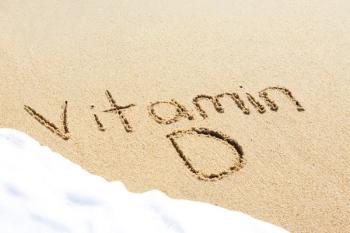
PLT Health Solutions Inc. has received a license from the Natural Health Products (NHP) Directorate of Health Canada to market its Earthlight Whole Foods Vitamin D to support immune health, bone health, and healthy development.
Four of the leading trade associations issued a release commending FDA for taking action to protect consumers by calling out marketers that make illegal and unsubstantiated drug claims related to COVID-19.

With dietary supplement supply chains facing potential interruptions due to the global COVID-19 pandemic, and with FDA ceasing routine facility inspections, what will the impact be on dietary supplement safety and quality?

A newly revised federal guidance issued on March 28 specifically lists dietary supplements among critical infrastructure that can continue operating even amid the COVID-19 pandemic lockdowns happening nationwide.
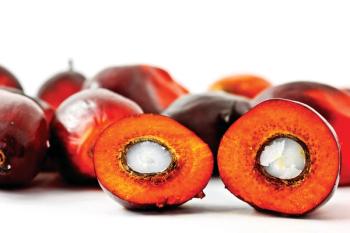
Following a successful audit by SIRIM (Standard and Industrial Research Institute of Malaysia), ExcelVite has obtained a RSPO Supply Chain Certificate.
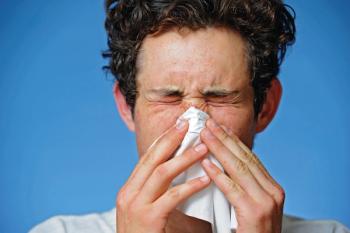
While omega-3 supplements play a key role in human health, GOED did not find sufficient data to link intake of EPA and DHA omega-3s to “general” to “viral” immunity benefits.

As more states across the U.S. close businesses in the effort to control the spread of the COVID-19 pandemic, dietary supplement industry associations are urging state governors nationwide to allow dietary supplement and natural product retailers to remain operational as essential businesses.

FDA says it will now only send inspectors out to domestic facilities for “mission-critical” purposes, such as “public health emergencies involving FDA-regulated products.”

These are the first warning letters to be issues by FDA for unapproved products intended to prevent or treat COVID-19.

Companies that had proactively purchased more ingredients ahead of the tariffs will be better-positioned than those who didn’t, says Nuherbs’s Wilson Lau.

FDA’s March 5 CBD report to Congress, required by the 2020 spending bill, focused mainly on the agency’s progress in collecting data on CBD, but provided no new material information on whether the agency will make CBD a legal dietary ingredient.