

eSports, powders, “superdrinks,” and more are driving sports drink development.
eSports, powders, “superdrinks,” and more are driving sports drink development.

Sports manufacturers will want to be on the lookout for these, says NSF International.
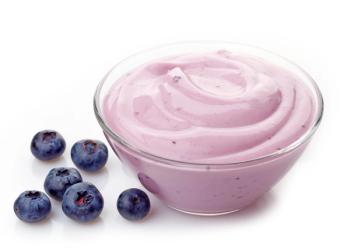
Continued innovation of dairy alternatives has made plant-based yogurt a viable and delicious option.

Brain health is a diverse and versatile category that supports the needs of consumers across ages.

Vitamins have generally not fared well in recent years when it comes to high-profile randomized controlled trials (RCTs) or meta-analyses that statistically combine selected data from those studies. Why is that?

New kinds of packaging are emerging that offer a lower environmental footprint. Are they viable alternatives to traditional packaging?

A coaching survey on dietary supplements emphasizes the need for teamwork and education.

Where will future sports nutrition opportunities come from? It might not be in the U.S., says Euromonitor.

Consumers are enthusiastic about brain-health supplements, and marketers should be responsible when making product claims.

Esports enthusiasts are focusing on nutrition as an avenue to improved performance.

Marine ingredients like algae and their derivatives possess potential that has other nutraceuticals green, red, and brown with envy.

In the nutrition products market, a recent surge of interest in marine ingredients has led to increased interest in the sustainability of marine sources.

AlaskOmega's new omega-3 powder is designed for food, beverage, and dietary supplement applications.

Human trials are taking turmeric and curcumin science in surprising directions-and their number has only increased in concert with the botanical’s popularity.

What health benefits are active nutrition customers chasing in 2020, and what types of products do they prefer?