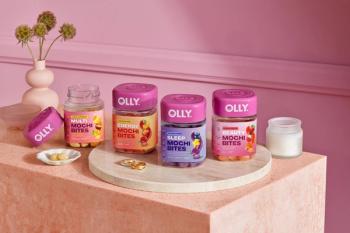
The four-formula line is Olly’s second retailer-exclusive launch this year, following the launch of a probiotic range in April.
Microalgae-based suppliers form their own industry association against synthethic astaxanthin now on the human market.
Three suppliers of microalgae-based astaxanthin ingredients have come together to form the Natural Algae Astaxanthin Association (NAXA). The association’s goal is to educate the public about the differences and benefits of natural astaxanthin, especially compared to synthetic astaxanthin.
Astaxanthin demand is growing as consumers learn about the ingredient’s high antioxidant activity and studied health benefits for vision, brain health, heart health, and immune support. Publicity from outlets such as The Dr. Oz Show helped heighten demand.
To meet growing demand, ingredient suppliers have sought different ways to produce astaxanthin, resulting in various forms on the market. Producing astaxanthin from microalgae (Haematococcus pluvialis) is one way. Algal astaxanthin suppliers call their ingredient “natural” compared to other forms. Other suppliers-most recently
But there are significant molecular and other differences between algal astaxanthin and nature-identical and yeast-derived astaxanthin, say microalgae producers. A research paper published in the December 2013 issue of
Cyanotech is one of NAXA’s founding companies, along with
The
“If synthetic astaxanthin has only 2%-5% of the antioxidant power of natural algae astaxanthin, how can it possibly work as well for heart health, brain health, joint health, skin health, and the other areas in which we have established solid evidence from human clinical trials on natural algae astaxanthin?” asked Kazuyuki Miyakawa, chief scientific advisor for Fuji Chemical Industry, in a NAXA press release.
Also, while yeast-based astaxanthin does have a new dietary ingredient (NDI) notification filed with FDA, there are "some fairly severe restrictions on use: it’s not for long-term use and not for children," Gerald R. Cysewski, PhD, Cyanotech's executive vice president and chief scientific officer, tells Nutritional Outlook. Also, in the NDI notification, the yeast-based dose is limited to 2 mg/day. Bob Capelli, Cyanotech's vice president of sales, tells Nutritional Outlook that while this 2-mg/day dose has demonstrated antioxidant and immune health benefits, astaxanthin's human clinical evidence for brain, joint, cardiovascular, and skin health is for doses ranging from 4-12 mg. Microalgae astaxanthin's NDI notification covers a dose of up to 12 mg/day.
Human clinical studies showing astaxanthin’s safety and health benefits have been done only on the microalgae form, the NAXA companies add. Historically, synthetic astaxanthin ingredients such as DSM’s have been used primarily as an
Based on these facts, NAXA’s members hope to convince industry members that microalgae-derived astaxanthin is superior to other forms. The association says it will probably sponsor more research in the future comparing microalgae and synthetic/yeast forms.
How can companies distinguish between synthetic versus natural astaxanthin? Cysewski says thin-layer chromatography is one way. “Synthetic astaxanthin is all free astaxanthin, whereas natural astaxathin is primarily a monoester, and thin-layer chromatography very quickly and simply makes that separation for you," he tells Nutritional Outlook. "The next test is to look at the actual stereoisomers in a sample, and that requires some sophisticated HPLC work.”
over 12 years ago
Yes to More Acacia Gumover 12 years ago
Ingredient Spotlight: Gingerover 12 years ago
Top Tips for Formulating Healthy Beveragesover 12 years ago
How to Pick a Dietary Supplement Contract Manufacturerover 12 years ago
Curbing High Fat, Salt, and Sugar in the Middle Eastover 12 years ago
What Are 2014's Biggest Food Ingredient Trends?over 12 years ago
Cranberries and the Future of UTIsover 12 years ago
Is Chia the New Quinoa?over 12 years ago
2014 Dietary Supplement and Food Ingredients to Watchover 12 years ago
Plant Protein versus Dairy Protein for Muscle Building