


Feature|Videos|August 15, 2025
Nutritional Value in Pet Food
The problem with heavily processed foods in pet diets, and the need for nutrient-rich foods made from whole foods that are convenient and accessible to pet parents.
Advertisement
Episodes in this series
Bill Bookout: So, transitioning into targeted health outcomes. There are a number of ways, supplements aim to support the health of our pets and concepts like stress management, gut health, joint health are among the most popular segments out there. Additionally pets age as pets, age and their owners want to maintain their quality of life. Just as we want to maintain our quality of life, so we can live comfortably to the maximum degree possible. So, let's dig into some of the benefits a little more deeper dive, starting with diet. Do you think pet diets provide sufficient nutrition? I know that's kind of a maybe a lightning rod question, but, Dr. Morgan, why don't we start with you? Talk about pet diets without offending anybody if that's possible.
Dr. Judy Morgan: Yeah, that's hard for me, because this is my shtick. This is what I've built. my career on. It really depends what you're feeding your pet. If you are feeding foods from really high-quality manufacturers that are using human grade ingredients that are not relying on a synthetic vitamin mineral mix… I mean, you can add enough vitamins and minerals to cardboard to meet AFCO regulations, it's kind of crazy. So, I think it really depends on what you're feeding.
It'd be the same for us if, if, as a human, I relied on heavily processed, refined foods with synthetic vitamins and minerals and dyes put in them as my only source of nutrition, I'm going to be one of those people with a lot of chronic health problems, spending a lot of time in doctor's offices and hospitals and fixing a lot of things. If I'm one of those people who shops the perimeter or grows my own organic produce, process my own meat, or buy really high quality meats from good farmers, that's going to keep me healthy versus eating all this processed stuff. So, the same thing goes for our pets. Pets do have different nutrient requirements than we do, so while I'm a huge proponent of homemade meals for pets, whether they're gently cooked or raw, we do have to make sure that we're getting all the nutrients in there, and I don't like to rely on synthetic vitamin mineral mixes for those nutrients. For me personally, I like to get everything from whole foods, and it is possible to do that, but unfortunately it gets a really bad reputation in the veterinary world, because so many clients make homemade diets.
I see these all the time on the on the Internet, and they're really far from balanced. And then people get kind of lazy with it, and it's easier to just make hamburger and rice, or one of my favorite clients did hamburger, peas and rice for her dog for its meals for 3 years, and the dog was still, you know, to look at it, seemed fine, but I'm like, we don't have any calcium. we don't have our vitamin D, we're missing so many things. So, it does get a bad reputation, because a lot of people want to do the right thing, but they're not doing it very well
Bill Bookout: Do the right things right.
Dr. Judy Morgan: Yes, exactly.
Bill Bookout: So, what I think that your takeaway is diet is as important for pets and their health and longevity as it is for people. Dr. Pache,additional comments on pet diets and nutritional benefits?
Dr. Chris Pachel (he/him): Yeah, I think for me, unless there's an immediate inroad for having that conversation with clients, what people are choosing to feed their pets are often right up there with politics and religion in terms of the emotionally held beliefs. So, I'm always kind of saying, okay, where are we at? What's my inroad? Where can I, you know, lean in with curiosity and ask some questions and add some meaningful input for them.I agree everything you said there, Dr. Morgan, and I think that there's such a continuum of folks who are leading busy lives who need something they can do conveniently.
As a practitioner, I tend to find, you know my greatest usefulness is sort of describing those outcomes to say, cool, if you're going to do all the things that Dr. Morgan is doing, this is what that's going to look like for you. Is that doable on a sustainable basis? If not cool, then let's go back a step. Let's go back another step. Let's go back another step like, where? Where is your option here? And then what are we looking at to be able to ensure that we're doing the best we can for your individual animal. What are the metrics that we're looking at within their health parameters. Are there tests we need to run, are there physical attributes that we're looking at to confirm that they're actually doing and responding the way that we're looking to. So, I think, from my perspective, it's really at that individual animal level and trying to help clients figure out what's the right thing for them to do as correctly as possible.
Bill Bookout: And there is an up and coming area in nutritional supplements, whereas people have, you know, raw meat components or meat components. There's, you know nutritional supplements that would be used as components of a complete and balanced diet. And you know, Dr. Morgan, you made a great point, do the right things right, and be sure you're giving complete nutrition. And if you look at the evolution of the pet food industry, I mean, we went from having basic diets to premium diets and super premium diets and home prepared diets and human grade diets and fresh frozen. So, anyway, I think the summary is, diet is extremely important for health and wellness in pets, just as is in people.
Dr. Judy Morgan: And the good news is, there are so many of the newer companies that have come on board that are using human grade ingredients, and I had a client once that I was doing a consultation, and was an older woman. And so we talked about whether she could make food for her dog food, and she said, “I don't know how to turn on my oven, but my neighbor could probably show me,” and I said, “You are not the person that should be making food for your dog.”
And I said, “Well, you said, your dog eats chicken. If you don't cook the chicken, where is your dog getting the chicken?”
“Oh, I give it to him out of my TV dinner.”
And I said, “Well, if I can get you TV dinners for your dog. Would you do that?”
And she said, “Oh, that would be great,” because she could just throw it in the microwave. I said, well, this would be a huge improvement in your dog's nutrition, and luckily there are companies now that make human grade ingredients that are literally TV dinners for dogs.
So you know, we can meet those clients kind of anywhere along that continuum, and make it easy for people who don't know how to boil water or turn on their oven versus people who are all into. I'm going get all these raw ingredients and grind them up, and, you know, start from scratch. And so, luckily the industry is changing enough that we can. We have so many more options.
Advertisement
Related to this article

The company introduces Gut & Protein Optimizer, a probiotic-enzyme formula for protein utilization, and NMN 300 mg, an NAD+ precursor.
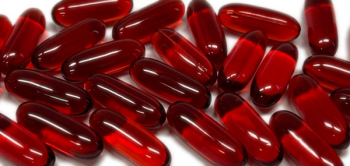
Built on Calanus Oil and ORIVO-verified fish oil, the concept targets brands seeking faster, differentiated omega-3 product development.

A mixed cell-culture and mouse study found that Ahiflower oil, a plant-based omega-3 source, reduced markers of endothelial inflammation, blood lipids, and platelet clotting activity at levels comparable to fish oil.

Nova Mentis's HT1 ingredient bypasses olive extraction, aiming to give formulators a more consistent supply of the polyphenol.

The appointment comes as the CDMO continues to expand its gummy, softgel, and fizzy tablet format offerings for brand partners.
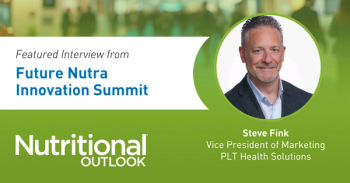
At the Future Nutra Innovation Summit, PLT Health's Steve Fink discusses joint, cognitive, and longevity nutrition explaining why "experiential longevity" is reshaping formulation strategy.
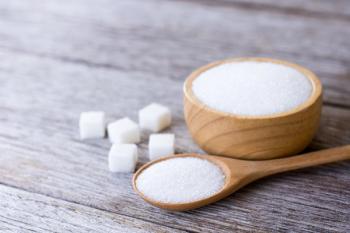
Review Synthesizes European Trials on Non-Nutritive Sweeteners on Weight, Health, and Taste Outcomes
Pooled RCT evidence from three EU consortia shows non-nutritive sweeteners may support weight loss maintenance without adverse effects on biomarkers or taste preference.
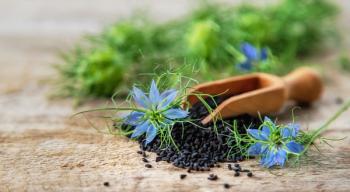
CHAKHAN Co. has launched a black seed oil supplement in South Korea built on TriNutra's ThymoQuin ingredient, extending the branded ingredient's international footprint into a market where it has not previously been sold under a local retail brand.
Advertisement
Advertisement
Trending on Nutritional Outlook - Supplement, Food & Beverage Manufacturing Trends
1
New Omega-3 Softgel Concept ZOΩ3GO Debuts from LEHVOSS, Zooca, and Golden Omega
2
Jarrow Formulas Debuts Two New Supplements Targeting Protein Absorption and Cellular Energy
3
Digestive Health in 2026: How the Nutraceutical Industry Is Moving From "Gut Health" Hype to Precision Claims
4
Nova Mentis Introduces Fermentation-Derived Hydroxytyrosol Ingredient
5