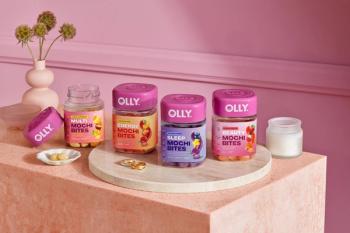
The four-formula line is Olly’s second retailer-exclusive launch this year, following the launch of a probiotic range in April.
Ministry of Ayush restricts the use of ashwagandha leaves in extracts citing potential injury. While these restrictions were put into place in India where many ashwagandha products are produced, it's unclear what the impact will be on US ashwagandha inventory. Additionally, brands that use ashwagandha leaves in extracts defend the effectiveness and safety of their products.
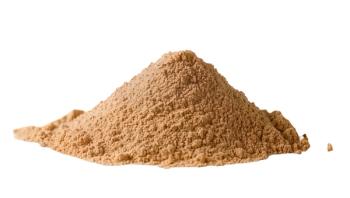
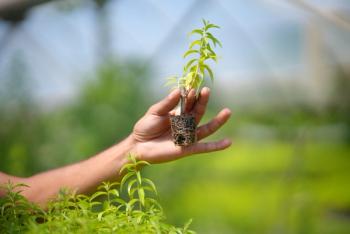
As of April 15, 2026, the Government of India’s Ministry of Ayush will strictly enforce the mandatory use of ashwagandha roots in extracts, prohibiting the use of ashwagandha leaves in Ayush drugs/ products. The Ministry of Ayush had originally sent an
In a
“i. Use only Ashwagandha roots in crude or extract or any other form in single or as an ingredient in compound Ayush drugs/products.
ii. The use of Ashwagandha leaves, in crude, extract, or any other form, in T-13020/4/2022-DCC-Part(2) I/97672/2026 Ayush drugs/products is strictly prohibited.
iii. Ensure compliance with the provisions of Rule 161 of the Drugs Rules, 1945, which require that the plant parts used in the drugs/products be clearly mentioned on the label.”
The following day, the Food Safety and Standards Authority of India (FSSAI) issued an
Lack of Consensus and Transparency on the Use of Ashwagandha Leaf
There does not appear to be a consensus on the extent to which ashwagandha leaf extracts pose a health risk to consumers. “Based on the available scientific data and information from scientific colleagues who work in assessing the safety of botanical ingredients, there appears to be little evidence that would warrant safety concerns about using ashwagandha leaf extracts in the recommended oral dosages,” said Mark Blumenthal, the founder and executive director of the American Botanical Council. “Since ashwagandha leaf and its extracts do not have a long-standing history of traditional internal use compared to centuries and millennia of oral use of ashwagandha roots, the safety information on oral use of leaf is less robust than what is available for the roots.”
On the other hand, the World Health Organization’s
“This is a significant step. For the first time, consumers buying any ashwagandha product will be able to see on the label exactly which part of the plant they are consuming. This labelling mandate directly addresses the root cause of adulteration and brings long overdue transparency to the botanical ingredients industry,” said Kartikeya Baldwa, founder and CEO of Ixoreal Biomed to Nutritional Outlook. “India supplies ashwagandha across 89 countries. By banning the leaf at source today, India has effectively set the safety standard for every Ashwagandha product and extract sold anywhere in the world. Five years of science. Five years of warnings ignored by industry. One binding order that now protects the health of millions of consumers globally.”
Ixoreal Biomed manufactures KSM-66 Ashwagandha, which is a full-spectrum root-only extract.
What Do Ashwagandha Leaf Restrictions Mean for US Brands?
While these actions by the Ministry of Ayush do send a strong message about the use of ashwagandha leaves, it’s unclear what impact this will have on the global supply chain, particularly their presence in the US market.
“This has been a longstanding point of discussion within the botanical industry, and we are engaged with our Ayurvedic Products Committee to evaluate the technical nuances of the FSSAI’s advisory,” said Graham Rigby, the American Herbal Product Association’s president to Nutritional Outlook. “While India’s regulatory framework for ashwagandha has historically prioritized the root, AHPA is working to determine how this clarification might impact the global supply chain. AHPA's focus remains on ensuring that any regulatory policies potentially impacting international supply chains are grounded in sound science and that US consumers continue to have access to safe, high-quality dietary supplements that meet all domestic compliance standards.”
Companies like Arjuna Naturals, whose Shoden ashwagandha extract is partially derived from leaf, are defending their ingredients and have evidence demonstrating the safety of its extract. "In
Looking Ahead
While some products may have evidence of safety, industry would benefit from more comprehensive evidence about the safety of using ashwagandha leaves and to what extent they can be used. The actions by the Ministry of Ayush seem to stem from a need to safeguard the reputation of traditional medicinal ingredient that is seeing high global demand, and while ashwagandha root has a strong foundation culturally and scientifically, the data around leaves is less robust.