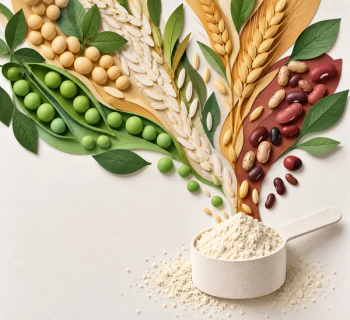
A look at the market data and functional ingredient innovations driving the next generation of nutrition bars.
Plant-based proteins provide ample opportunity to align with the increasing need for protein innovations.
Protein is a nutrient essential for human health. As the global population grows and individuals seek to increase their protein intake, demand for protein is rising, as is the opportunity for innovation.
According to the 2025 International Food Information Council Food & Health Survey, 57% of Americans report following a specific eating pattern, with 23% reporting following a high-protein diet in the past year.1 Additionally, the report indicates that protein is the most sought-after nutrient among Americans, notably for the fifth consecutive year. Although a much smaller percentage, 3% of Americans reported following a plant-based diet in 2025, higher than for paleo and vegan diets. With a strong demand for protein in many consumers’ diets, plant-based proteins can offer options for meeting dietary needs.
Data from MarketsandMarkets suggest significant growth in the global plant-based protein market.2 In 2025, the market was valued at $23.89 billion and is anticipated to reach $34.97 billion by 2030. Factors driving this growth include environmental concerns, ethical considerations, and a desire for healthier diets and lifestyles. Pea protein in particular is highly valued because of its essential amino acids, which support muscle growth, and lack of food allergens.
A recent review notes that consuming plant-based proteins instead of animal-based proteins offers multiple benefits, from potential health benefits, such as a reduction of the risk of chronic diseases, to sustainability benefits such as protection of natural resources.3
Plant-based proteins include legumes, cereals, seeds and nuts, and soy proteins. Some novel plant-based proteins under research include microalgae, seaweed, and byproducts from cereal and oil-bearing crops, which can also serve as protein sources. Although technically not a plant, mushroom mycelium also contains protein, fiber, vitamins, and various minerals.4
Though interest in plant-based proteins is high globally, some challenges remain in their broader adoption. Sensory characteristics, such as a bitter taste, are common deterrents, as is a reluctance to deviate from usual eating habits.
Another drawback is digestibility. Whey protein isolate, a byproduct of cheesemaking, has 100% digestibility, while milk has 94%.5 The only plant-based proteins to compare are pea protein concentrate (98%) and soya protein isolate (96%), while the digestibility of others ranges from 77% to 93%.
When formulating with plant proteins, manufacturers encounter several challenges, such as stability, off-notes, and texture, explains Andrew Zumbusch, senior research scientist at Cargill. He notes that recent advancements in plant protein technology have reduced viscosity and improved solubility and flavor profiles in pea protein, particularly enabling its use in a range of formats, including ready-to-drink shakes, acidified beverages, and even protein waters.
“We’re seeing growing consumer demand for protein beverages that feel lighter, more refreshing, and easier to incorporate into everyday routines,” says Zumbusch. “Unlike traditional shakes, clear protein beverages align more closely with trends around active hydration, wellness, and convenient nutrition, creating opportunities beyond sports recovery and meal replacement.”
The company developed the PURIS 2.0 pea protein specifically for beverages, overcoming solubility and taste challenges to target as much as 30 g of protein per serving in a sports nutrition beverage, for example. Another technology, PURIS HiLo, was developed to address stability in acidic beverages such as juice. Zumbusch adds that the portfolio also includes supporting ingredients for plant-based beverages, including sweetening systems that manage off-notes from plant proteins and cocoa powders for plant-based dairy alternatives.
Overall, as innovations in plant-based products continue, the potential for alignment with the increasing consumer demand for protein grows as well.
References
4 months ago
Finding Nuance in Energy Products