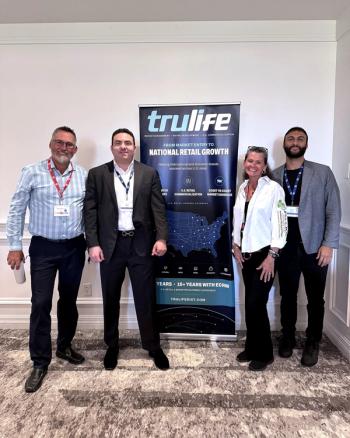
The retail commercialization firm outlines its post-event strategy for emerging and international wellness brands entering the U.S. market, following the ECRM Vitamin, Weight Management & Sports Nutrition Session.
FTC’s Endorsement Guides got a critical update this year.
FTC updated its
Brands in the natural products space should keep abreast of the new regulations, as violating them could result in financial penalties. Here’s what supplement brands should know about the updated FTC Endorsement Guides.
Companies Aren’t Responsible for Independent Reviews
One positive point in the new Endorsement Guides is the fact that companies bear no liability for truly independent reviews. The Federal Register notice accompanying the Endorsement Guides release clearly states that companies aren’t responsible for truly independent—that is, unincentivized—reviews, says Katie Bond, a lawyer and partner at Keller and Heckman (Washington, DC).
“Section 230 has always said this, but FTC’s stance on Section 230 hasn’t always been clear or well documented,” Bond explains. “The notice also acknowledges that FTC’s jurisdiction is limited to commercial speech, meaning speech promoting a product. That’s helpful to have in writing. FTC hasn’t always been clear on that point either, leaving a gray area around employees, for instance, involved in discussion with the press or in social media quite apart from promoting a product.”
Review Hijacking Prohibited Under New Rules
The new Endorsement Guides also prohibit the practice of “hijacking” reviews.1 Review hijacking is a practice whereby a company repurposes a review that was written for one product to be used for a different product. In February 2023,
Incentivized Reviews Are Subject to Conditions
FTC has discussed the problem of incentivized reviews in the past. In April 2019, FTC published an article exploring the problem of incentivized reviews in a case involving UrthBox (San Francisco, CA).2 UrthBox, a snack box delivery company, offered customers a free snack box in exchange for a positive Better Business Bureau (BBB) review, in spite of the fact that BBB requires customers to certify they haven’t been incentivized to leave a review. UrthBox violated the FTC Act by failing to disclose that some reviewers had received compensation for their reviews.
Per FTC rules, brands may offer an incentive for reviews, but they cannot require the review to be a positive one. Furthermore, reviewers should disclose that they were given an incentive to leave a review.3
FTC Proposes Fake-Review Rule
In addition to the revised Endorsement Guides, FTC has recently proposed a new rule that would prohibit the purchase and sale of fake reviews. The comment period closed on September 29, 2023.
“The new rule would prohibit activities such as selling or obtaining fake reviews, using fake-review websites, conditioning payment on a review favoring the company, using employee reviews without clear disclosure, and using unjustified legal threats or harassment to prevent or remove negative reviews,” Bond explains. “Once finalized, a single violation can be subject to a civil penalty of up to $50,120.”
In addition to this new FTC rule, competitors are aggressively pursuing fake-review practices, Bond says. Amazon is even cracking down by filing lawsuits against fake-review brokers.
Endorsement Guides Strengthen Consumer Protections
The new FTC Endorsement Guides have several key updates designed to protect both consumers and reputable companies. First and foremost, the Endorsement Guides would clarify that companies bear no liability or responsibility for truly independent reviews. Second, the practice of hijacking reviews will be prohibited under the new Endorsement Guides. Third, incentivized reviews will be subject to new conditions. And finally, soliciting or providing fake reviews will be prohibited.
With hefty fines for brands that break the rules, it’s in every supplement brand’s best interest to prepare for compliance with the new Endorsement Guides before they come into effect.
References
almost 3 years ago
Are gummy supplements difficult to make?almost 3 years ago
How to design a children’s supplementalmost 3 years ago
Sinlessly sweet: Trends in healthy chocolatealmost 3 years ago
The FTC might revise its Green Guides. Here’s what you need to know.almost 3 years ago
Crazy 8s: Does delta-8 THC threaten the supplement industry?almost 3 years ago
Is creating certified-organic supplements difficult?almost 3 years ago
Asia Pacific is a promising market for plant-based meat