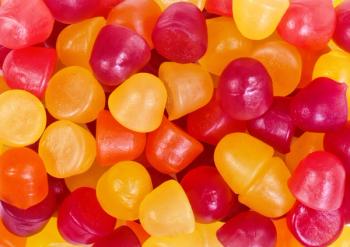
A new gummy portfolio from ingredient and delivery-format supplier SIRIO Europe illustrates how quickly creatine is being repositioned for general wellness consumers.
Fun Fact! Energy drinks are regulated as beverages and contain about 10 mg caffeine per ounce; energy shots, marketed as supplements, contain roughly 100 mg per ounce.
Fun Fact! As the American Beverage Association (ABA) explains, energy drinks and energy shots are not the same product. Energy drinks are regulated as conventional beverages and sold in package sizes comparable to other non-alcoholic beverages, while energy shots are generally marketed as dietary supplements in packages of about 2 fl. oz. The ABA also reports that well-known energy shot brands generally contain about 100 mg of caffeine per fluid ounce, compared with roughly 10 mg per fluid ounce in energy drinks.
Ingredient lists, Nutrition Facts panels, and allergen information appear on energy drink labels as required by U.S. law, while brands voluntarily disclose total caffeine from all sources. Energy drinks generally contain caffeine along with other ingredients, such as B vitamins and taurine. They are available with and without sugars and calories, and those with sugars generally contain levels similar to an equivalent volume of other sugar-sweetened beverages, according to the ABA.
Source: American Beverage Association. Frequently asked questions. American Beverage Association Energy Drink Information. Accessed September 30, 2026.