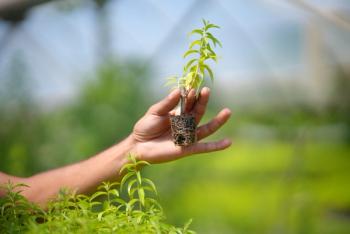
The ingredient group says supervised, multi-farm growing supports traceability and standardized quality for the botanical behind several of its branded ingredients.
Alkemist’s “Herbs & Fungi We’re Watching” 2025 list has recently been released and specifies herbs and fungi that have most frequently failed when tested this year.
Alkemist Labs announced in a recent press release their
Herb and Fungi samples were testing utilizing High Performance Thin-Layer Chromatography (HPTLC) which analyzed the identity and quality of the botanicals and other ingredients. The company possesses a flexible scope ISO 17025 accreditation “which is able to detect adulterants and contamination, such as containing incorrect plant parts, closely related species, and unknowns. This technique is applicable to crude raw botanicals from powdered to whole form, extract (powdered or liquid), and finished product/blends.”1
Below is a list of herbs and fungi that Alkemist’s manufacturer clients are testing prior to utilizing them in their products1:
Common names are as listed in AHPA’s Herbs of Commerce 3rd Edition, the definitive guide to proper botanical and fungi labeling.1
*Appeared on previous lists
“We provide this information on current identity problems Alkemist is seeing to augment some of the other excellent tools available to the industry in supporting ingredient and product quality,” said Petra Erlandsen, Alkemist VP of Sales.1 “This list, along with other resources such as the Botanical Adulterants Prevention Program (BAPP) bulletins and laboratory guidance documents, can be critical tools for the market to stay vigilant against adulteration and other quality issues.”
References