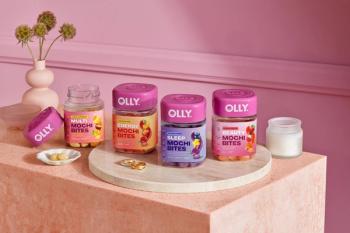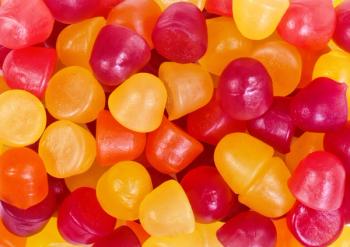
A new gummy portfolio from ingredient and delivery-format supplier SIRIO Europe illustrates how quickly creatine is being repositioned for general wellness consumers.
The European nutraceutical market is growing rapidly, but the continent is not a monolith when it comes to consumer trends and product innovation. This article is a blue-print for what nutraceutical success looks like in different European countries.
Europe's nutraceutical market is experiencing remarkable momentum, with projections indicating it will grow from USD $83 billion in 2025 to USD $111.83 billion by 2030.1 This impressive trajectory is directly fueled by European consumers’ increasingly proactive stance on health, with 51% now taking a preventative approach to healthcare and 47% regularly consuming supplements.2 This shift from reactive treatment to proactive prevention has transformed nutraceuticals from niche products into mainstream health essentials, driven by a rise in lifestyle-related diseases, lingering health concerns from the Covid-19 pandemic, an aging population – with 21.3% of citizens currently over 65 and life expectancy rising3 – and growing interest in integrated wellness solutions.
As a wellness revolution unfolds across Europe, consumer demands and technological evolution are reshaping the nutraceutical landscape. European consumers seek products offering multiple health benefits, particularly immune support and digestive wellness, while embracing ingredients from collagen and turmeric to functional mushrooms and adaptogens.4
Meanwhile, technological advancements are changing how Europeans engage with health information, particularly among younger demographics. Nearly a quarter now rely on nutrition apps for guidance, though traditional sources remain influential.4 Simultaneously, environmental consciousness has become linked with personal wellness – half of European consumers report that sustainable purchases enhance their wellbeing.4 These consumers increasingly demand responsible packaging, nature protection initiatives, and carbon footprint reduction from brands.4
While these pan-European trends provide valuable context, successful market entry requires understanding the unique nuances and opportunities within each country's distinct nutraceutical landscape.
The UK represents the vanguard of European supplement innovation, responsible for 16% of new product launches over the past five years.2 The modern British consumer seeks nutraceuticals that deliver on three main priorities: mental wellbeing is at the forefront, followed by weight management strategies and solutions that enhance vitality and energy.
Much of the UK's product development centers around evidence-based ingredients that support cognitive function, including omega-3 fatty acids, choline, and an expanding repertoire of nootropic botanicals.4 Adaptogens like ashwagandha, rhodiola, and functional mushrooms have gained particular traction for their ability to enhance focus, mitigate stress, and promote emotional equilibrium – benefits increasingly sought in Britain's fast-paced, always-connected environment.4
While cognitive health drives significant innovation, the UK market demonstrates remarkable diversity in its nutraceutical interests. Weight management remains a consistent concern, with more than a quarter of consumers actively modifying their diets for weight control.4 Simultaneously, the UK continues to dominate the European sports nutrition landscape, with particular enthusiasm for botanical performance enhancers like guarana, green tea, and ginger.4
The sports nutrition category itself is evolving beyond its traditional audience, with high-protein formulations driving growth alongside emerging claims around energy enhancement, plant-based formulations, sugar reduction, and premium indulgence – reflecting the category's expansion into mainstream wellness. This mainstreaming is exemplified by Lidl's recent launch of an affordable high-protein range in the UK, which made headlines when the retailer launched it on TikTok Shop in February 2025, becoming the first supermarket to sell directly through the platform.5
As the undisputed beauty capital of Europe – home to iconic luxury brands like Chanel, Dior, and Lancôme – France is pioneering a refreshed approach to beauty that celebrates self-acceptance rather than traditional anti-aging solutions. French consumers are renowned for embracing vitality at every life stage, prioritizing natural skincare and opting for "inside-out" beauty products.6 This philosophy aligns perfectly with their health priorities – mental wellbeing, weight management, and energy enhancement4 – creating a holistic approach to beauty and wellness that starts from within.
The organic and natural cosmetics market in France continues to expand as sustainability becomes increasingly influential in purchasing decisions.7 However, brands entering this sophisticated market should be prepared to address two significant barriers: price sensitivity among consumers and growing skepticism regarding greenwashing claims. Success in French beauty nutraceuticals requires authenticity, transparency in sourcing practices, and demonstrable efficacy to justify premium positioning.
Italy represents a unique paradox in the European nutraceutical landscape – a nation celebrated for its traditional Mediterranean diet that simultaneously embraces supplements with unmatched enthusiasm. Italian consumers lead Europe in supplement expenditure, averaging €63.60 per person annually, with an extraordinary 80% of the population regularly consuming dietary supplements.8,9 This profound integration of nutraceuticals into daily wellness routines stems from Italians' deep-rooted appreciation for preventative health strategies that complement their culinary traditions.
The Italian supplement consumer exhibits distinct motivational patterns centered around immune support, energy enhancement, and bone and joint health maintenance.10 Probiotics represent the category's fastest-growing segment, reflecting consumer recognition of the expanding role these beneficial microorganisms play beyond digestive health – extending to immunity modulation, emerging applications in mental wellbeing, and other health benefits.4
For nutraceutical brands targeting the Italian market, understanding the healthcare professional's pivotal role in consumer decision-making is essential. Nearly half of Italian consumers consult physicians before purchasing supplements, while more than a third seek pharmacist recommendations.11 The reliance on professional guidance creates a distinctive market dynamic where healthcare provider education and engagement become as crucial as consumer-facing marketing strategies – a pattern that contrasts sharply with the more direct-to-consumer approaches that dominate in other European territories.
Germany has emerged as a formidable presence in the immune health category, capturing 4.1% of the global supplements market in 2023.12 The market is growing at an unmatched pace, driven by a population deeply committed to preventative health approaches.4 The German consumer psyche reveals a triad of health priorities – mental wellbeing, disease prevention, and weight management4 – that shapes purchasing patterns across nutraceutical categories.
The German preference for scientifically validated ingredients manifests in strong demand for vitamin D, vitamin C, and comprehensive multivitamin formulations, with 65% of consumers recognizing vitamin C's immune-supporting properties.13 Yet the market is evolving beyond single-function supplements toward holistic solutions that address interconnected wellness concerns. This evolution has fuelled particular interest in adaptogens and compounds that simultaneously support stress resilience, mood regulation, and sleep quality.4
Parallel to this trend, Germany's sports nutrition sector is experiencing remarkable growth, with one-fifth of consumers increasing their intake of performance and recovery products.4 Successful innovations in this space are increasingly defined by dual imperatives: functional efficacy (with protein content important to 30% of consumers) and nutritional responsibility (with low-sugar formulations influencing 27% of purchase decisions).14 The balance between performance and health consciousness presents a sophisticated opportunity for nutraceutical brands developing multi-pathway products in the German market.
Spanish consumers embody a fascinating duality – deeply health-conscious while simultaneously passionate about culinary pleasure and tradition. This cultural characteristic creates a nutraceutical market where success hinges on achieving a delicate equilibrium between nutritional benefits, sensory satisfaction, and cultural authenticity. Unlike markets where health may supersede taste, Spanish consumers refuse to compromise on flavour, making palatability non-negotiable even for the most functional products.
For brands seeking to capture Spanish consumers' attention, a strategic approach centered around "low and light" claims often proves most effective, as health-conscious Spanish shoppers typically prioritize fat and sugar reduction over broader nutritional messaging.4 However, this nutritional positioning must never come at the expense of taste experience, which remains the ultimate arbiter of product adoption.
Beyond its consumer market dynamics, Spain has emerged as a significant innovation hub within the European nutraceutical ecosystem. The country offers exceptional resources for product development, including access to Mediterranean botanical treasures and extensive marine resources. Spain's scientific infrastructure features robust collaboration between academic institutions, biotech enterprises, and research centers, while its nutraceutical companies lead in sustainable sourcing practices – from organic agriculture to innovative upcycling of food byproducts.
Combining scientific capability, natural resources, and strong consumer interest, Spain is a strategic center for both market entry and product innovation within Europe.
The European nutraceutical landscape presents a remarkable growth opportunity for innovative brands. With consumers increasingly focused on preventative health and willing to invest in science-backed solutions, the market is ripe for companies that can align with distinct regional preferences. Those who master the nuanced approach to each country's unique consumer priorities will find substantial rewards in this dynamic marketplace.
For deeper insights into these market dynamics, visit Vitafoods Europe 2025, taking place 20-22 May at Fira Barcelona Gran Via – placing the event at the heart of one of Europe's key nutraceutical innovation hubs.