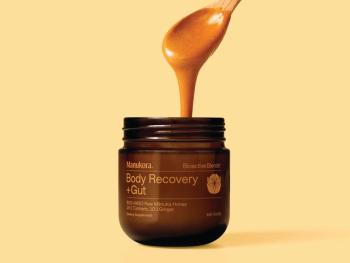
DolCas Biotech is featuring the turmeric-derived ingredient Curcugen in Mānukora’s Mānuka honey and Numin’s cognitive-support drink.
Does a California Supreme Court ruling give the green light to state lawsuits over organic claims?
Back in December, something pretty big happened in the organic-labeling world. In California, a private plaintiff had brought a class action lawsuit against HerbThyme Farms Inc., a U.S. grower of certified-organic and non-organic herbs. The lawsuit alleged that HerbThyme falsely advertised its products as organic when in fact they contained a mix of organic and non-organic herbs.
False-advertising lawsuits are by no means uncommon, but what is unusual in the HerbThyme case is that this case was brought at the state level, whereas regulations for organic claims are promulgated at the federal level by the U.S. Department of Agriculture. The issue in the HerbThyme case became: Does federal jurisdiction over organic-labeling rules preempt the right of states to sue under their own consumer-protection laws?
According to the California Supreme Court, they don’t. HerbThyme had argued that the plaintiff should have filed her grievance at the federal level since USDA’s National Organic Program (NOP) is a federal program. But on December 3, 2015, the
What does this ruling mean for consumers and for the organic industry at large? Maybe not much, according to the Organic Consumers Association (OCA; Finland, MN). In a January 5, 2016,
If there is a worst-case scenario, it would be if this ruling inspires a wave of frivolous class action lawsuits, the type brought by profiteering bounty hunters. One need only point to Proposition 65 regulations in California, bent under the never-ending weight of
There is also a best-case scenario, though, inferred from the words of Associate Justice Kathryn M. Werdegar, who wrote the Supreme Court’s opinion. In short, Werdegar said, giving consumers the right to bring lawsuits against those breaking organic-labeling laws only helps shore up faith in the organic system. “By all appearances, permitting state consumer fraud actions would advance, not impair, these goals,” she wrote, referring to the goals of the NOP, which include creating a consistent standard and level playing field for organic claims, and bolstering consumer confidence in the validity of organic claims overall.
“Substitution fraud, intentionally marketing products as organic that have been grown conventionally, undermines the assurances the USDA Organic label is intended to provide,” she wrote. “Conversely, the prosecution of such fraud, whether by public prosecutors where resources and state laws permit, or through civil suits by individuals or groups of consumers, can only serve to deter mislabeling and enhance consumer confidence.”
Will we end up with the best case, or the worst case? Only time will tell.
** Correction made 1/21/16 7:30 A.M. PST: An earlier version of this story contained an error. It stated, "What does this ruling mean for consumers and for the organic industry at large? Maybe not much, according to the Organic Trade Association (OTA; Washington, DC). OTA declined to comment for this story, but in a January 5, 2016,
Editor-in-Chief
Nutritional Outlook magazine
jennifer.grebow@ubm.com