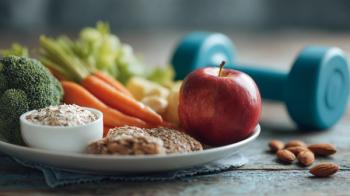
A look at the market data and functional ingredient innovations driving the next generation of nutrition bars.
Supermarkets can use specialized nutrition technology to make sure shoppers get personalized recommendations and special offers that match their health goals.
A decade ago, people who wanted to improve their diet would need to pay for the guidance of a professional nutritionist or a dedicated dietician. But recent technology advancements have opened up the world of personalized nutrition—and personalized nutrition has now gone mainstream. The specialist nutrition technology that is now available allows individuals to alter their diets and make healthier choices much more easily and cheaply than ever before. These benefits have never been more relevant: For instance, seven out of 10 UK adults want to make healthier lifestyle choices, particularly since the COVID-19 pandemic began, according to a survey commissioned by
Supermarkets can use specialized nutrition technology to make sure shoppers get personalized recommendations and special offers that match their health goals. The technology can identify and inspire healthier options for consumers and help them track their progress in real time.
One technology in particular works in a similar way to Spotify—but instead of learning which songs people like, the platform learns which foods people prefer. The more consumers use it, the faster the platform can learn from the interactions and offer more personalized experiences based on shoppers’ specific needs.
Recent
There is no such thing as a universally healthy diet, as people have unique requirements. Mainstreaming these technological advancements democratizes nutrition and gives shoppers support to match their individual nutritional needs.
AI not only simplifies consumers’ food searches but also makes search results more relevant and enables consumers to understand how to make healthier choices, driving lasting behavior change. One of the benefits of data-led nutrition is that it is scalable at speed, but it still needs a “human in the loop” to make it work.
In this case, that comes in the form of a nutritionist, who makes sure the AI adheres to the highest levels of accuracy and compliance with medical and dietetic guidelines, as well as local legislation. In this way, the AI model can be trained to make sure it complies with the latest advice.
Retailers who use this technology to offer personalization and gamification to their customers benefit, too. The platform not only offers a better experience for shoppers; it also leads to better conversion to sale, larger basket sizes, and increased brand loyalty.
The new developments in technology do not spell the end for conventional consultations with dieticians and nutritionists. A
Personalized nutrition platforms offer the chance to reach many more consumers and help them make healthy choices. They will not replace nutritionists, but they do offer a way to democratize nutrition and make sure a healthy lifestyle is available for everyone, not just those who are able to afford it.
Johanna Bolinder is the head of health and sustainability at
References