The randomized, double-blind placebo-controlled study found laboratory safety markers remained within normal ranges across treatment and placebo groups.
The clinical study compares four standardized ashwagandha extracts, revealing that compared to total withanolide levels, withanolide glycosides are significant in absorption.
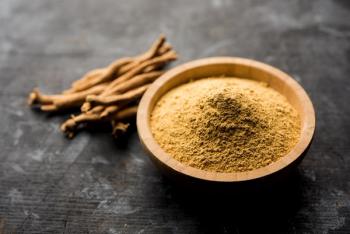
New research suggests that the type of withanolide in ashwagandha (Withania somnifera) extracts is more impactful than the total amount.
The study involved 16 healthy adult male participants under a fasting condition of a minimum of 10 hours, with each participant given one of the four strains in an oral dose. Each dose was standardized to contain 185 mg total withanolides. Plasma concentrations of various withanolide concentrations (withanolide A, withaferin A, withanoside IV, and total withanolides) were measured through 17 blood samples taken over a 24-hour period after the administration of the dose, and pharmacokinetic parameters were also evaluated. In this four-way crossover study, the participants were given each of the four extracts after a seven-day washout period.
The compositions of the extracts were:
Overall, the WS-35 extract was shown to have significantly more bioavailability compared to the others. It also had a longer half-life, extended mean residence time, and lower systemic clearance. “The enhanced bioavailability of WS-35 supports its preferential use in therapeutic applications and provides a strong rationale for further investigation into dose-response relationships and the long-term efficacy of standardized, high-bioavailability formulations,” the researchers concluded.
“Clinical data now confirm that withanolide glycosides stand out not just for quantity but for quality, with higher bioavailable than other withanolide types,” stated Benny Antony, PhD, joint managing director of Arjuna Natural, in a September 2, 2025, press release, which identified the WS-35 extract as Shoden by Arjuna. “Our findings suggest that the strength of ashwagandha is in its withanolide profile, specifically the chemical nature of the withanolides—and not their total amount. This plays a critical role in determining the uptake and metabolism of ashwagandha extracts in the body for optimal effect. This study emphasized the importance of extract composition and the plant parts used.”
The press release also noted that ashwagandha is known as a “rejuvenator” for its mental wellness and longevity support, as well as antioxidant and anti-inflammatory properties. Shoden, it added, is formulated in as low of a dose as 60 mg.
“These findings have major implications for both consumers and supplement manufacturers,” added Anthony. “As ashwagandha continues to gain popularity for its adaptogenic, cognitive, and stress-relieving benefits, the current research underscores the need for more detailed labeling and standardization that goes beyond total withanolide content. Future clinical studies and product formulations should consider the specific withanolide profile—particularly the presence of glycosides—to deliver ashwagandha extracts with maximum efficacy and consistency.”
In a study published in March 20252, 40 participants were given Arjuna’s ashwagandha formulation Somin-On, derived from Withania somnifera, at 250 mg daily, for 60 days. Results from the study showed an improvement in cognitive function compared with the placebo group.
The company will be exhibiting at Booth #H34 at Vitafoods Asia 2025 and at Booth #6517 at SupplySide West.
References